Why It Matters that 'The Roses' Is Not a Straight Remake
The creative choice that made all the difference.
The Roses
When screenwriter Tony McNamara was approached about Benedict Cumberbatch and Olivia Colman's desire to work together, the studio pitched The War of the Roses as potential material for a remake.
"I decided I didn't want to remake it, but I would reimagine it as, basically, a story about contemporary marriage," McNamara told RogerEbert.com.
It's an entirely different emotional foundation from the Danny DeVito original, which is focused more on the divorce than the relationship that came before. In that one, Michael Douglas and Kathleen Turner escalated their domestic disputes into warfare.
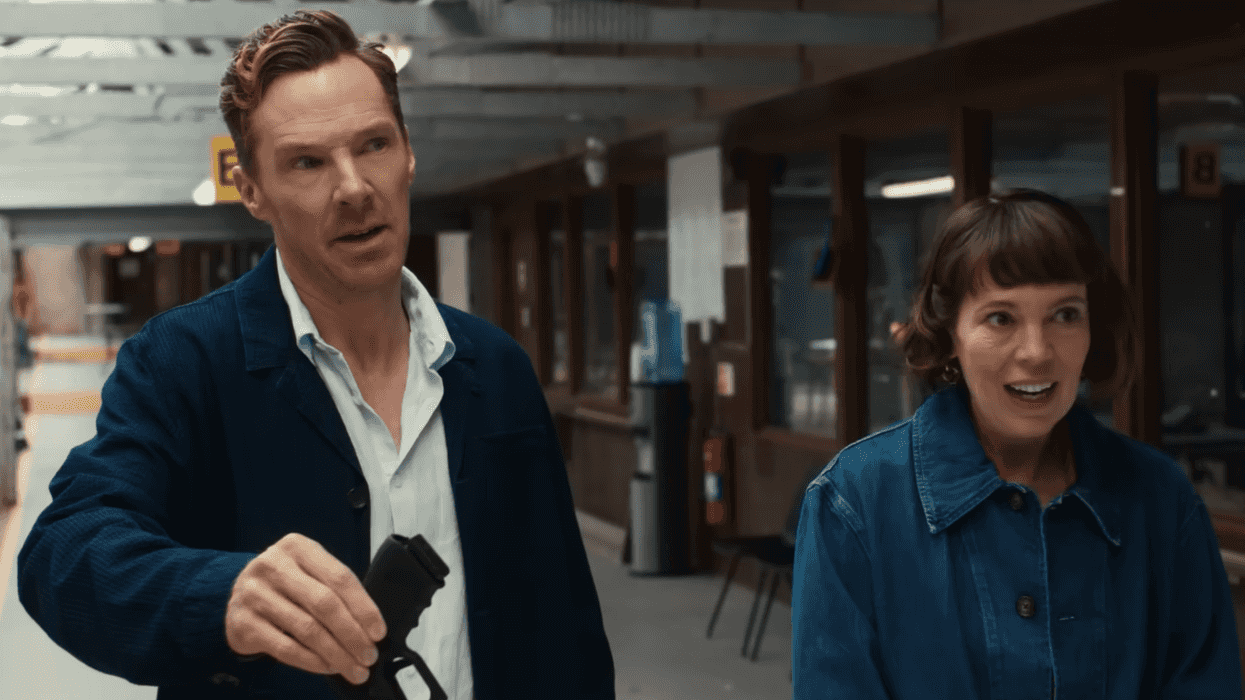
The shift from warfare to marriage counseling gives The Roses a fresh take. In the film, Ivy (Colman) and Theo Rose (Cumberbatch) are a successful chef and architect, respectively, who build a life together until it all goes south.
- YouTube www.youtube.com
"Instead of two people who want to rip each other apart, these are two people who are desperate to stay together, but just don't have the skill set to do it very well," McNamara said.
"The hope is kept alive till the very last second of the film," director Jay Roach told Newsweek, which creates fundamentally different stakes than DeVito's original.
I spoke to McNamara for Final Draft about this film and asked him about how he explored the characters' relationship throughout the story. He told me what mattered was that he understood where they were coming from.
"You're just watching people who are flawed trying to get something," he said. "Which we all are. I feel like you give them a bit of a pass on some of their behavior because of it."
He let the changes in how they view each other come through the dialogue.
"Their banter is rhythmically the same throughout the movie, but there's a lightness to it at the start and an ease, and then it gets tougher," he said. He added, "I'll change how they speak to each other. And the rhythm, it'll be similar. They'll banter, but it'll be crueler and a bit tougher. And then they'll lose it all together."
It's sophisticated writing, showing love eroding through language rather than simply starting with hatred.
The film finds an emotional core that speaks to contemporary audiences rather than just updating surface details. McNamara didn't just try to make it more modern. He approached it by posing the question, "What if you're watching two people who desperately want to stay married and can't work out how to do it? That would be a different kind of movie. That was the impetus to reimagine that story" (via Entertainment Weekly).
That's a fundamentally different creative process that can lead to more meaningful adaptations. And it could provide a model for other filmmakers tasked with remaking a classic. Start with what the story means to contemporary audiences, and go from there.