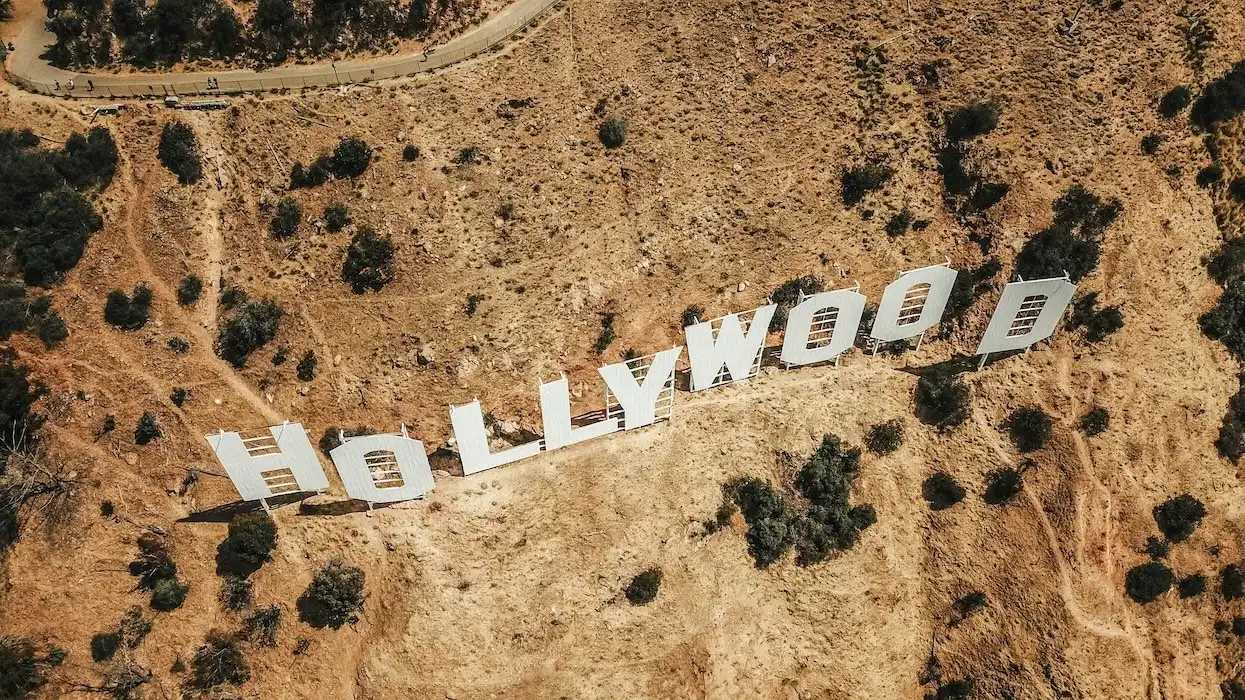
Are you sick of me saying that it's been a rough couple of years in Hollywood? Between the bursting of the streaming bubble, the historic WGA and SAG-AFTRA strikes, and the pull of global incentives... things are kind of bad.
We're in an era defined by consolidation, and it feels like studios and companies are disappearing left and right.
Hollywood has always been a place in Los Angeles, California, but with all these tumultuous events, people are starting to wonder if Hollywood is going to become more of an idea than anything else.
The Hollywood Reporter just ran an article that spotlights all of the things I mentioned, plus the flight to global production hubs like London, and the implications are huge for anyone trying to build a career outside the studio system.
Spoiler alert: Itm ight actually be a good time for people working in indies!
Let's dive into it and see what might be in store for the future.
Winning the AI Fight
The 2023 strikes were an existential battle over the soul of storytelling in Hollywood. Writers and actors sacrificed a ton to make sure the world was protected from AI and that their crafts were safeguarded for the future.
The major takeaway for every creator, be you in film, TV, or otherwise: The unions have established a critical legal and ethical precedent for you.
- AI is not a writer or an actor. The WGA secured language ensuring AI-generated material cannot be considered "literary material" or "source material" for a script. This protects the professional credit and compensation of human writers.
- Likeness Protection: SAG-AFTRA fought for extensive consent and compensation rules regarding the use of "digital replicas" of actors. The fear that studios could scan a background actor once and use their digital double indefinitely has been countered with new protections.
For No Film School readers, this is a mandate. Your value is in your humanity and the human stories you can tell.
If you want to break in or break out, the best way to do that is to capture other people's hearts and minds.
Don't let AI become a replacement; use it as a tool, but ensure the unique human voice drives the narrative.
 'Terminator 2' Credit: Tri-Star Pictures
The Great Contraction and the Runaway Effect
Here's where the THR article really worried me, as a resident of Los Angeles, I've seen how productions leaving this city has impacted us. We're seeing restaurants close, residents leave, and production houses box things up.
The term "Runaway Production" used to mean a show or film leaving Los Angeles for cheaper, incentive-rich US states. Now, it means a global scramble.
The Hollywood Reporter piece highlights hubs like London and the UK, which offer aggressive tax credits and increasingly robust infrastructure.
Even with Gavin Newsom's new regulations, California is still third in the US for incentives, and it can't get any of these productions that have already left to come back.
What does this mean for filmmakers like you and me?
- Job Competition: This global movement creates a robust talent pool in places like London, but it can also hollow out the mid-level infrastructure in traditional hubs like LA.
- A Focus on High-Concept, Low-Budget: When the big studios are contracting their output, they become risk-averse. This can create a vacuum, opening the door for smart, scrappy independent films that offer high-concept ideas without the massive budget baggage. If you can keep your costs low, you become inherently more attractive to distributors and smaller financiers.
 'Hot Fuzz' CREDIT: Studio Canal
The Indie Opportunity
I'm aware most of our readers are working on indies, and I do think there's real hope for them in the future. It might be time to make your breakout hit.
Instability is often fertile ground for those operating outside the traditional power structure. And things feel quite unstable right now.
The biggest challenge facing indies is the gap between massive blockbusters and low-budget films. You can't compete in the middle -- that's too much money.
But you can compete with the low-budget stuff that has great characters and storytelling.
Here are some ways to stand out:
- Location as Character: Set your story in a unique, accessible location that becomes a thematic element—a specific, forgotten corner of a city, a niche community, or a single, isolated house. This grounds the story, limits your budget, and creates a clear visual identity.
- Niche Audience First: Instead of aiming for everyone, aim for a passionate, small audience. If your film is for 'Horror Fans Who Love Folklore' or 'People Who Grew Up in Midwest Suburbia in the '90s,' your marketing becomes laser-focused.
- Self-Distribution is Viable: Services exist now that allow you to aggregate your film onto major VOD platforms (Apple TV, Amazon Prime Video) without a traditional distributor. You keep a higher percentage of the revenue and control the price.
- The Power of the Niche Streamer: Beyond Netflix and Amazon, niche platforms (like Shudder for horror, MUBI for arthouse, or even smaller, genre-specific services) are actively seeking content to fill out their libraries.
- Start the Buzz Early: Your marketing begins the day you announce the film, not the day it premieres. Use TikTok and Instagram to introduce your key creative team, showcase high-quality mood boards, or create short "proof of concept" clips to build an audience before the film is even finished.
 'I Really Love My Husband' CREDIT: SXSW
Summing It All Up
The studios are still figuring out how their worlds will move forward, but nothing should stop you from making your movie.
Take the time to really examine what you can bring to the table and lay out a plan. Now might be the best time for indie filmmakers to strike and show why they matter.
Let me know what you think in the comments.