YouTube Just Expanded Its AI Deepfake Protection to All of Hollywood
It's nice to have this tool in place to cover the encroachment on people's image rights.
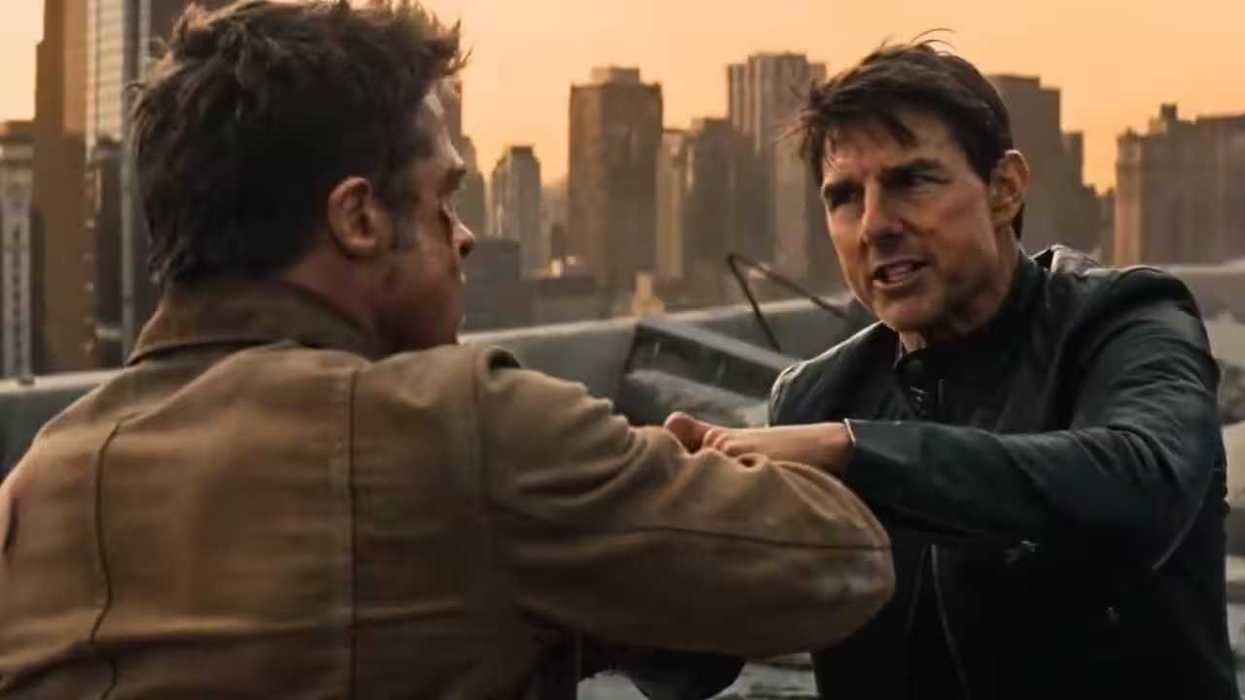
Tom Cruise vs. Brad Pitt Deepfakes
If you’ve spent any time on the internet lately, you’ve seen some AI-generated trailers. They pop up for movies that are trending, or fan edits, or just all over YouTube. But the thing is, these usually steal the likeness of actors without consent and often are messy with other copyrighted materials.
Up until now, the legal and technical landscape for protecting an actor's likeness from AI has been a bit of the Wild West. Laws and tech are changing at the same time, and sometimes it can feel like the tech is winning.
But YouTube is looking to change that.
According to a new report from The Hollywood Reporter, the platform is officially opening up its AI deepfake detection tool to the heavy hitters in Hollywood in order to make sure these fake trailers get flagged and taken down quickly.
Let's dive into it.
Content ID, But for Your Face
For years, YouTube’s Content ID system has been the gold standard (and sometimes the bane of creators' existence) for managing copyrighted music and video.
We've used it on our YouTube channel, and found that if you use a copyrighted song, the system flags it instantly. Now they're doing the same thing with human faces.
This is going to drastically stop deepfakes and hopefully discourage people from making fake things that infringe on other people's rights.
The new Likeness Detection Tool allows individuals, as well as their agents and managers, to identify AI-generated content that mimics their appearance.
If a match is found, the person whose likeness is being used can review the video and request a takedown if it violates YouTube’s privacy guidelines.
That's a simple and clean way to cover your own butt.
Why Is Hollywood Jumping in Now?
As generative AI becomes more sophisticated, the risk of "digital twins" being used in unauthorized commercial or entertainment content has skyrocketed.
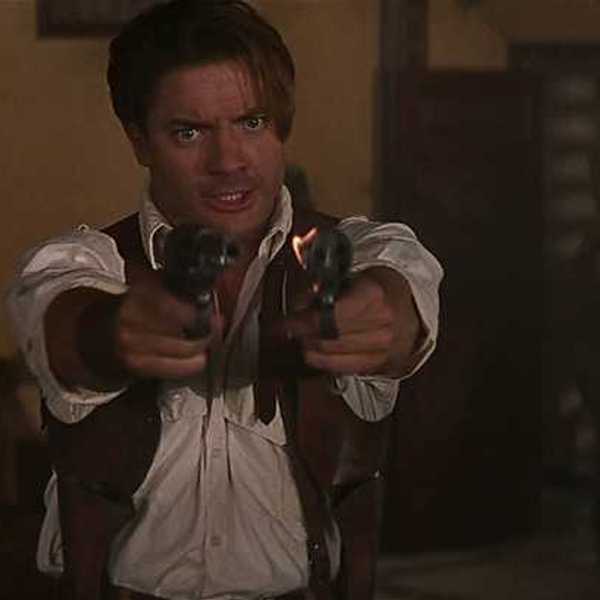
We're seeing it all over, whether it's the Tom Cruise and Brad Pitt fight or all the fake Avengers: Doomsday trailers.
The tool was perfected on a small pilot group of journalists and politicians. Now, YouTube is opening the doors to major talent agencies like CAA, UTA, and WME to protect their clients.
They enroll their clients' faces, and like fingerprints, they get tracked all over the platform.
For actors, this is about more than just privacy; it’s about protecting their brand and their livelihood.
And for the industry, it’s a necessary step toward establishing the "right of publicity" in the age of AI.
The Impact on Fan Content and Indie Creators
This is where things get tricky for the No Film School crowd. Many filmmakers use YouTube as a playground for fan films and parodies.
There's a fine line between stealing and homage.
So let's look at the good and bad of this new device:
- The Good News: YouTube has stated that detection doesn't automatically mean a video is removed. They are still trying to balance protection with free expression. Content that falls under parody, satire, or political commentary may still be allowed to stay up.
- The Bad News: The "takedown first, ask questions later" culture of Content ID might migrate over to likeness. If an agency decides they don't want a "deepfake fan trailer" of their client circulating, they now have a powerful tool to wipe it from the platform.
Privacy and the "No Training" Clause
Okay, so I have to admit, when I heard about this facial recognition software, I was a little shocked because it basically means handing your face over to big tech to scan and search.
One of the biggest fears for creators and actors is that by "verifying" their identity with a tech giant, they are inadvertently providing more data to train AI models.
But YouTube is explicitly addressing this to make people more comfortable.
In order to enroll, users have to verify their identity (often through a video selfie and ID), but the company maintains that this data is not used to train Google’s generative AI models (like Gemini or Veo). It is strictly for verification and detection.
That's good for everyone.
Summing It Up
This move signals a major shift in how platforms view AI. We are moving away from the era of "let's see what happens" and into the era of "rights management."
If you're planning on using AI to recreate an actor or a public figure in your next project, you might want to double-check those privacy guidelines and make sure you have consent and a contract.
Let me know what you think in the comments.