This 1957 War Masterpiece Is Still One of the Greatest Movies Ever Made
The Bridge on the River Kwai is a triumph of the human spirit and of filmmaking in general.
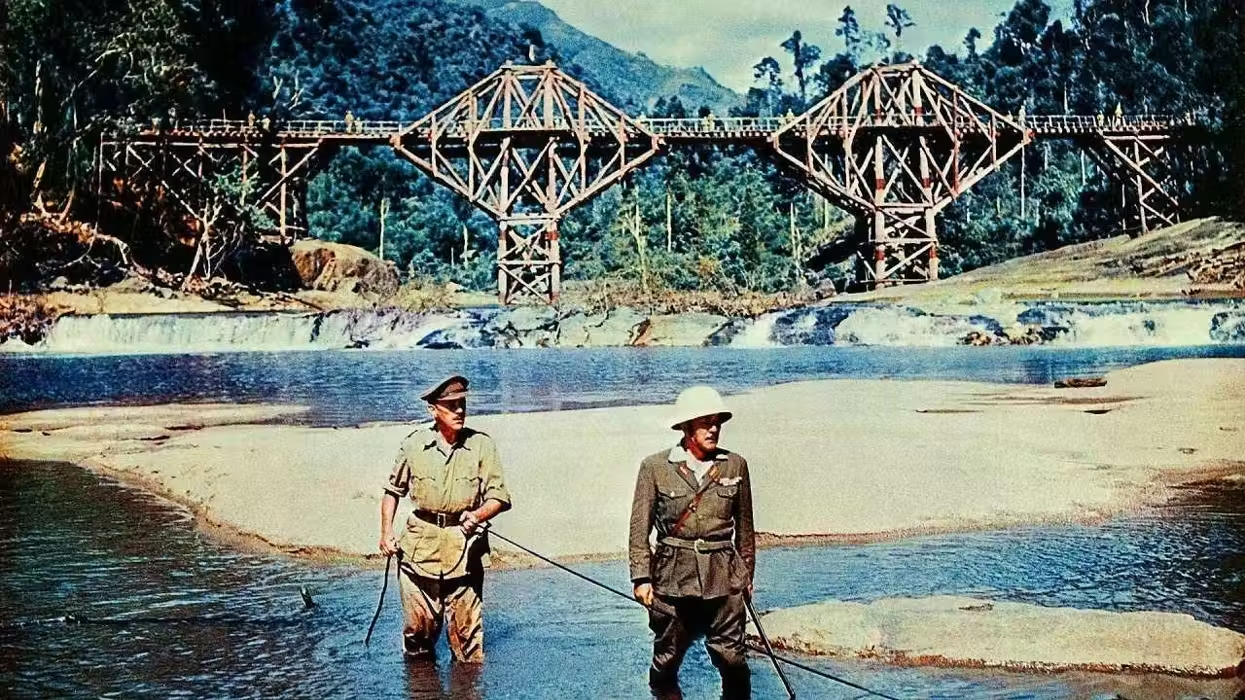
'The Bridge on the River Kwai'
I recently got a 4K Blu-ray player, so I have been revisiting a lot of the classics in order to see them in their best quality. I have to say, it's been really fun.
And one of the best-looking movies of all time is David Lean’s 1957 masterpiece, The Bridge on the River Kwai.
If you haven't seen it in a while, I encourage you to revisit it. For me, I had this nostalgia over the ending, but I forgot how human and just empathetic and engaging the rest of the movie was; it's all about the spirit of trying and fighting back. There's a reason it holds a permanent spot near the top of AFI and Sight & Sound lists.
Today, I want to go over some lessons I think filmmakers can glean from the movie and talk about why it's one of the greatest movies of all time.
Let's dive in.
- YouTubewww.youtube.com
1. The Anatomy of a Perfect Conflict
The Bridge on the River Kwai is a movie that follows British POWs forced by the Japanese army to build a railway bridge in the middle of the Burmese jungle.
It seemsl ike a simple movie with a bit of a time lock and a task we can track, but underneath is a ton of character development and character arcs.
A lesser script would make this a simple story of good guys versus bad guys.
But screenwriters (Carl Foreman and Michael Wilson, who had to go uncredited at the time due to the Hollywood blacklist) built a fascinating psychological triangle that works as the heart of the movie.
To me, this is what makes this movie a classic. We get characters in direct opposition who have unyielding worldviews in a pressure cooker, and we watch them clash.
- Colonel Nicholson (Alec Guinness): The rigid British officer who refuses to break under torture, but ends up obsessively building the perfect bridge for his captors just to prove British superiority over the Japanese. Yet in the end, his pride becomes his downfall.
- Colonel Saito (Sessue Hayakawa): The camp commander caught between his own strict code of honor and the brutal reality of a deadline he cannot miss for fear of losing the war.
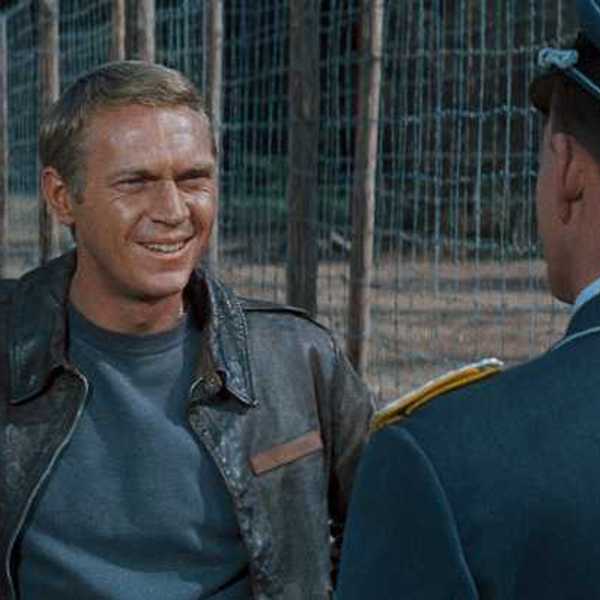
- Shears (William Holden): The cynical American escapee who represents the audience's point of view. He just wants to survive a war that everyone else is treating like a lethal game of chess.
2. Pure Visual Scale
So, there was no CGI back when this movie was made, so all of it had to be practical. And no one shoots practical with scope and scale like David Lean.
And for The Bridge Over the River Kwai, they actually built a bridge over the river and then blew it up.
God, I love classic movies.
Production built a massive, 400-foot-long wooden structure in Ceylon (now Sri Lanka) over the course of eight months. When the train plunges off the exploding tracks at the climax, that's a real train hitting real water.
They only had one shot to get it right.
Let me. tell you that the physical weight of that sequence hits harder than 90% of the digital explosions we see in theaters today because your brain registers the real physics of the crash.
Now, I know what you're thinking, and I bet your indie can't afford to blow up a bridge and a train. But you can maximize your practical elements.
Real environments force your actors to react naturally and ground your story in reality.
So go out and find them!
- YouTubewww.youtube.com
3. Mastering the Slow Burn
In modern movies, edits come so quick and so crazy. It's like this Tony Scott and TikTok influence where we're constantly jumping. But Kwai is nearly three hours long, and it never drags because the tension accumulates organically.
We get lots of long shots that endear us to the struggle of these men and the scope of what has to be done to win this war.
And...think about the final sequence by the river. The commando team has wired the bridge with explosives; the wire is exposed because the water level dropped overnight, and a train is barreling toward it.
In this sequence, we get some of the best editing you'll ever see in a movie.
Lean cuts between:
- Nicholson walking down the riverbed, following the wire.
- The hidden commandos sweating behind their detonators.
- The oncoming train getting closer and closer.
The scene relies entirely on geography and silence (save for the train whistle).
It's a textbook example of Alfred Hitchcock's definition of suspense: giving the audience information the characters don't have, and letting them squirm.
And we're squirming until the very last frame.
Summing It All Up
The Bridge on the River Kwai swept the Academy Awards, but I think the real coup is that it managed to be an intimate character study packaged within a giant, widescreen, blockbuster epic.
We just do not get movies like that anymore.
Let’s talk about it in the comments.