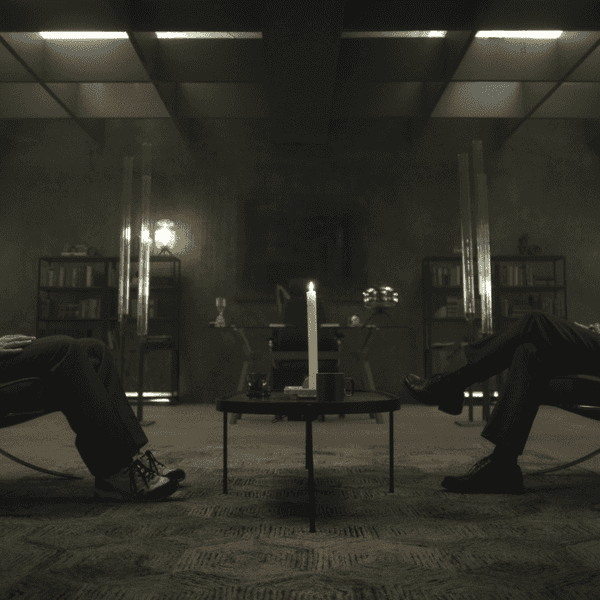
Language Of Movies: Why Our Brain Associates Blue Lighting With Cinematic Loneliness
How filmmakers use colors to express emotions.
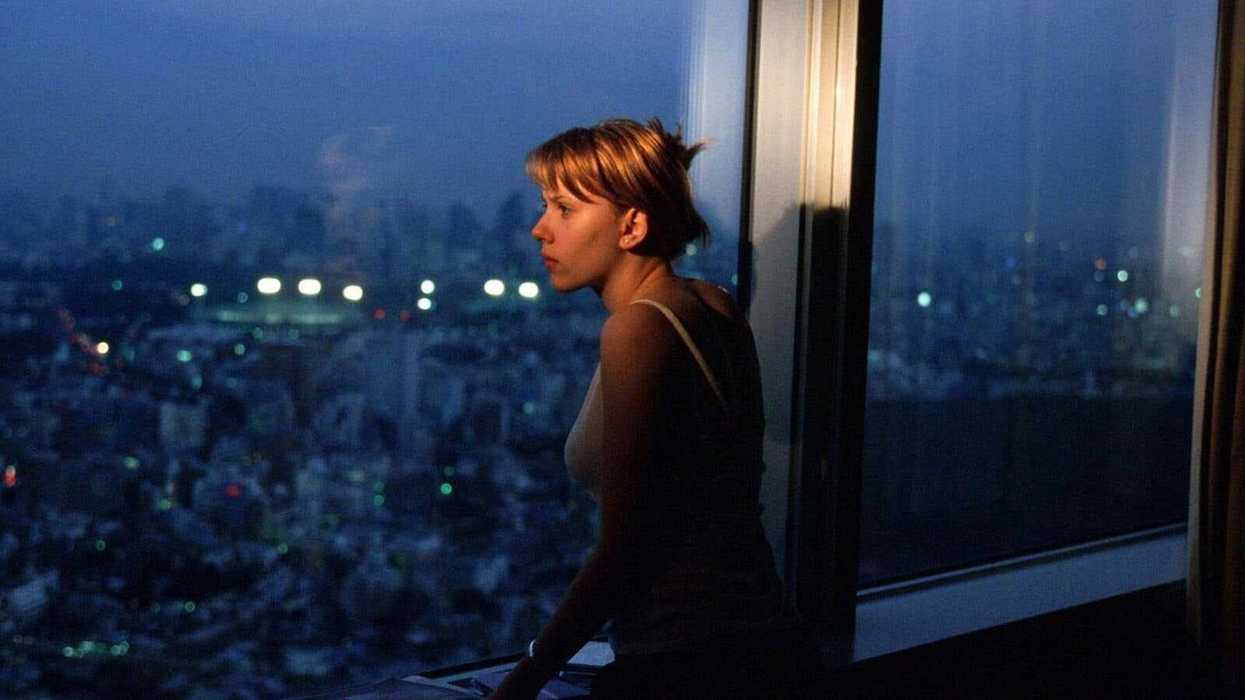
'Lost in Translation' (2003)
In the language of cinema, one of the most powerful yet subtle tools of conveying emotions is through carefully constructed lighting decisions. Our minds quietly perceive the color changes, and the filmmaker successfully conveys strong emotions simply through their choice of lighting color.
Few visual choices convey a sense of loneliness like the color blue. From the deep sense of isolation in Sophia Coppola’s Lost in Translation (2003) to the neon-soaked seclusion in Blade Runner 2049 (2017), these lighting decisions attempt to harness the color blue’s association with melancholy and separation.
Why does blue lighting feel so lonely on screen? What can we learn from how it's leveraged in movies?
Let’s jump right in and explore.
How Blue Lighting Evokes Loneliness On Screen
Before we explore how blue lighting creates a sense of loneliness, we must understand a simple fact that adding blue light directly suppresses the warmth from the scene. These two factors are scientifically inevitable and cannot happen without each other.
By removing the warmth from the scene, blue lighting makes spaces feel more emotionally withdrawn rather than inviting. It draws us further away from the characters and their world, separating them from their own surroundings and from us. Our minds, without our knowledge, associate specific colors with certain moods. The color blue is often associated with moonlight, overcast skies, and a sense of coldness. By deliberately invoking these colors in a movie, filmmakers can remind us about our inadvertent associations with such moods.
The absence of warmth can be used to mirror a character’s inner isolation. It heightens the melancholy and makes them feel unreachable. By depicting a character’s emotional state and bringing the audience on a similar emotional plane, blue lighting can help bridge the gap between viewers and on-screen characters.
In movies, empathy isn’t always built through dialogue; it can be created through an intricate construction of a scene where lighting plays a crucial role. Blue lighting establishes a character’s detachment and exemplifies their withdrawal from the world. It creates a distance between us and a character, but through our association with the color itself, it builds an empathetic connection that pulls us deeper into the filmmaker’s world.
Why Blue Lighting Is More About Absence Than Presence
Blue lighting in cinema is more about what is absent rather than present, and the explanation for this is rooted in our deepest understanding of color. Warm colors such as red, orange, and yellow mirror the energy of fire and sunlight. They constantly remind us of vitality, emotional connection, and power.
By removing these elements, filmmakers can create an “energy void.” This leaves characters withdrawn from the bright and energetic facets of life, and it can deepen the focus on their isolation and loneliness. This subtraction of warm colors can make audiences yearn for warmth, heat, and energy, which only amplifies the feeling of detachment and loss.
Blue lighting creates feelings of loneliness not from what’s shown, but from what’s withheld. The color blue becomes a silent subtraction from the warmth and normalcy of everyday life, distancing us from characters and solidifying their seclusion. Rooms are soaked in withdrawal, streets feel uninhabited, and characters appear deserted from regular life. The effect is subtle yet monumental in its creation of powerful associations between our minds and what the filmmaker is trying to convey.
Blue lighting is a conscious absence-driven approach; its usage does this without additional effort, simply due to the properties of the color blue. Science and psychology team up with filmmaking to enhance the emotional impact of on-screen visuals and deepen the scope of cinematic worlds.
Blue Vs Red: How Color Drives Emotion
Now that we’ve discussed how the color blue can be used to create a sense of isolation and withdrawal, let’s understand how it differs from the color red on film.
Presence vs Absence
Blue lighting subtracts everything red lighting emphasizes. The warmth that is removed from a blue-lit scene is exaggerated in scenes that are lit with red lighting. Interestingly, red overuses the idea of warmth, making it feel more like danger or even terror.
Perception
Blue may create feelings of withdrawal and seclusion, but it does so quietly. Red lighting evokes urgency, passion, and danger, all of which are easier to perceive on the surface level. Blue lighting goes a lot deeper. It works on a more subconscious level. Like red is associated with danger, blue’s associations with isolation and seclusion are more subtle and internal. With blue lighting, audiences may feel certain emotions that they aren’t capable of dissecting very easily. With red lighting, the emotional response is typically a lot more direct and immediate.
Tension
Red lighting drives high-arousal emotions such as excitement, anger, or threat, which can quickly raise the story’s stakes and amplify the tension. Blue lighting supports more low-arousal emotions such as melancholy, loneliness, or quiet contemplation. While red lighting can alert the viewer and create a sense of urgency, blue lighting can draw them into a cinematic world without aggression or immediacy.
Symbols
Symbols often contradict each other, but in the case of red and blue, there’s likely more of a consensus on what they mean. Red draws primal associations such as sunlight, fire, and blood, which are linked to danger, power, romance, and even the force of life. The color blue is associated with moonlight, a calm sky, deep oceans, and water.
Inwards vs Outwards
Red lighting heightens our alertness and creates an immediate response towards what’s on screen. This response is typically generated outwardly, maybe towards a specific scene or a situation that needs our attention. Blue lighting slows down our outward reactions and deepens our inward thinking. It encourages emotional introspection and gradually draws us into a world that feels distant and unlike that of our own.
Summing It Up
In the language of movies, blue lighting remains one of the most eloquently charming expressions of loneliness, solitude, and withdrawal. Its effects are gradual but deeply rooted in a human being’s perception of colors; the parts they are aware of and the parts they aren’t.
What is a movie that used blue lighting very well? Tell us in the comments below.
- What You Need to Know about Lighting in Small Spaces ›
- Learn How to Light Like Wes Anderson's Go-To DP, Robert Yeoman ›
- What is “Netflix Lighting” and Why Do Streaming Shows Look the Way They Do? ›
- What Can Filmmakers Learn from Caravaggio, the Master of Light? ›
- Thoughts on Lighting & Shooting Interviews from a 40 Year Industry ... ›
- Recreating the Shot: a Lesson in Lighting Through 'Blade Runner' ›