What is “Netflix Lighting” and Why Do Streaming Shows Look the Way They Do?
A new video essay explores why Netflix shows look the way that they do, and why it might be spelling out the death of cinematography as we know it.
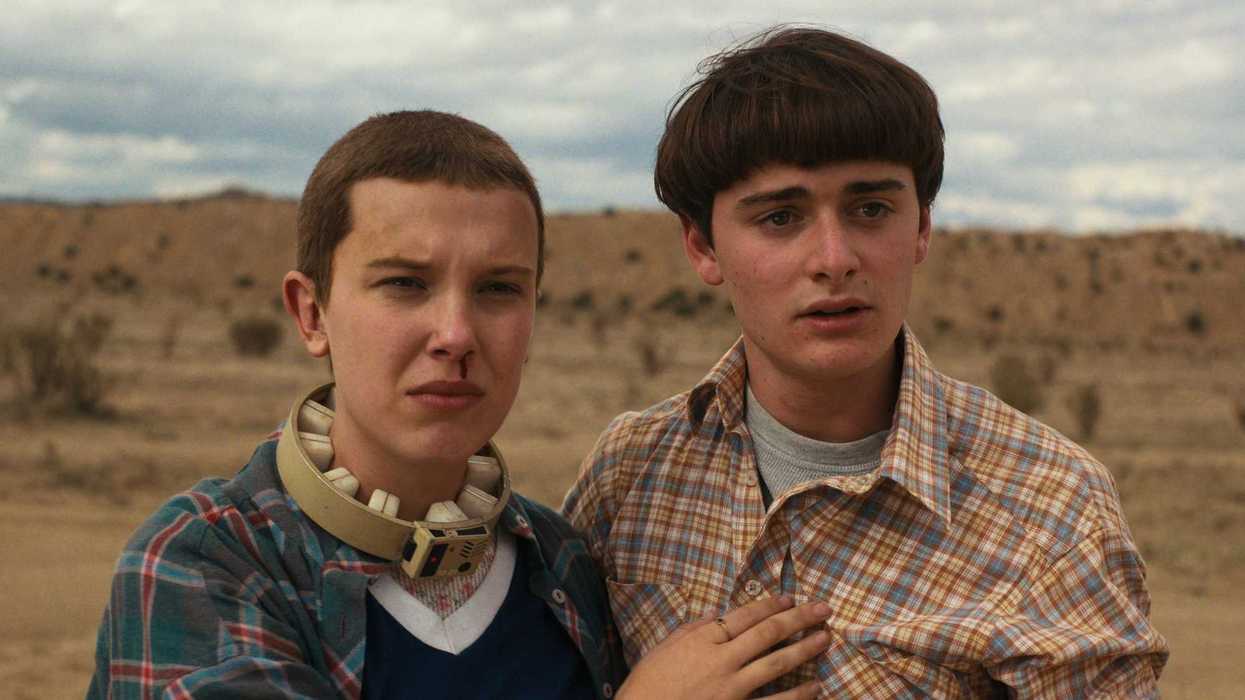
'Stranger Things'
If you’re one of the millions of Americans tuning in to watch the new Stranger Things episodes on Netflix here over the Thanksgiving holiday weekend, you might be cringing a bit if you have even a little bit of background in filmmaking and cinematography.
These Netflix shows, with examples like Stranger Things perhaps being the most egregious, all have a certain look to them. Sometimes it can be hard to describe, or even put your finger on, why these shows look the way that they do. Yet, something certainly feels off.
Well, the explanation for what is going on is nicely presented in a new video essay that explores this trend of “Netflix Lighting” and what it could mean for the future of streaming cinematography.
What is Netflix Lighting?
So, as you can see in the video essay above by YouTuber Robert Tolppi, this “Netflix Lighting" isn’t a sudden change, but rather a slow shift in how productions have started to approach cinematography in today’s digital age. High-end digital cameras have brought us cleaner sensors, broader dynamic range, and the ability to expose deep into shadows without losing detail.
However, studio-scale streaming production has ramped up at a pace that demands consistency across dozens of shows and hundreds of shooting days. This is where lighting styles built around eliminating risk, rather than artistic detail, come in.
Shadow detail is lifted, contrast is softened, and exposure becomes uniform across the frame. It’s the kind of lighting that ensures everything is visible and deliverable, but very little is expressive. When cinematographers aim for a perfectly even image, they often lose the texture and dimensionality that made older films and shows so distinctive.
Lighting Can be More Than a Technical Choice
The core argument of the video is that this shift isn’t just aesthetic—it’s narrative. Lighting is an important part of storytelling, as it shapes how we read a character’s inner life, understand space, and anticipate tone.
Classical cinematography knew this and often relied on contrast, shadow, and motivated light sources to convey meaning. Modern streaming aesthetics usually downplays those tools in favor of a clean, neutral look.
When everything is lit evenly, scenes rarely carry a visual arc. You can see it too. Characters don’t move in and out of light with intention, and locations don’t feel like the natural sources within them define them.
Instead, rooms appear evenly exposed regardless of time of day or narrative tension. The result is a kind of dramatic flatness that can undercut the story’s emotional weight.
The Rise in Streaming Conformity
Outside of the examples shared in the video essay, it’s easy to find films and shows on streaming platforms (most notably Netflix, perhaps) that demonstrate the real production pressures behind these new lighting styles and trends.
Large-scale shows can often rely on rapid schedules, multi-camera setups, and extensive VFX pipelines that benefit from uniform lighting. So, accordingly, when you have multiple units shooting simultaneously or scenes designed to interface with virtual environments, consistency becomes a priority.
Streaming platforms also impose strict quality-control requirements to avoid noise, color shifts, and compression artifacts — problems that often appear first in dark, contrast-heavy images. To avoid rejections or costly fixes, productions often choose to play it safe with brighter, flatter exposures.
How Indie Filmmakers Can Use These Trends
If these “Netflix Lighting” trends continue, they paint a dim picture for our future in film and television, but perhaps not for our own filmmaking endeavors. If anything, these trends are shaping cinematic lighting to be one of the last places where young filmmakers can make their films stand out from the mundaneness.
Lighting gear can be expensive on high-end productions, but indie and DIY lighting gear is also becoming more affordable and easier to use. Here are some helpful resources to check out that can give you insights into mastering lighting for your projects.
- What Is Practical Lighting in Film and TV?
- 8 Lighting Techniques That Will Help You Achieve a 'Cinematic Look'
- Learn 4 Different Types of Light and How to Use Them in Your Films
For all you aspiring filmmakers experimenting in shorts, music videos, or low-budget features, this can honestly be a great opportunity (as well as, perhaps, a warning). You don’t need expensive gear or studio crews to leverage light. All you really need is a critical eye and the desire to go for something more.
- Why David Fincher's 'Mindhunter' DP Believes 'There Are No Rules' in Lighting ›
- How the 'Ozark' DP Created a ‘Gritty, Authentic Vibe’ with Consistent Color Temps and Practical Lighting ›
- Netflix 'Glow' DP on 'Embracing the Imperfection' of '80s-Style Cinematography ›
- 'House of Cards' DP Reveals the Camera & Lighting Techniques of the Popular Netflix Series ›
- Why Netflix’s 'Kate' Is Proof the Low-Light LED Revolution Is Here to Stay ›
- What a Working DP Is Actually Thinking on Set ›
- Why Your Lighting Looks "Fine" (And How to Fix It) ›
- Why Does Modern TV Look So Flat? ›
- The Ultimate Guide to Netflix Original Movies ›
- This Is the Beginner Lighting Crash Course You Need ›
- This Clever “Covered Wagon” Light Can Bring Some Innovative Flexibility to Your Shoots ›