What's the Point of Yearly "Worst Of" Lists?
The industry is already hard enough.
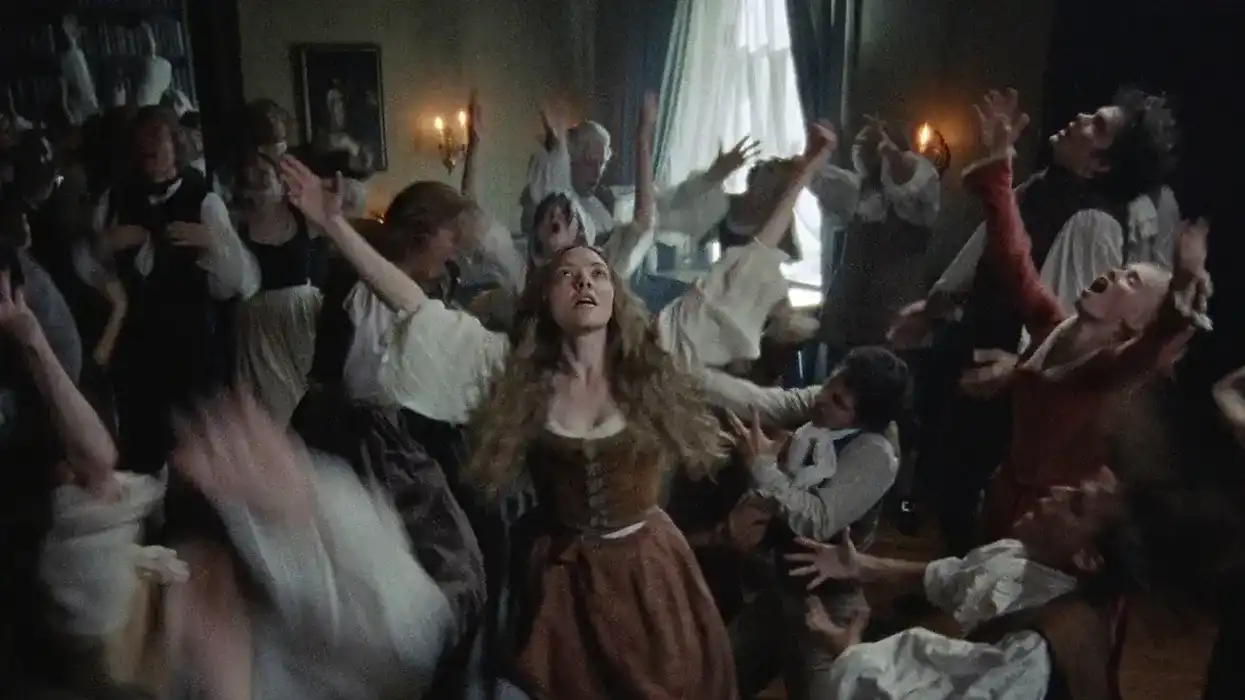
The Testament of Ann Lee
Opinions are like... well, you know the expression. Everyone has them.
Variety just released a list of the worst movies of the year from critics Owen Gleiberman and Peter Debruge, and the reactions to their takes have largely been negative, not just for the movies they picked but for the cynicism and spitefulness with which they critique the films.
Right at the top, they make a promise. "Every godawful movie carries with it a kind of lesson, a litany of cinematic sins to be avoided."
Great. So what are those lessons?
We read through both critics' lists, 10 films dissected for their failures, and came away with almost nothing we could apply to our own work. This style of criticism offers virtually no educational value while openly purporting to do so.
So what's the point?
- YouTubewww.youtube.com
Variety's Worst Movies of 2025
Here are the films from Variety's worst movies list:
Owen Gleiberman's 5 Worst:
- Eden
- Five Nights at Freddy's 2
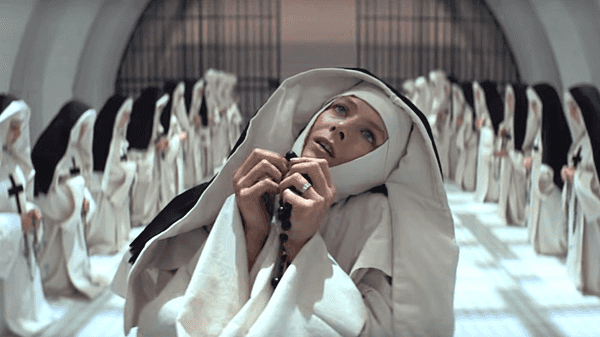
- The Testament of Ann Lee
- Hurry Up Tomorrow
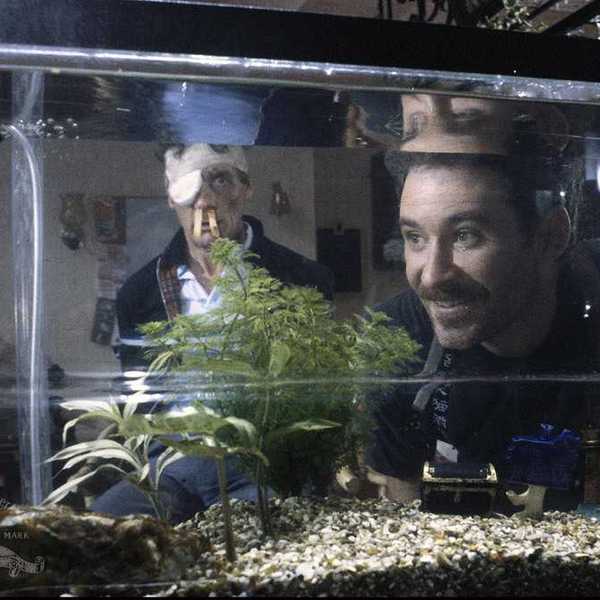
- Anemone
Peter Debruge's 5 Worst:
- The Life of Chuck
- The Electric State
- War of the Worlds
- The Actor
- Presence
Dishonorable Mention:
- Snow White
Is There Anything to Learn Here?
I first caught wind of this list because a fellow writer, Joe Russo, posted a plea to stop doing these worst-of rankings. (He's not the Joe Russo of Marvel or The Electric State, although his posts are often quoted as such in other outlets; journalists, I beg you to fact-check your social media sources.)
And we would tend to agree with him over here at NFS. A list like this doesn't add much to the filmmaking industry or the field of film criticism.
First, it's completely subjective, so a lot of people are going to disagree with you (and actively are in response to this piece). Redditors are calling it ragebait meant to garner clicks, which I guess worked because here we are talking about it.
It feels purely negative for negativity's sake, and what's the value in that?
And look, sometimes movies are bad from a technical or writing perspective, and sometimes you can learn from how bad they are.
But back to that subjectivity. Sometimes "bad" is fun. The folks over at RedLetter Media have built an entire media channel on the concept of watching and commenting on "bad" movies. They try to understand why filmmakers make certain choices and often end up pitching suggestions for making things better. Sometimes they end up loving the "bad" movies purely on their charm.
There's also the fact that sometimes a movie just isn't made for you. That doesn't mean you should automatically slap a "worst" label on it. For example, Five Nights at Freddy's 2 has a clear target audience, and those fans have shown up in droves for the film. And a lot of people have really loved Ann Lee, which has received mostly favorable reviews that praise its visual ambition.
The Impact of Negativity
We've seen this kind of backlash play out even more dramatically with the Golden Raspberry Awards, better known as the Razzies. They were created in 1981 as a counterpoint to the Oscars, meant to celebrate the year's worst films.
But recently, the Razzies have faced repeated controversies that forced them to rescind awards and apologize. In 2022, they created a special category called "Worst Performance by Bruce Willis in a 2021 Movie" after Willis appeared in eight films that year. Days after giving him the award for Cosmic Sin, Willis' family announced he was retiring from acting due to an aphasia diagnosis (a neurological condition affecting his cognitive abilities and communication). The Razzies rescinded the award.
Then, in 2023, they nominated 12-year-old Ryan Kiera Armstrong for Worst Actress for her role in Firestarter. The backlash was swift.
Fellow child actors spoke out about the potential harm. Jake Lloyd, who was nominated as an 11-year-old for Star Wars: The Phantom Menace, later said the bullying he received prompted him to leave acting entirely. The Razzies apologized and implemented a new rule barring anyone under 18 from nominations.
You could argue the same pattern of negativity without substance shows up on Variety's list.
The Missing "Why"
Critics often get to write from a perspective of "above it all." They're not in the trenches of the industry trying to get projects off the ground, usually. I don't know if a lot of them have to shake hands with the filmmakers they loftily dress down like this.
There have been movies I quietly didn't love, especially in the indie space. And then I go to a festival like SXSW or AFF and run into the filmmaker, who is usually someone really nice and grounded and just doing their best. Sometimes their film is something they scraped together with minimal resources. It puts things into perspective, you know? We're all trying really hard, at all levels.
A lot of what's on this list consists of colorful insults dressed up as criticism, seemingly meant to display the critics' wit more than substantive commentary on the films themselves. It ends up feeling like they're punching down when there are other films with bigger budgets and bigger flaws that might be better placed on a ranking like this, if we had to have one. (Why are we picking on Anemone?)
This is not to say you have to like every film or even be kind to every film. Have your opinions.
The problem here is the mean-spiritedness along with the missing "why." If you're reading these kinds of pieces hoping to learn something, you're left guessing at what actually went wrong.
Take Gleiberman's criticism of Five Nights at Freddy's 2. He calls it "a slasher film without blood, scares or tension" with "so much convoluted backstory that the ghosts get left on the back burner." Okay, that's actually pointing at some structural problems.
However. FNAF 2 is not a slasher film. It's based on a survival-horror video game about animatronic mascots that come to life, and is more of a supernatural mystery. Calling it a slasher is Gleiberman misidentifying the genre and then criticizing it for not being something it never tried to be. It's like complaining that a romcom doesn't have enough car chases.
Useful film criticism examines structure, discusses how specific choices serve (or don't serve) the story, and analyzes the gap between intention and execution. It helps you understand not just that something failed, but why it failed and what you might do differently.
We don't think this kind of negativity is needed at all. But if you write something like this, please don't dress it up as a class on avoiding "cinematic sins."