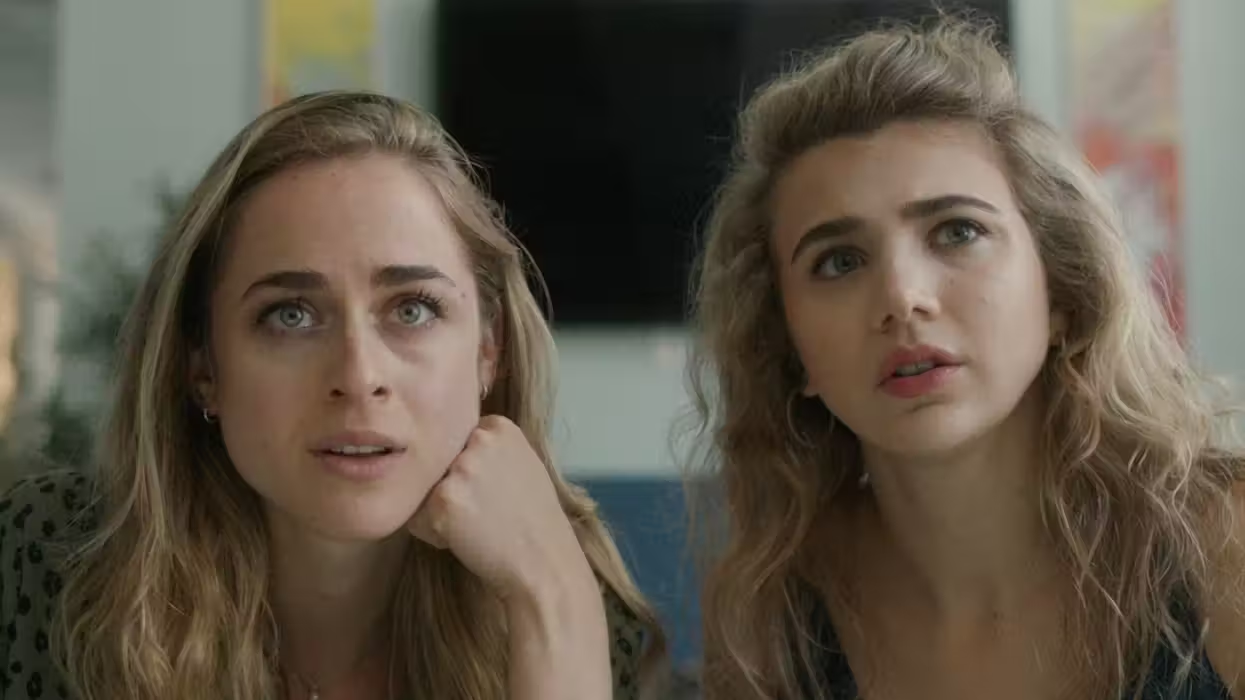
Filmmakers Delilah Napier and Lucy Powers once went on the same first date. They both downloaded Hinge in 2021 and ended up on the same date with the same man, four days apart. Plenty of people would file that under “nightmare date stories” and move on. But because they’re filmmakers, they decided to use it.
Floating Carousel, which the duo co-wrote, co-directed, and star in, is a dark comedy about dating in New York after the pandemic. Its ensemble includes a gender studies grad student, a professional cuddler, and a sugar baby who won't call herself one, and it includes Jessica Hecht, Dylan Baker, and Catherine Curtin in the cast.
The film world premiered at the Woodstock Film Festival last October, where it won the fest's Ultra Indie award. It opened in New York theaters this month.
Napier and Powers were theater studies majors, and their first feature, Voyeur, was their senior thesis, made with $4,000 in student grants. Powers told us they're "definitely the definition of No Film School because we did not go to film school."
Floating Carousel is a much bigger swing, with a sprawling cast, a long list of New York locations, and a 21-day shoot on an indie budget. The pair served as their own location managers and called in every favor they could. We talked with them about building an ensemble from index cards, writing around locations they couldn't get, co-directing while acting in the same scene, and what they'd tell their younger selves about making movies on next to nothing.
- YouTube www.youtube.com
No Film School: I know that you had these real-life bad dates, and that's your way in, but how did you approach it from a writing perspective? How'd you develop the story, and what does it look like when you work together?
Delilah Napier: I think we started with, we had a bunch of index cards, and we had stories, we had the characters, and then we had experiences and events that we wanted in the film. And one of them being the Shanay date, which we knew was going to happen to those two main characters. And then we had the failed threesome, the kicking scene. With those, I think the failed threesome was always going to be the gender study student, but with the kicking scene, you're like, "Who does that happen to?"
So it started with all these index cards, and then the order happened with the first part: [part] one is one long night and had those longer scenes. And then part two picks up with the Shanay date.
Lucy Powers: And then we started having fun about how the characters could come back and each be seen a second or third time. Even with the man who does the kicking scene, we first had him just be a lawyer or something like that. And then we were like, "Oh, well, what if he's a newscaster, and he is the newscaster at the end?" So it's fun to bring everything full circle.
NFS: How do you approach building your characters?
Powers: A lot were based on - especially Delilah and my characters- were based on our own experiences, and so it took from that a slice-of-life version of them. And then I think a lot of others were either stories we'd heard, or the cuddler was things that were in the news at the time. Articles, yeah. And this interesting idea of transactional intimacy.
So we were circling around that idea of that and the carousel of relationships all going nowhere. And then we were building, and once we had that theme, it was just anecdotes that we could pile on top of each other to build the characters.
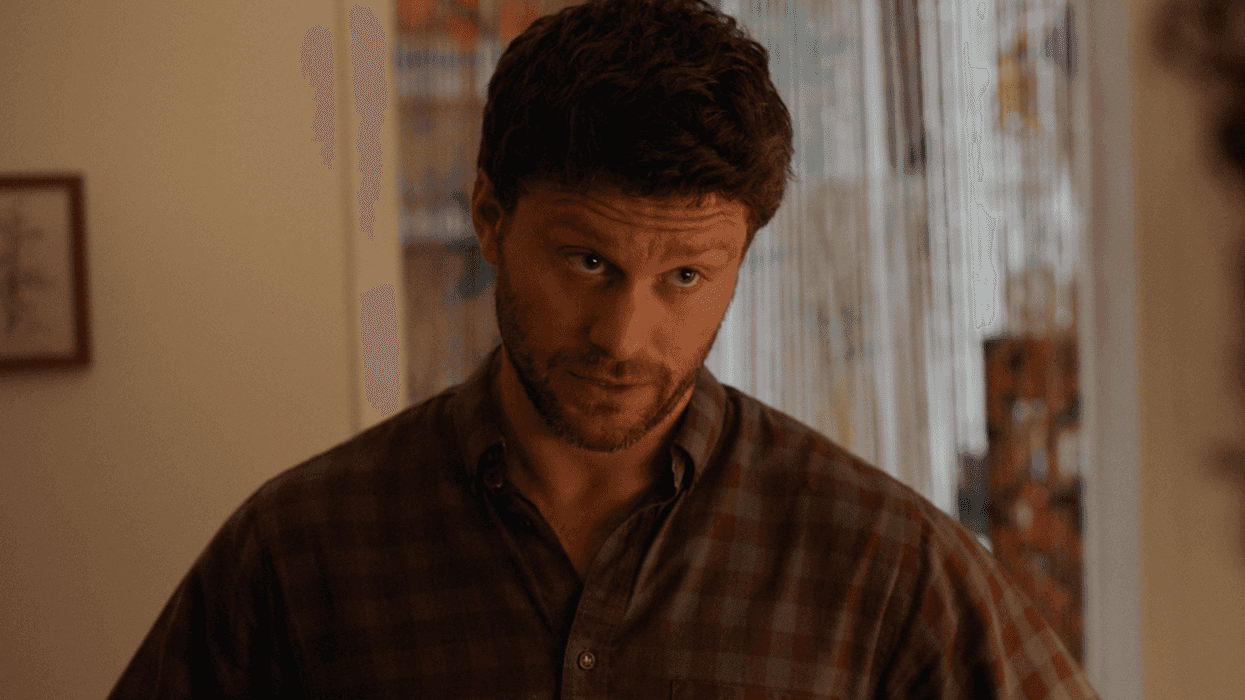
Napier: And we always knew we were going to get a little more surreal in part three and part four, and with the end at an imagined blue zone facility where people can go to heal and literally quite step off the carousel.
 'Floating Carousel' Credit: Drama House Pictures and Best Dressed Films
NFS: Talking about it from an indie perspective, you have a lot of locations, you have a lot of characters. Shooting in New York is not easy. How did you approach locking down your locations and getting all your spaces?
Napier: We were the location managers, and we knew that we would not shoot this film for the budget we wanted to shoot it for if we were not our own location managers, just because even our line producer encouraged us to hire a location manager for a week, and they were just like, "Oh, you can get this lab for $10,000."
It's like, "Well, no, we can't."
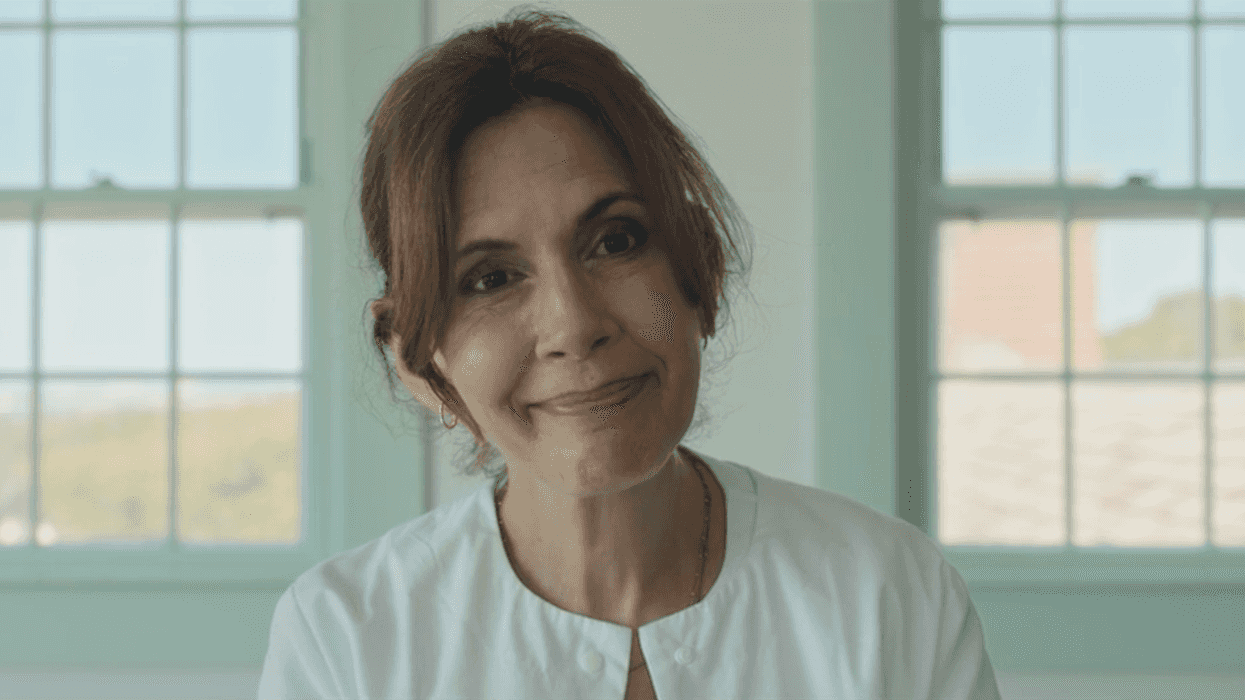
So that's when we're hitting up our friend who was getting a PhD in bio at Columbia [University]. "Can we shoot at the lab?" And basically shooting in the lab at Columbia for free. Literally asking every favor.
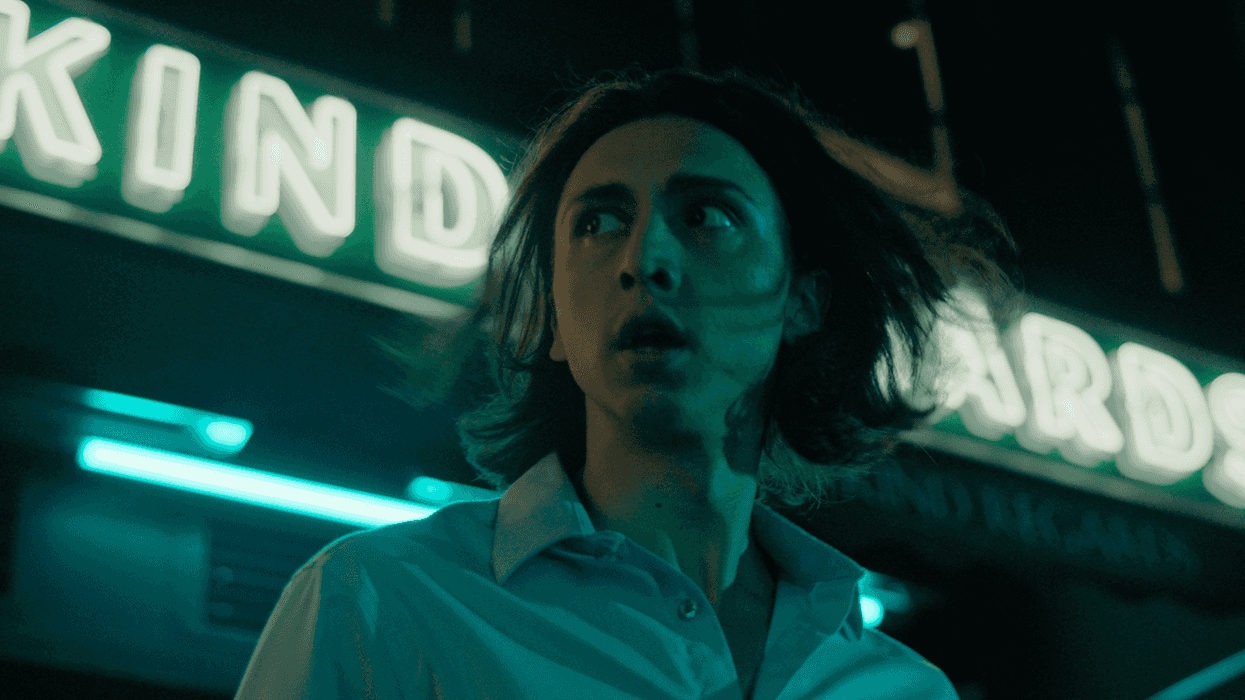
Our friend owned Kind Regards, and we made him an associate producer on the project, so we were just paying staffing fees. Yeah, it was exhausting. And another exhausting thing about that is when you're relying on favors, it also, they can fall through last minute, which would happen. So we ended up having to rent a few apartments on Peerspace, but ultimately we really were trying to find every favor we could for locations.
Powers: We walked around New York City one day and just went into bookstores until we found Dashwood Books. And we thought that Housing Works, the places like that, might actually be open to a few thousand, but Taylor Swift had just shot a music video in there, so they were like—
Napier: $35,000.
Powers: Yeah, they were like $35,000 for the day. We're like, "No, that's half of our budget." Or it felt like it. So it was just finding the person who thought that an indie film sounded exciting and up their alley and trying not to make them never want to host an indie film after we shot there.
 'Floating Carousel' Credit: Drama House Pictures and Best Dressed Films
NFS: Was there anything that you had to write around? Did you have to take characters out or change locations?
Powers: We did have a character. Mark Gladner- we originally had that as a character in the movie that we shot, the pilot, Jake Gyllenhaal's pilot. But then that wasn't location-specific because we did shoot the scene, but it was just that one long night; it was a morning scene, and we didn't need to see the morning; we just wanted to go to the friends at the picnic. So it was things like that where you just realize you don't need moments.
Napier: Yeah, the newscasters. We used to have a scene in a news studio, and then our DP was like, "Oh, it would be so much cheaper," because we were debating if we should cut that or cut the club scene. She's like, "No, you need the club scene. Just let's put the newscaster out on the street and get animation at the end to make it look like a news channel." And I actually much prefer that and how he gets to just interview Joey on the street.
Powers: And Washington Square Park was the only place we couldn't get a permit for, as you can imagine. But there's a rule that as long as you don't put sticks down, as long as you don't put your tripod down on the park, you can shoot it from the outside, which is why we have that long tracking shot. And I like what it looks like.
NFS: Yeah, it looks great.
Powers: So you just have to be creative, but sometimes it can ultimately be good. You don't need five different angles of that scene. If it works, it works.
NFS: You've obviously worked together several times already, and you've been in your stuff, and you've written and directed. How do you find that balance when you're both in a scene and then you're also directing?
Napier: It's always great when one of us is behind the camera, and the other one can act, or if we're both behind the camera. And then it's a little bit challenging when we're both in the same scene, but ultimately we'll look at the setup, and we trust our DP and AD. And we only look at playback if we really feel like we don't have a sense of what the frame was. And usually if something feels good, we feel like, okay.
And then there would be moments in that break-in scene with Shany where you would still be delivering lines, but watching the other person on the monitor.
Powers: I think having written the script together definitely helps because by the time you get to being on set, you know what you imagined in your head. The both of us know what we imagine the rhythm of the scene to be. So I know I think that definitely makes it easier.
NFS: How many days did you have on this?
Napier: 21.
NFS: That's not too bad. Did you ever feel like you were rushing?
Napier: Always.
NFS: Yeah, it's so hard.
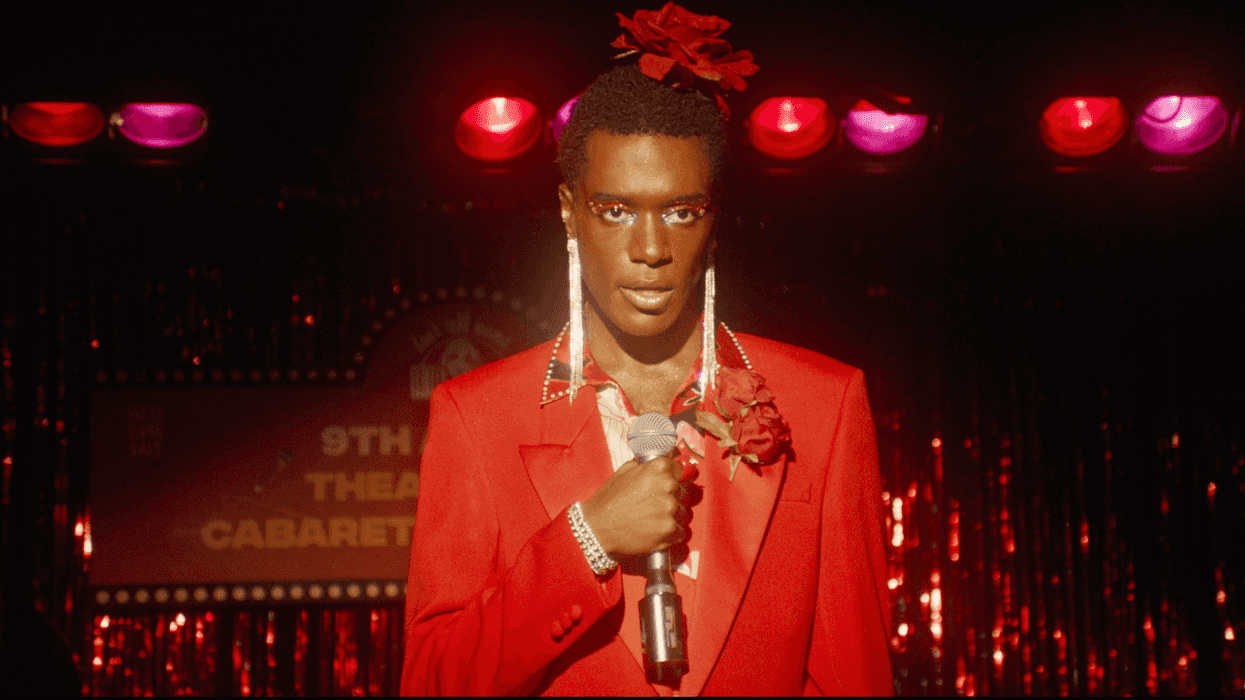
Powers: Especially because there were some night shoots, it was summer, and so you don't realize there's actually not that much nighttime in the summer. The sun's coming up at 5:30, or it feels like that. You're like, "Wait a second, we're not done."
Napier: No matter the size of the film, I feel like there always feels like a rush. It takes so long, hours before you get to first shot. Once you get that first shot up, I think it moves, but it's always that. It's like, your call's at nine, and it's 11. It's like, "What is happening? Why aren't we shooting?"
 'Floating Carousel' Credit: Drama House Pictures and Best Dressed Films
NFS: Have you found that there are things that help you when you're directing together?
Napier: Oh, definitely. It's so great to have two eyes, especially in the director's edit. Just having someone you trust to bounce ideas off of is so useful.
Powers: This is just our way of doing it, but I feel like after a shot, usually we'll talk to each other and then one person will go and speak to the actors to be the joint voice. So it feels like it's not everyone's getting different opinions. So I feel like having just a unified way and not letting ego get in the way, I think we do at this point pretty well with that.
NFS: I'm sure it helps also with both of you acting, being able to talk to other actors.
Napier: I feel like with acting, it's just have fun. As long as the actor's having fun, it's probably somewhat interesting. As long as you're just giving them an environment where they feel free to play.
Powers: I know. I never understood situations where the director's known as being really mean to the actors, and that could only hurt someone's performance; it's the most stressful thing ever.
I think making it feel safe for people to play and giving people things to do, an actor a thing to do in a scene is always fun. Whether it's, I don't know, they're eating something, or they're just occupied, how we are in real life, always playing with things.
 'Floating Carousel' Credit: Drama House Pictures and Best Dressed Films
NFS: Your first film, Voyeur, I checked out today. Is there anything that you would tell your younger selves now?
Powers: I mean, definitely slate every scene. Even just clap. But no, we're definitely the definition of "No Film School," because we did not go to film school. We made that for our thesis for $4,000 of student grants and just learned.
Napier: We're theater majors, theater studies majors. I feel like making Voyeur for $4,000 gave us the confidence to make Floating Carousel on a UPA budget. It taught us to just do it. Maybe [we would] have invested more money in sound right off the bat, but we also didn't have money. Because I feel like the sound mix of Voyeur could have been better for sure.
Powers: Totally. But when you haven't made anything yet, you can't really go to people and be like, "Put thousands of dollars into my sound mix," because they don't know that you can deliver. Whereas we were at least able to have Voyeur as an example of our work for the next one.
NFS: Is there anything else you want to mention about this film?
Powers: I love that we've been able to have a theatrical release for the film. Seeing it in the theater is always what we imagined, and it's been so fun to have people come and talk about it. And I think just keeping indie film in cinema is important, and I'm so glad that we've been able to do that with our film.