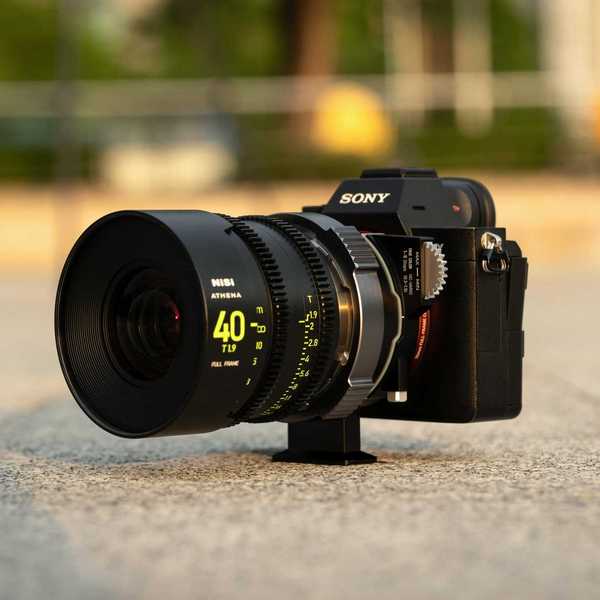
How to Run a Camera Test (and Why Pros Never Skip Them)
Should you?
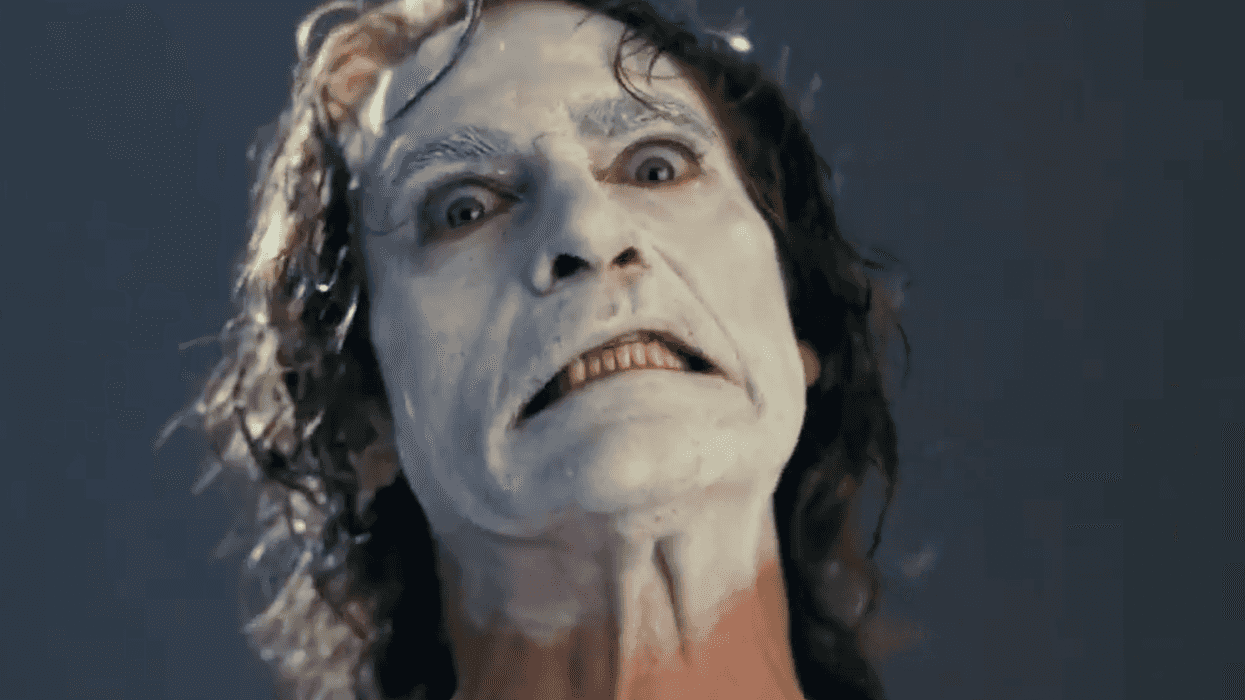
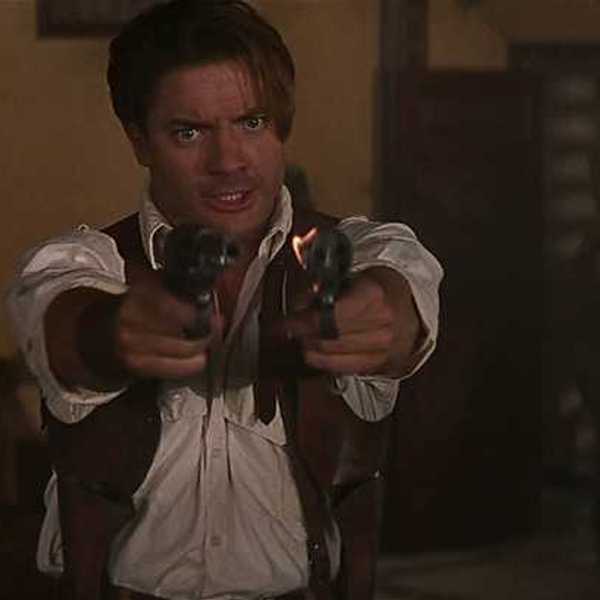
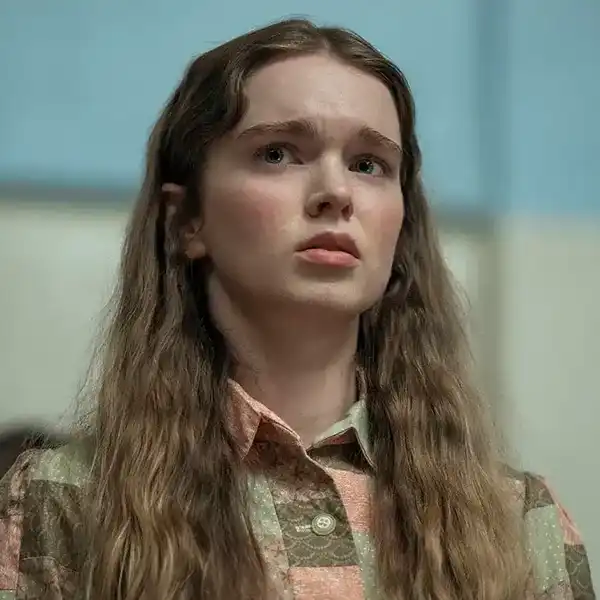
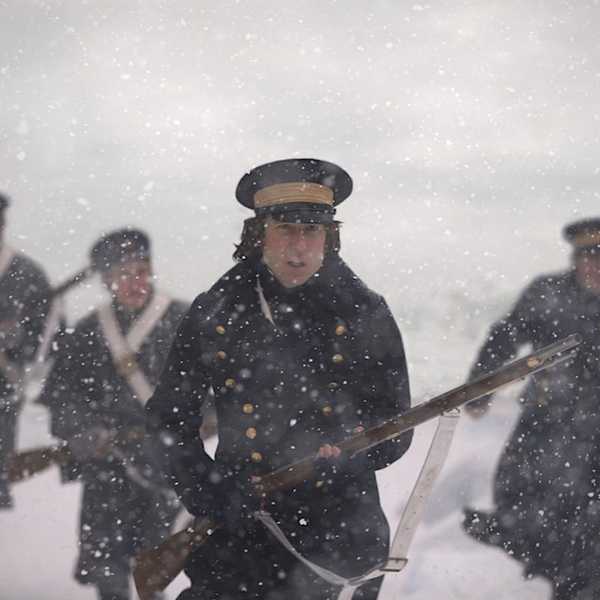
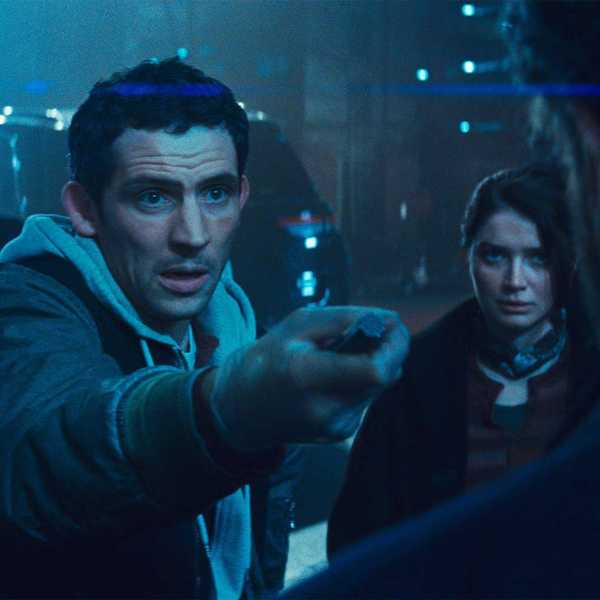
Joaquin Phoenix screen test for 'Joker'
There is so much to think about when you're prepping a film. You have to do the obvious things, like cast your roles, list your shots, and find and lock your locations.
Camera tests rarely make the list on an indie. They sound technical, maybe a little boring, and like something only studio productions can afford. On many productions, though, they should be non-negotiable.
Cape Town-based DP Gray Kotzé, who runs the educational YouTube channel In Depth Cine and has been nominated for a SATFA for Best Cinematography, breaks down camera tests in a video. We'll cover what camera tests are, why the pros swear by them, and how to run one on an indie budget.
- YouTube www.youtube.com
What Is a Camera Test?
You already know where a movie starts. A writer creates a world, and it's up to the director and cinematographer to capture it. If you talk about a creepy old school, how do you convey that it's creepy and old? How do you capture it with lenses and cameras?
"Camera tests are the foundation of a smooth production," Kotzé says. "They represent the transition from abstract ideas in a script to the tangible reality of the screen."
The term gets thrown around loosely, though. Plenty of indie crews think they've "tested" because they powered everything on at the rental house. A gear test is not a camera test. That's a different job with a different goal.
"A camera test is a creative exploration. It involves shooting clips on digital or film cameras to evaluate how different combinations of tools translate to a specific look."
By the time you're holding a camera test, you likely have cast your lead roles. What you're testing is how those actors will look in your project, in something close to character. Sometimes you're testing hair and makeup at the same time. Sometimes you're seeing your actors in full character for the first time.
But more than anything, you're testing your tools.
Kotzé says, "This may involve experimentation with different lenses and filters, comparing the sharpness of modern glass against the character of vintage lenses, or seeing how different diffusion filters affect the highlights. Or testing different cameras and film stocks to evaluate dynamic range, color reproduction, noise, or the grain structure of various film stocks."
Lighting is also often tested in these settings.
In contrast, the gear test is more last-minute. You will build out your camera package, confirm that each lens is calibrated, and check for issues. The gaffer might power the lights, and the grip makes sure every piece of kit is there and working.
"In short, the camera test, which is done in pre-production, is to creatively explore and select the equipment which will create the desired look; while the gear check, which is done immediately prior to shooting, makes sure the equipment which will be used is in working order."
One test answers, "What should this movie look like and how do we get there?" The other answers, "Does our stuff work?" You need both
- YouTube www.youtube.com
Why Testing Saves Time, Money, and Your Vision
Testing can feel like a luxury, especially when your budget is already stretched. Why spend a day shooting footage no one will ever see?
Kotzé says there are several reasons to do it anyway.
First, the whole tradition comes from the film era, when DPs couldn't see a high-definition image instantly on set. You shot, you waited for the lab, and you hoped. Modern monitors give immediate feedback, but Kotzé says testing still matters just as much.
Second, how well do you know your gear? Have you ever used it before? If the answer is no, you need to test.
"If you have never used a Low Con filter or a set of Cooke Speed Panchros, you cannot truly know how they will behave in your specific environment until you see the footage."
Even if you consider yourself a veteran and you've shot with certain gear before, a refresher couldn't hurt.
"Technology moves fast. New sensors, lenses, and filters are released constantly. Even the most experienced DPs need to test new equipment to understand the nuances of a camera's built-in gimbal, how a probe lens works, or the flare characteristics of a newly released lens set."
Additionally, why wouldn't you want to figure out how to get your film's look before you show up? Preparation is always going to feel better than winging it.
"Every project is a unique story with a unique director. A visual style that worked for a gritty crime drama will not necessarily suit a whimsical romantic comedy. Testing allows you to find a specific visual language catered to the script."
And finally, beyond saving yourself some potential stress, you'll put yourself in a better position with your budget.
"On a film set, time is often the most expensive resource. Every minute spent debating a filter choice or wondering how a specific lens reacts to a light is a minute taken away from the actors and the story."
How to Run a Camera Test
On larger jobs, work with the production company to write a test day into the rental agreement. Kotzé says production will often supply a skeleton crew, like a focus puller. On indie jobs, call in a favor.
"If you are working on a smaller indie project, leverage your relationship with a gear rental house. If you have a good relationship with them, many rental houses will be happy to let you test equipment in-house for free if you ask nicely and the gear is available."
Know the gear well enough to know what you want from it.
"Don't go into a test trying to look at every lens in the building. Identify the gear you are interested in beforehand, either from experience or by seeking out gear tests online."
Don't come up with a creative concept on the day of your test. You need to know that beforehand.
As you're testing, keep track. Put the lens, stop, filters, and camera settings on the slate for every take. Otherwise, you won't remember which clip came from which setup when you review.
- Four Camera Brands Are Put to the Test—Which Is the Best for Filmmakers? ›
- Curious About the Nexus G1? Here’s Your Official First Look at Its Cinematic Capabilities ›
- Prepping 'Sinners': Ryan Coogler’s Camera and Makeup Test Secrets for Filmmakers ›
- The First Camera Tests for the Sony FX5 Are Out and They Are Looking Very Awesome ›