Rotten Tomatoes’ list of the 200 Best Horror Movies of All Time compiles some of the most iconic, well-regarded entries in the genre. The Top 50 alone includes Bride of Frankenstein, Jaws, Psycho, Halloween, Rosemary’s Baby, The Silence of the Lambs, A Nightmare on Elm Street, and many more. However, one of their number - 1932’s Freaks - has never been seen in full by modern viewers.
What Is Freaks?
No matter what form it takes, Freaks boasts an impressive reputation. The movie, which has a Certified Fresh 95% score that lands it at No. 36 on the all-time list (sandwiched between George Romero’s Night of the Living Dead and James Whale’s The Invisible Man), was director Tod Browning’s follow-up horror feature after helming the seminal Universal Monsters hit Dracula, which debuted in 1931.
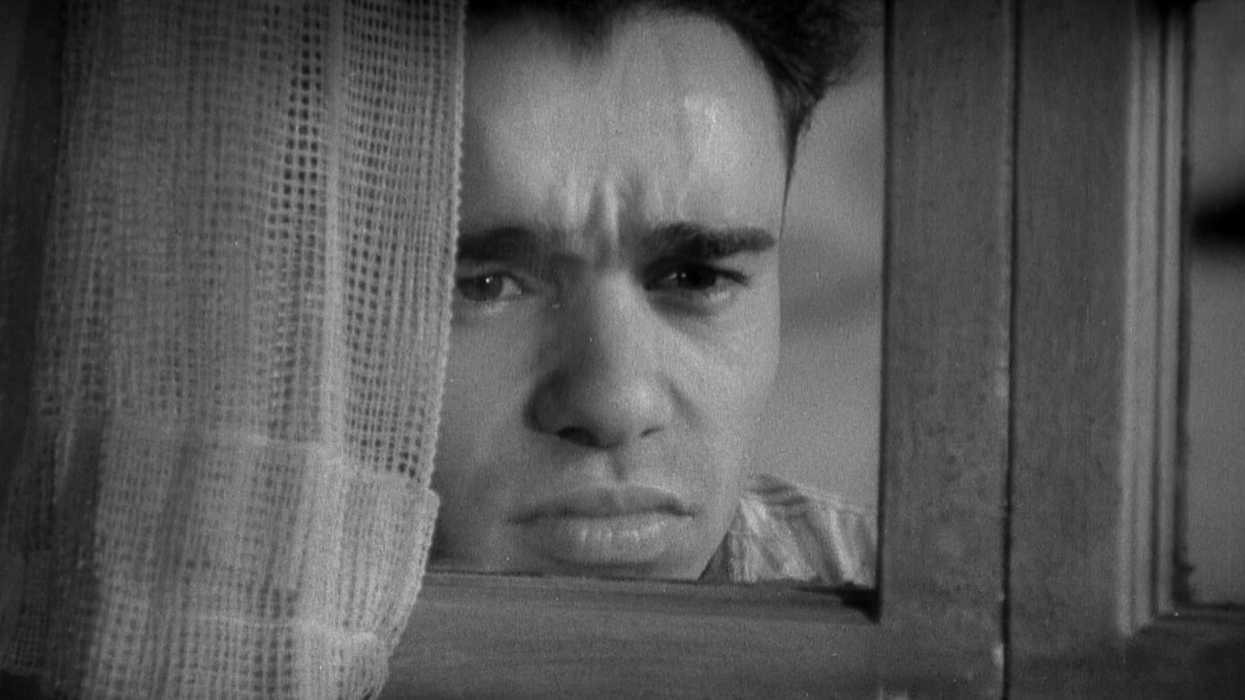
Based on the Tod Robbins short story “Spurs,” Freaks follows the lives of a group of carnival performers. More melodrama than out-and-out horror film in its current incarnation, the main thrust of the ensemble feature is trapeze artist Cleopatra (Olga Baclanova) worming her way into the affections of little person Hans (Harry Earles, who previously worked with Browning in 1925’s The Unholy Three and is the person who suggested that the director adapt “Spurs” in the first place) so she can marry him and then murder him for his massive inheritance.
Despite being welcomed by the other performers from the carnival’s freak show (please note that we will be using the term “freak show” to describe the carnival show as presented within the movie, with no intention of wielding it as a pejorative against the disabled characters or the disabled actors portraying them), Cleopatra’s shocking betrayal of their community causes the group to seek violent revenge in the film’s bravura closing sequence. To some degree, Freaks does use the physical conditions of its characters (which also include a pair of conjoined twins played by Daisy and Violet Hilton and a bearded lady played by Olga Roderick) to shock and titillate the audience of the 1930s. However, the movie is ultimately a trenchant exploration of the way society treats those with physical differences as monstrous and disposable, made all the more powerful by Daisy Earles’ emotionally charged performance as Hans’ fiancée, Frieda.
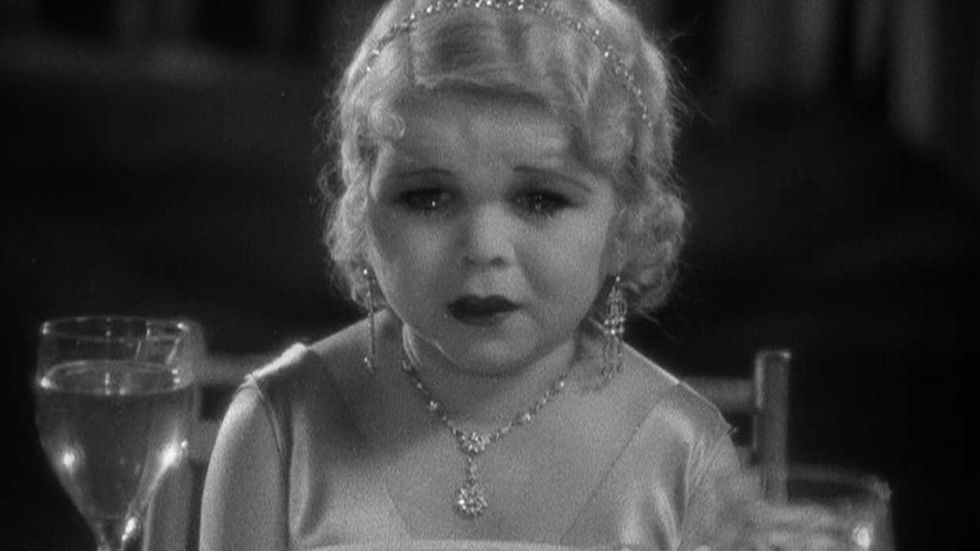 ‘Freaks’ (1932)Credit: Metro-Goldwyn-Mayer
Freaks Caused a Major Stir
Whether or not Freaks is a truly sensitive depiction of the disabled community is up to the individual viewer to interpret, but the casual on-screen depiction of the lives of freak show performers was deeply shocking to mainstream cinema audiences in the early 1930s. Attendees of early test screenings of the movie described them as absolute pandemonium. The screenings were beset with walkouts and complaints. This included an incident where a woman claimed that she had a miscarriage because of the movie, though it is very possible that this was a false assertion, as it was brought up as part of a potential lawsuit against MGM that she never actually went through with filing.
The studio took swift action in the wake of these catastrophic early reactions. Producer Irving Thalberg oversaw a new cut of Freaks that was put together without Tod Browning’s consent. This involved the removal of roughly 30 minutes of footage, which included scenes of Cleopatra’s strongman accomplice Hercules (Henry Victor) being castrated and a great deal of footage of the freak show performers’ final confrontation with Cleopatra. The movie was also given a new prologue and a different epilogue. The final product ended up with a run time of 64 minutes, which was a significant reduction from the original 90.
While the original cut of the movie was screened for the public at San Diego’s Fox Theatre, it has since been lost to time, with the 64-minute cut being the only version of Freaks that has survived. It is unknown exactly when the original Freaks was screened either privately or publicly for the final time, but considering the fact that its only run in any theater took place nearly a century ago, almost no person alive has even had the opportunity to see Browning’s original vision for the movie. In fact, at this point, it’s entirely possible that the last people to have seen it died decades ago.
Is Freaks Still Freaks?
The fact remains that the available version is a bowdlerized cut that does not reflect Tod Browning’s original vision, raising the question as to whether anyone from the mid-1930s onward can consider themselves to have truly watched Freaks.
This taps into a few much bigger questions: What even is a movie in the first place? For instance, what is Blade Runner? Is it the first version that screened for theatrical audiences or the director’s cut? And who is the author of a film? Filmmaking requires a massive team of people, including a director, a cinematographer, producers, writers, costumers, production designers, and so on. So, even if Tod Browning would have preferred us to see Freaks in another way, who’s to say that his word is law?
Regardless of the answers to those questions, we have been robbed of about a third of the run time of one of the most essential early entries in American horror cinema. However, what remains is still immensely potent.
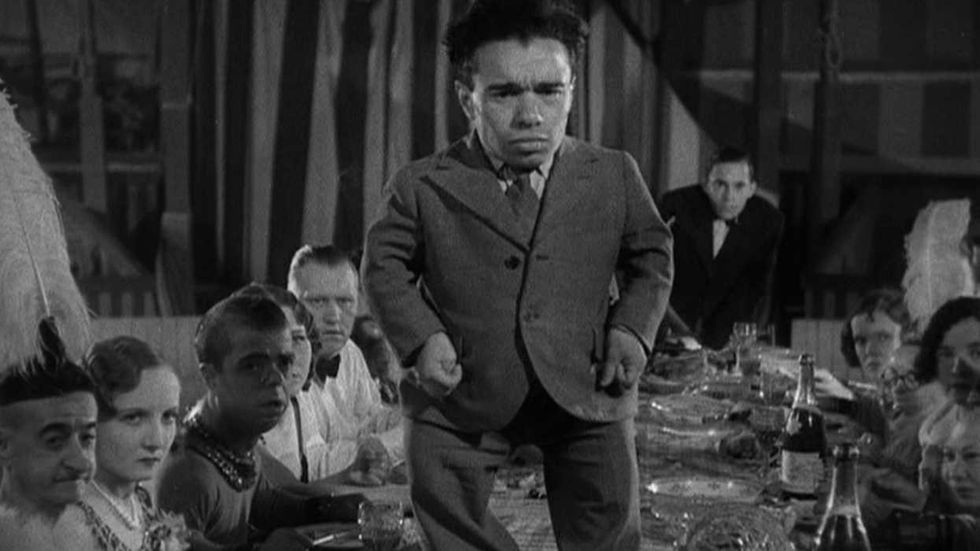 ‘Freaks’ (1932)Credit: Metro-Goldwyn-Mayer
It is undeniable that Freaks tells a powerful story, in either version. The same movie that provoked such extreme revulsion in the 1930s is just as capable of provoking almost unbearable empathy within modern viewers, which is one reason why it still enjoys such a sterling reputation.
We’ll probably never know how much better the original cut was, if it was indeed better at all. However, if the footage that was lopped off the end of the movie was as well-conceived and affecting as the surviving footage, it very well could have landed even higher on Rotten Tomatoes’ all-time list, potentially even eclipsing Browning’s own Dracula, which enjoys a position at No. 30.
So, have you had the opportunity to see Freaks yet? Or rather, what’s left of it? If so, do you think it would have been better with the original scenes kept in, or does it still stand on its own as a horror classic?