Greig Fraser's 5 Rules for Aspiring DPs
Oscar-winning DP Greig Fraser sat down with Kevin McCarthy.
'Road to Perdition'
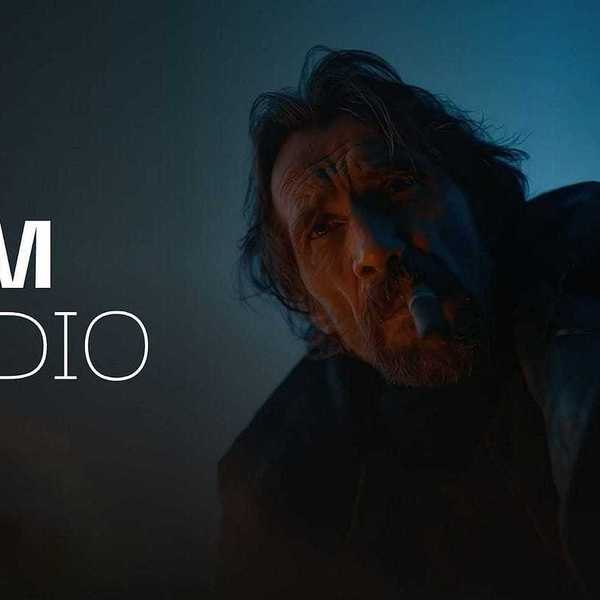
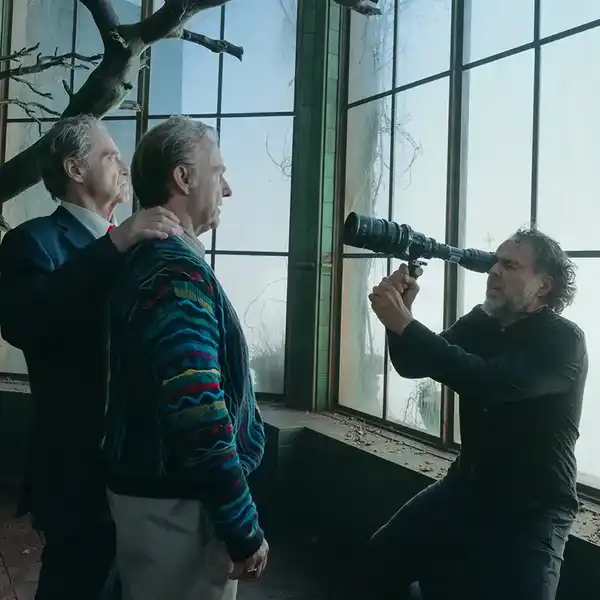
Earlier this year, Oscar-winning DP Greig Fraser shared some time with Kevin McCarthy on the On Film… With Kevin McCarthy podcast to unpack Project Hail Mary, but talked about everything from Dune to The Batman to Road to Perdition… which he did not shoot.
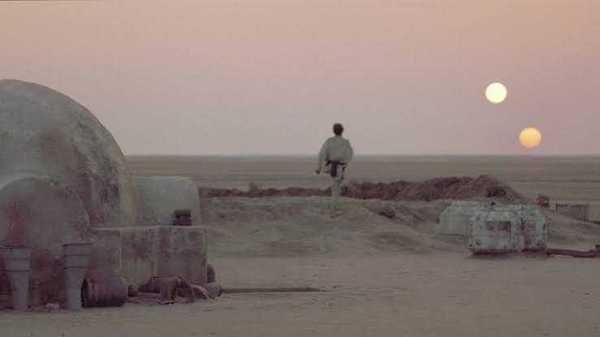
He's an Oscar winner for Dune and is shooting Sam Mendes' Beatles four-parter. Project Hail Mary, directed by Phil Lord and Chris Miller, released in March. He also did some beautiful work on Rogue One, which I have to mention as a Star Wars fan.
"The way I process images is effectively as problems," he told McCarthy. "Once I solve a problem or put an image out there, once I've shot it, I kind of forget about it because ... on to my next image."
Check out the full conversation below.
- YouTube www.youtube.com
Camera and Lighting Are One Job
Most sets separate these into two jobs. Fraser thinks that's backward. He came up operating cameras and lighting in Australia, and the two skills never split for him. When McCarthy asked about the separation between operators and lighting-focused DPs, Fraser said the whole thing feels weird to him.
The camera is "the extension of my eye, effectively."
He brought up the GOAT, Roger Deakins, and how "for him it's like the hand at the end of your arm."
"It's so clear to me that the way he lights is based on where the camera is, and where the camera is based on lighting. So, they're not two separate things. And it's always been odd to me that they have been separated out by the industry."
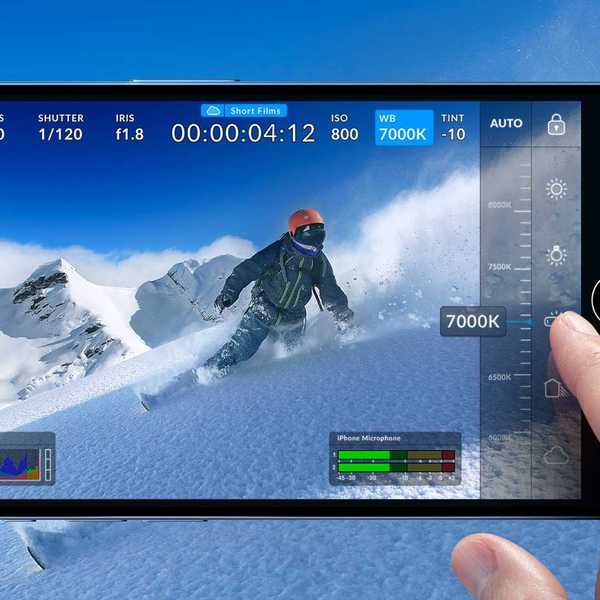
The tools have caught up to the way Fraser thinks. With RGB LED fixtures, he said he can "actually get 95% of the way there on the shoot day," dialing color temperature and tint at the source instead of correcting it later. On film shoots, he said, you still have to lean on the grade. On digital, the grade at the end of the day "is not as big of a deal."
If the Composition Is Bad, Camera Movement Won't Help
I watch so many things these days and am just desperate for the camera to sit down. Moving all over the place won't rescue bad cinematography, and Fraser agrees. His conviction traces back to a specific film he watched before he'd worked on a feature. It was Lynne Ramsay's Ratcatcher, shot by Alwin Küchler.
"I watched that film, and I went, 'This film is stunning, and there's very little movement in it'... I know now what I need to do to be a cinematographer. I need to make images that resonate. I don't have to understand movement."
Focus on the images, still at first.
"You've got to make a great image, and then you move the camera to another great image. All the images in that movement need to be fantastic."
- YouTube www.youtube.com
Study the Classics
Fraser didn't go to film school. His training was rewinding VHS tapes and DVD commentaries.
"I think I watched the making of Fight Club about a thousand times, and the director's commentary about 500 times, to learn how [Jeff] Cronenweth lit that, how [David] Fincher directed it."
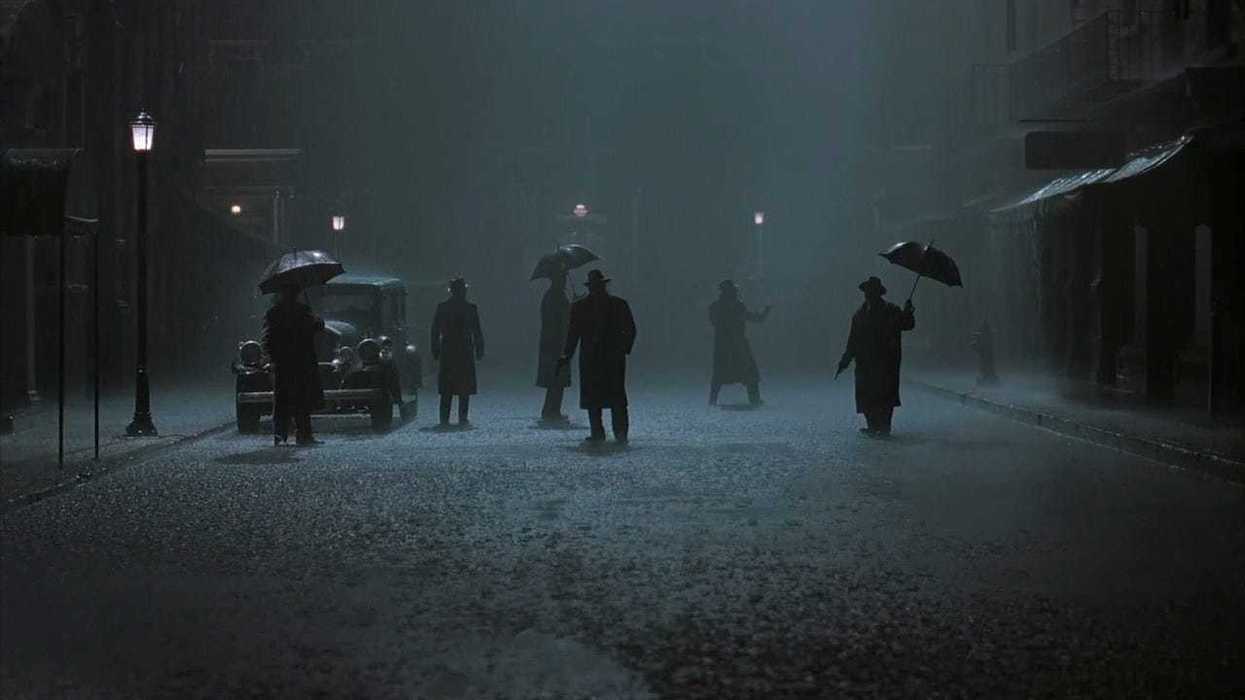
This is also where Road to Perdition comes in. It's one of the most beautiful films of the 2000s, top to bottom. Fraser brought it up to the film's director, Mendes, during their time together.
Fraser used the death scene shot by Conrad Hall, his last film before his death, as a self-taught coverage textbook. He said he can "recount shot for shot" the sequence where Tom Hanks' character kills Paul Newman's.
"That scene was my training tool about how to tell a story without seeing the protagonist. It was a fantastic way to kill off that character in a really dark, interesting way."
Fraser worries the loss of physical media commentary tracks is erasing a whole tier of self-education. Please keep watching behind-the-scenes materials.
Prep, Prep, Prep
Fraser prepped Project Hail Mary in a virtual production stage months before builds went up.
"The great thing about prep is that you can forget about it later because you've solved all the problems that you need to solve technically. Again, going back to the way that we built most of the sets in 3D, we were in every set months before it was even built."
They shot Grace's waking up scene around 25 times before they were even on set.
But extensive planning also allows for flexibility. The Sandra Hüller karaoke scene, for instance, was a last-minute addition, no rehearsal.
After coverage was in the bag, Fraser would grab the camera and "reimagine the scene without the constraints of ... wide, medium, close." He was allowed to experiment, too.
- YouTube www.youtube.com
Find the Image the Film Hangs On
Fraser struggled to lock the Project Hail Mary look for weeks, he said. Then one music video solved it all for him.
As they were pulling frames, he noticed all their reference films were shot on film, but they were shooting digital. Fraser found the Chris Cunningham-directed video for Björk's "All Is Full of Love," which he said is analog-feeling but CG-heavy. The MoMA even acquired the video for its permanent film and video holdings as a groundbreaking work of modern visual and electronic art.
He showed the video to Ryan Gosling.
"I turned the laptop around. This is how it's going to look. That for me was my through-line. I suddenly started to go, 'Okay, now I know how this thing's got to look. It's got to look analog.'"
Project Hail Mary is a story about a middle school teacher waking up alone in deep space to save Earth. Fraser didn't want grimdark, and he didn't want bright and sweet. He wanted beauty with weight.
"I wanted Ryan to be well lit and bright, but I also didn't want to show the world everything. You want to keep things back. You want to have deep shadows ... but not fatigue the audience by having it too dark."
He'd worked the same problem in reverse on The Batman. Fraser built a reference doc for that film he titled "light but dark," a collection of dark-toned images that always had a light source somewhere in frame.
He found a tension in the lighting that made both beautiful in their own way.
- Check Out the Camera and Lenses Greig Fraser Used for 'Dune: Part Two' ›
- If Gareth Edwards and Greig Fraser Can Shoot a Sci-Fi Feature on a Sony FX3, So Can You ›
- How Greig Fraser Was Able to Shoot in Infrared for 'Dune: Part Two' ›
- Breaking Down the Cameras and Aspect Ratios Used to Bring 'Project Hail Mary' to Life ›