Hollywood on High Alert As Trump Reignites Tariff Battle
From production to distribution, no one is safe from this stupidity.
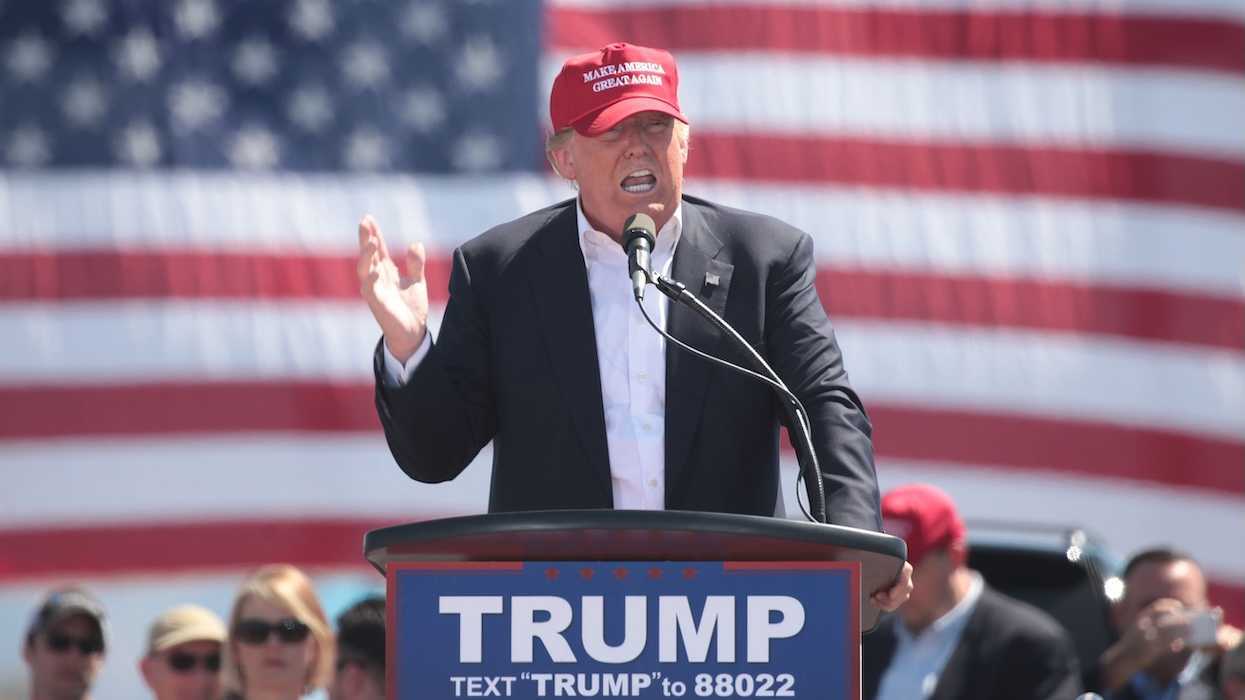
Donald Trump
Yesterday, President Trump renewed his threat to impose a 100% tariff on all films made outside of the United States.
This move sent shockwaves through an industry that heavily relies on international co-productions and global box office revenue.
But after conversations with lots of different people, actors, writers, directors, and producers, none of them took the threat seriously.
In fact, Variety is reporting that most think this is an idle threat built for headlines, but with no way of enforcing or actually coming to fruition.
Let's dive in.
- YouTube www.youtube.com
What's the Big Deal?
For decades, Hollywood studios have chased tax incentives and lower production costs by filming in countries like Canada, the U.K., and Australia.
This has hurt Los Angeles and other parts of the United States, where production used to inject billions into the economy.
You can't argue with that.
The US has tried to keep up, with many states trying to enact their own incentives, but not being able to keep up with what happened internationally.
Trump's idea of a tariff is supposed to keep these jobs at home. But it came with no actual ways to make that happen and no nuance.
Unlike physical goods, films are intellectual property that can be transmitted digitally, making them difficult to tax at the border.
You can't just reach up into the cloud and stop them from being shared.
Furthermore, many "American" films are actually international co-productions, with financing, filming, and post-production taking place in multiple countries. This makes it nearly impossible to determine what constitutes a "foreign" film.
So did that Truth Social post actually mean anything?
Hollywood's reactions say, "No."
- YouTube www.youtube.com
What's the Alternative?
I want these jobs to come back home as much as everyone else. So how do we do it?
We need to create a national film tax credit. One that is so large that it would incentivize studios to film in the U.S.
It has to equal what people are getting abroad, and it has to cover the entire United States.
This would level the playing field with other countries and bring jobs back to the U.S. without harming the industry as a whole.
To me, that's the only way to save Hollywood.
Summing It All Up
As filmmakers, it's important to stay informed about these issues and to advocate for policies that will support a healthy and vibrant film industry for everyone.
It is infuriating that the government seems to have no idea what Hollywood needs or wants, but we have to stay informed and make our voices heard.
Let me know what you think in the comments.
- How Trump’s Latest Tariffs Could Further Increase Prices for Film and Video Gear ›
- Trump Adds 100% Tariff on Movies Not Made in America ›
- Read the Letter The Hollywood Unions Sent to Trump Asking For Help To Bring Production Home ›
- Can Trump Fix Hollywood? ›
- Will a Federal Tax Credit Fix Runaway Production? Breaking Down Trump’s Hollywood Incentive Endorsement | No Film School ›