How Microbudget ‘Sour Party’ Became a Steven Soderbergh Presents
“My big advice is just do it. You’ll figure it out. You’re going to make mistakes. Just do it."
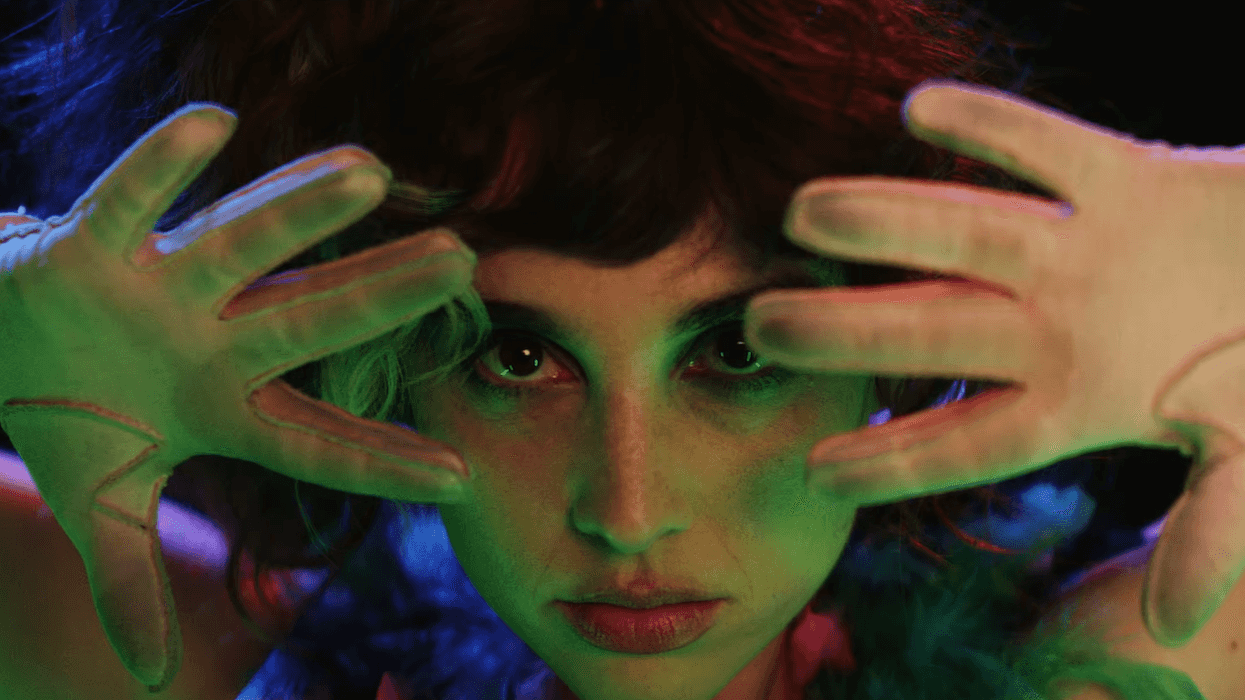
'Sour Party'
In this episode of the No Film School Podcast, host GG Hawkins chats with filmmakers Amanda Drexton, Michael A. Drexton, and Samantha Westervelt, who, after an earlier feature project collapsed, decided to stop waiting for permission and make Sour Party with the people, locations, equipment, and lived experiences already available to them.
They discuss financing and shooting the microbudget comedy, surviving festival rejection, finding a distributor, budgeting for post-production, and campaigning through Decentralized Pictures until Steven Soderbergh selected the film to receive his support and the “Steven Soderbergh Presents” credit.
In this episode, we discuss:
- Turning the collapse of a planned feature into the motivation to make Sour Party
- Expanding earlier short-film ideas into a female-led Los Angeles buddy comedy
- Writing around the actors, locations, equipment, and personal experiences they already had
- Financing the production with a small-business loan, credit cards, deferred rates, and community support
- Moving quickly from the first draft to production rather than waiting for outside permission
- Shooting an 80-minute feature over approximately 19 days with mostly 12-hour production days
- Navigating festival rejection before premiering at the Chattanooga Film Festival and winning its Audience Award
- Building relationships with filmmakers and festival supporters who helped champion the movie
- Choosing a smaller distributor that offered accessibility, communication, and flexibility
- Why a distribution agreement does not necessarily include a minimum guarantee or a marketing budget
- Applying for Steven Soderbergh’s Decentralized Pictures grant to secure prints and advertising support
- Spending months campaigning through the platform’s community-based voting process
- Pulling the film from its scheduled release after Soderbergh selected it and offered to present the movie
- Setting up a collection account to manage investors, deferred payments, points, residuals, and revenue distribution
- Planning for post-production costs, including music licensing, legal work, sound, color, deliverables, and distribution expenses
- Negotiating music licenses when the production could not afford the initial quoted prices
- Learning to consider production logistics while writing future projects
- The importance of collaborators whose different skills combine into a shared creative vision
- Why filmmakers should view their careers as a long game rather than measuring success by age
- Building the soundtrack around Samantha’s former band, Egg Drop Soup, and other local female artists
- How DCP Plus aims to offer independent filmmakers a more transparent distribution option
- Why audience reviews, word of mouth, and communal viewing remain important for microbudget films
Guests:
Subscribe to the No Film School Podcast on:
Get your question answered on the podcast by emailing podcast@nofilmschool.com
Listen to more episodes of the No Film School podcast right here: