It’s a good thing when you have an actor who's involved in your film, brainstorming and developing the character as intimately as you are, or just looking out for the film overall. Actually, the more the merrier.
It’s easy to misunderstand their intentions or vision for the film when they suggest revisions in your screenplay; however, it’s important to keep your ego in check and consider the actors’ notes.
In my experience, while you might be afraid of too many cooks spoiling the broth, more often than not, you end up being thankful that your actor put their foot down or nagged you into making that revision.
In this article, we’ve listed movies that were elevated by creative suggestions from actors.
7 Times Actor Notes Made the Script Way Better
1. Robert Downey Jr.
The Shawarma Scene, The Avengers
 'The Avengers'Source: Walt Disney Studios Motion Pictures, Paramount Pictures
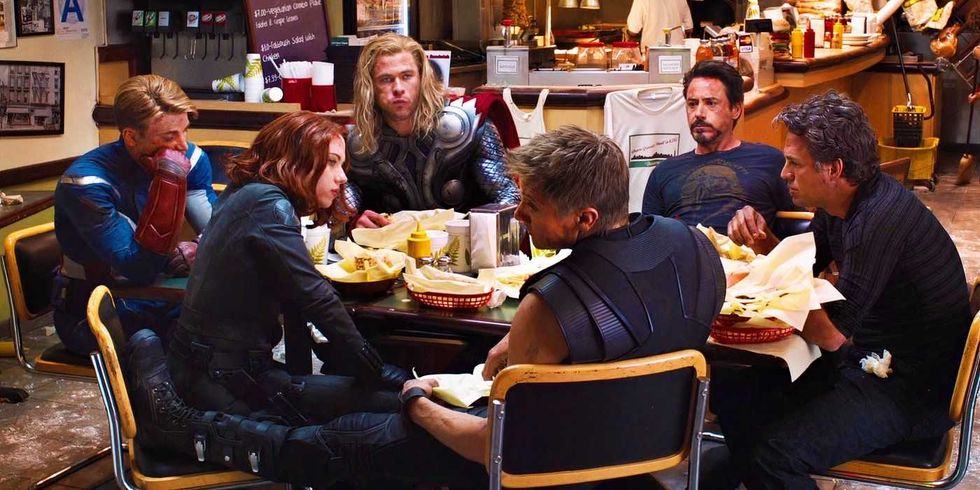
Initially, the filmmakers had decided that after the fight with the Chitauri, Iron Man would be thrown back onto Earth. Surviving his injuries, he wakes up with a startle and asks, “What’s next?”
Robert Downey Jr., who’s widely known for demanding revisions in scripts (that actually have elevated narratives), expressed his dislike with the “meh” ending and offered to help.
He ultimately came up with the shawarma idea, and that’s how the Avengers ended up feasting in the post-credit scene. That one scene humanized our favorite superheroes, while making the ending far more memorable than “what’s next?”
2. Samuel L. Jackson
The Title, Snakes on a Plane
 'Snakes on a Plane'Source: New Line Cinema
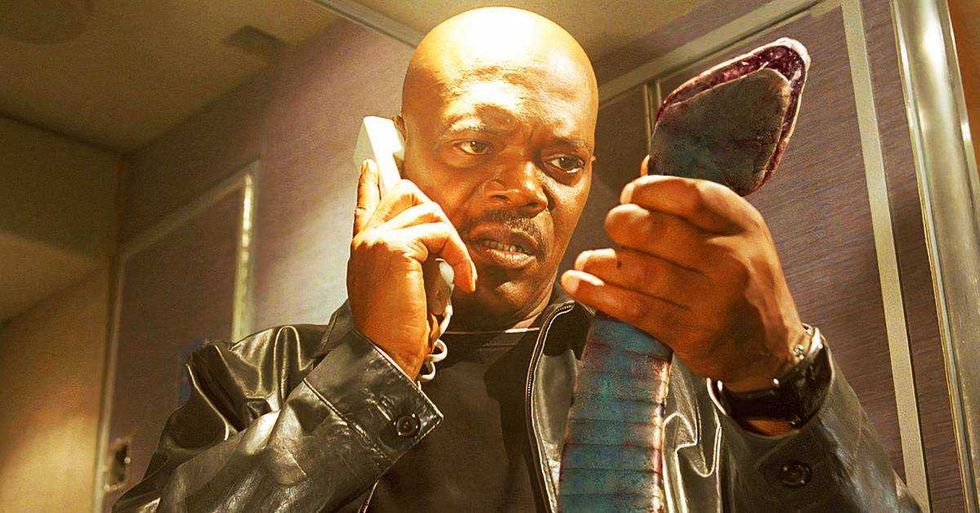
David R. Ellis’ Snakes on a Plane follows an FBI agent and a huge nest of deadly snakes inside a plane, which was deliberately released by bad guys to kill a witness and prevent him from testifying against a certain mob boss.
Reportedly, Samuel L. Jackson said yes to the film only because he found the title particularly quirky and hilarious. However, just before filming, the studio decided to change the title to Pacific Air Flight 121, fearing it would give away too much of the story.
Naturally, Jackson wasn’t happy about it and put his foot down, forcing the makers to choose between him and the new title. He argued his points with films like A Nightmare on Elm Street and Friday the 13th.
We know what the makers chose, and it was definitely worth it.
3. Leonard Nimoy
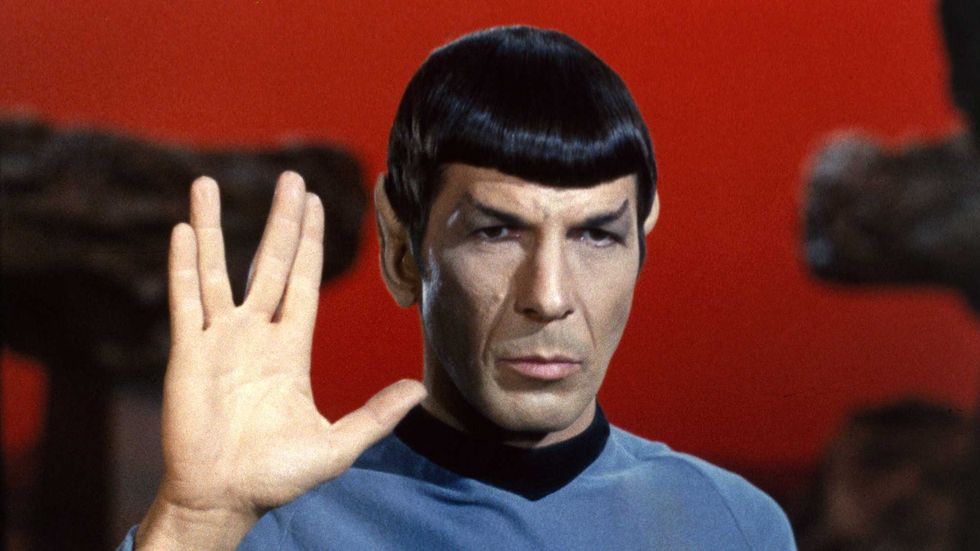
Vulcan nerve pinch, Star Trek
 'Star Trek'Source: Paramount Pictures
Originally, Spock’s choice of weapon was the phaser. But Leonard Nimoy contested this choice, saying it was too violent for a character like Spock.
Subsequently, Nimoy came up with an alternative—the Vulcan nerve pinch, which became synonymous with the character.
4. John Krasinski
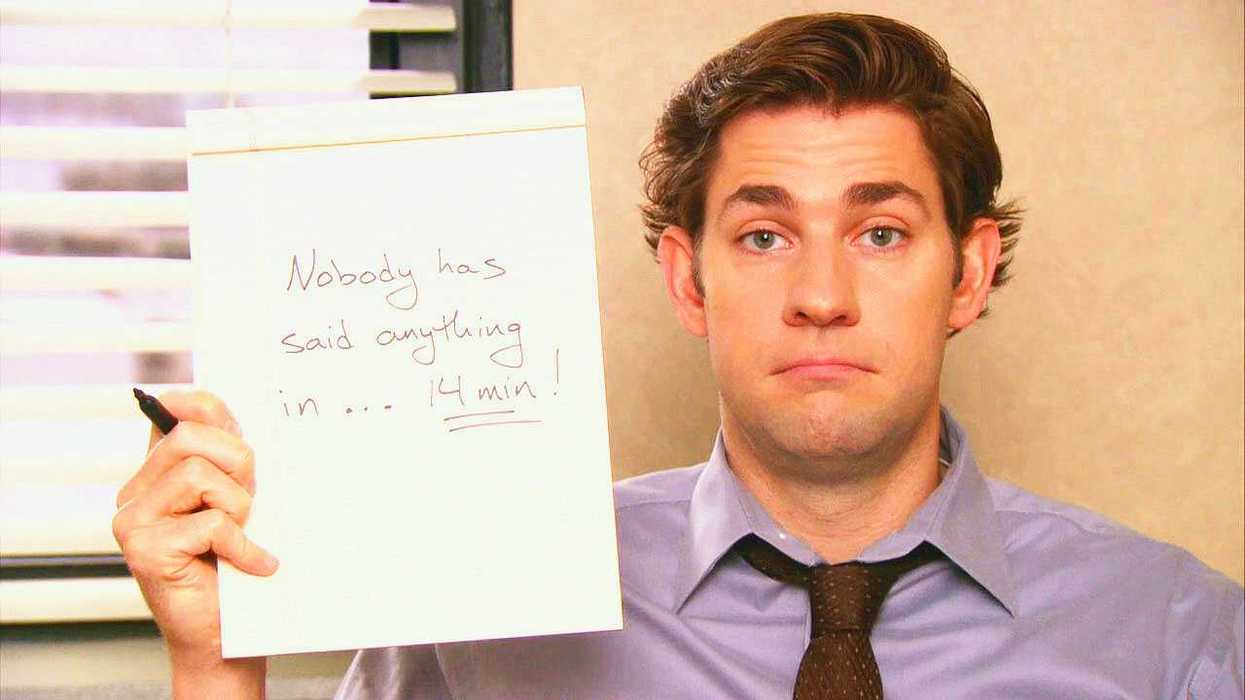
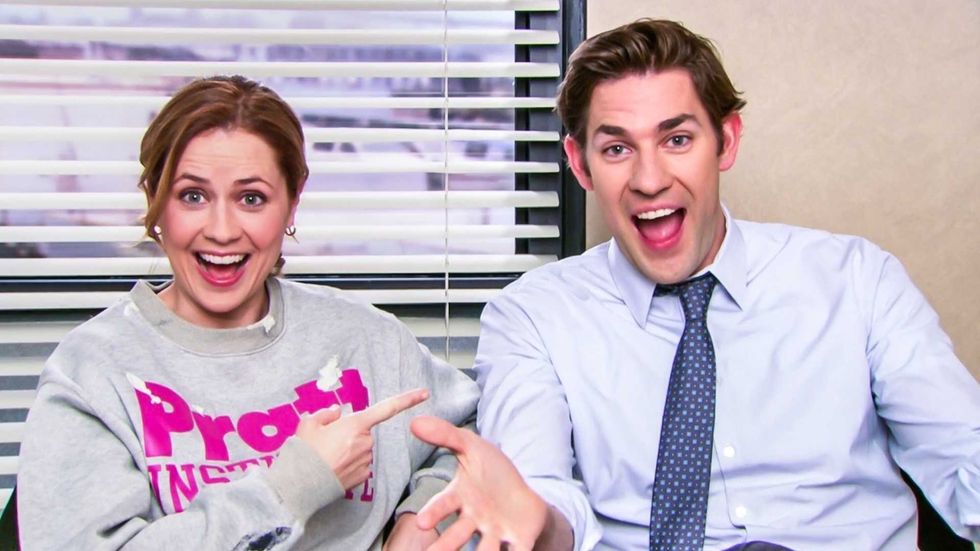
Jim won’t cheat, The Office
 'The Office'Source: NBC Universal Television Distributor
Eight whole seasons and millions of gestures of love later, if Jim had ended up cheating on Pam with a temp, I don’t know about you, but I’d lose my faith in love and in The Office. It's quite strange to me that the showrunners didn’t realize that until John Krasinski protested.
Originally, Jim was supposed to kiss Cathy, the temp who joined Dunder Mifflin as Pam’s replacement, while she was away on maternity leave. However, reportedly, Krasinski flat-out refused to shoot the sequence.
I personally feel that Krasinski is absolutely right here. Jim absolutely had no reason to cheat—their marriage was happy, and a baby was on the way, and the show had already established him as a decent guy. It would have made no sense! Thank you for saving the day, Krasinski!
5. Meryl Streep
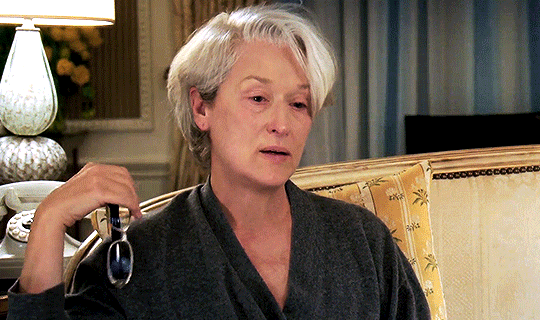
Humanizing Miranda, The Devil Wears Prada
 'The Devil Wears Prada'Source: 20th Century Studios
It was extremely important that we both feared and hated Miranda Priestly by the end of The Devil Wears Prada for the climax to land as effectively as it did, when Andy walked out of the car and chucked her phone into the fountain, claiming her freedom. The writers did everything to ensure that, too, in the original script.
However, Meryl Streep’s notes on Miranda really make a lot of sense, and definitely made a difference in how we perceived an icon like Miranda.
She insisted that the film has selected intimate moments with Miranda, in which the audience can see her stripped of her glamour and authority—the part of life she can never control.
Reportedly, the scene where Andy walks in on Miranda crying over her divorce, all alone in her hotel room, is all Streep.
6. Crispin Glover
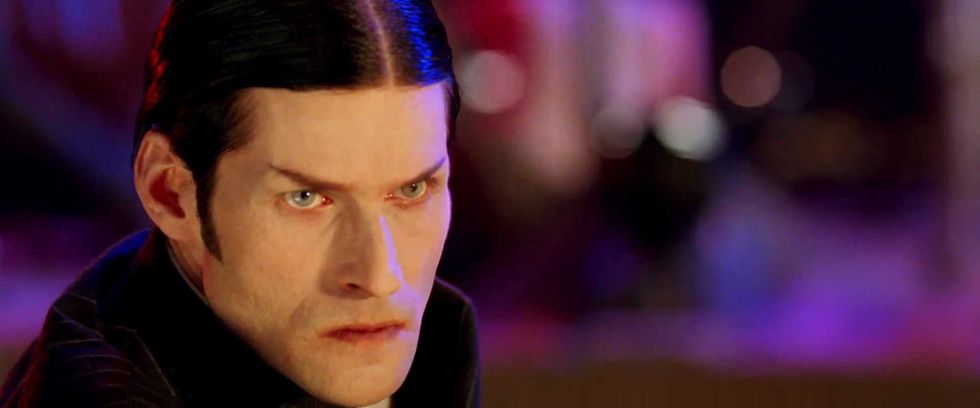
Thin Man doesn’t talk, Charlie’s Angels
 'Charlie’s Angels'Source: Sony Pictures Releasing, Columbia Pictures
Crispin Glover didn’t like the lines that were written for his character, Thin Man, so he proposed that his dialogue be removed from the narrative entirely. The directors liked his idea, and that’s how the Thin Man ended up being a silent character in Charlie’s Angels.
7. Dacre Montgomery
Billy’s background, Stranger Things
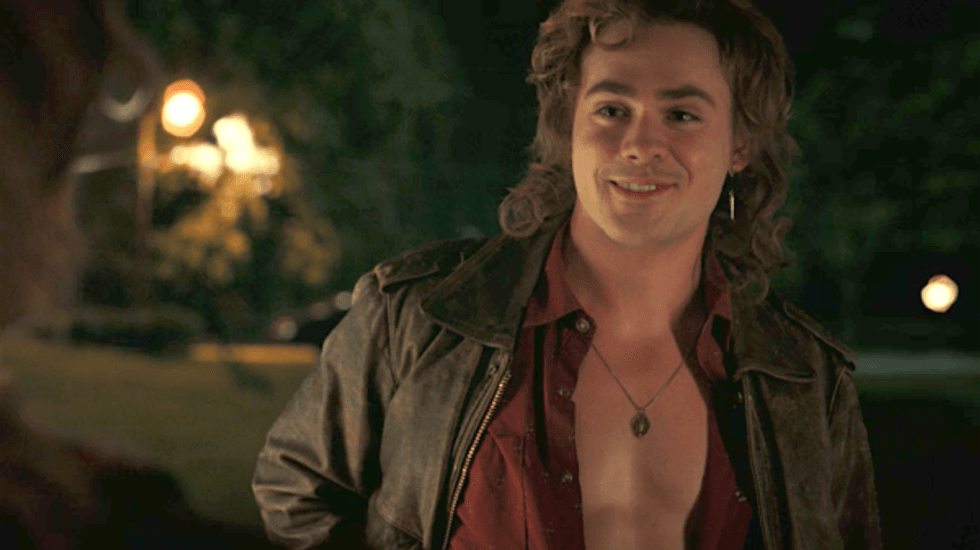 'Stranger Things'Source: Netflix
Actor Dacre Montgomery felt that his character, Billy, was one-dimensional because the script originally cast him as the quintessential bad guy, without ever really exploring his reasons for being the way he is.
He suggested that the series include sequences that reveal Billy's background and past trauma to the audience, helping them understand that he isn’t inherently bad.
Addressing the actor’s concerns, new scenes were added, such as Billy’s confrontation with his father and his memories of his mother.
What do you think about these actors' notes? Let us know if you think they were valuable revision notes for the narratives.