Director William Friedkin, who is best known for his films The Exorcist and The French Connection, had another masterpiece released in 1977. Unfortunately, it seemed people weren’t that ready for it at the time.
Let’s take a look at the history of his 1977 film, Sorcerer, and how it came to be reappraised today.
Background on the Film and the Making of Process
Sorcerer is an American retelling of the French film, The Wages of Fear, which was, of course, an adaptation of the original novel. Friedkin had initially attempted to get the original film re-released in theaters to no avail, as he felt that American audiences were missing out on something truly special (they were).
Once Friedkin took his actors and crew into the South American jungle to film, problems began to arise. Not dissimilar to Coppola’s experience shooting Apocalypse Now, so many of the crew came down with debilitating illnesses, with Friedkin himself losing 50 pounds due to Malaria.
When a special effects moment of blowing up a tree didn’t go as planned, Friedkin had to reach out to a New York arsonist through various backchannels in order to get him to fly to South America and help them achieve the effect in one take. Tensions between the actors, crew, and Friedkin in general were such that positions were dismissed and replaced upwards of half a dozen times throughout production.
The film was plagued by extensive reshoots due to harsh on-location difficulties with lighting, the elements, and having to fly back to the States just to view the dailies. Actor Roy Scheider described his experience on the film as incredibly tedious, but upon seeing said dailies, he knew that he had achieved something special.
An Immediate Burial Upon Release
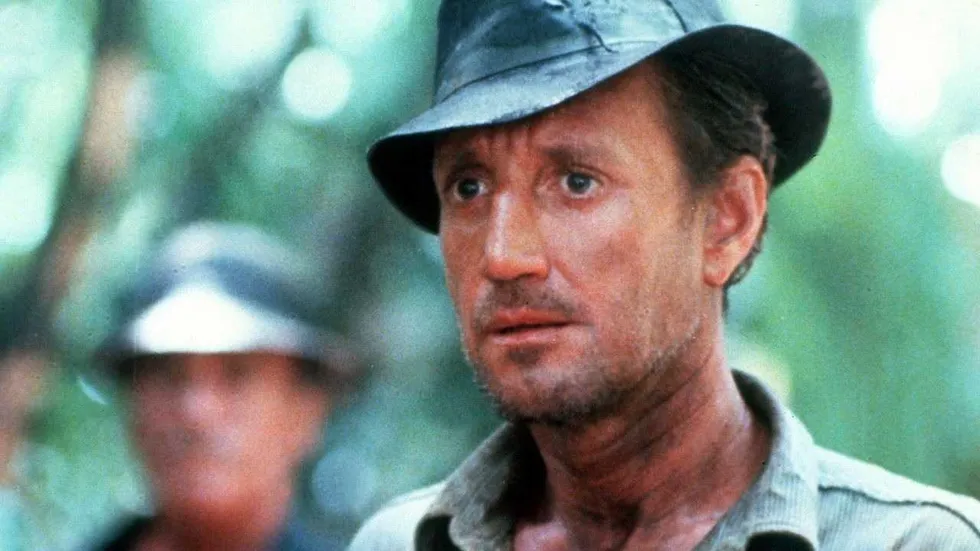 ‘Sorcerer’Credit: Universal Pictures/Paramount Pictures
The critical, financial, and social reception to the film upon release was devastating. The film grossed just under $6 million domestically, and barely broke nine million worldwide. Estimates placed the film at needing to make between $45 million and $50 million just to break even financially.
Critics and audiences attributed the financial failure of the film to a few different external factors. For one, the film opened wide barely one month after the original Star Wars, and once it replaced the film in theatres, audiences wanted Star Wars back so badly that Star Wars inevitably re-replaced Sorcerer in big theaters after just a few weeks.
Many members of the public also expressed their disdain for the film’s title. Still riding his reputation from The Exorcist, many felt that the title of Sorcerer was William Friedkin keeping a streak of horror going, and when it turned out not to be the case, the film was faced with walkouts and bad word of mouth.
Additionally, a large portion of the first act takes place in non-English-speaking territories, which results in the first twenty minutes of the film being spoken almost entirely with the need for subtitles. So many people thought that they were watching the wrong movie and got up and left that many theaters wound up putting disclaimers outside of the auditoriums warning people that the subtitles would eventually go away.
To make matters worse, those that actually did sit and watch the entire film didn’t care for it either. Critical reception was scathing, with critics deeming the film unnecessary, a dumbed-down American reboot with no substance, all flashy setpieces with no character; the insults go on. It was so overwhelming that Friedkin fled to Paris to both recover from malaria and evade the barrage of hatred coming down on him from every corner of the business.
Modern-Day Reception of the Film
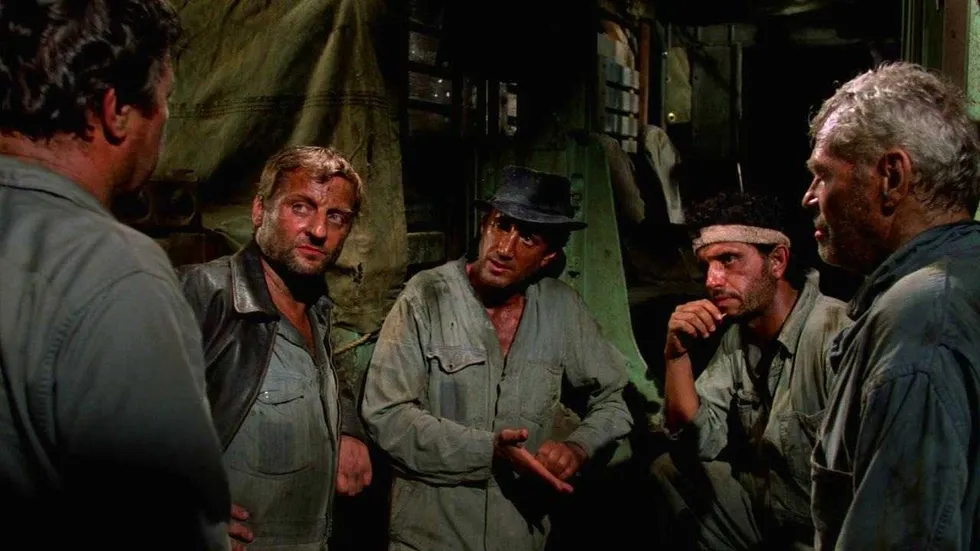 ‘Sorcerer’Credit: Universal Pictures/Paramount Pictures
One of the only critics to give the film its flowers at the time was Roger Ebert, who was shocked by the aggressively negative reception and included the film in his best films of 1977 recap.
Thankfully, today, the reception of the film is much warmer. Even better, Friedkin was able to live for long enough to see the film have its day. He passed away in August of 2023, but the film had been re-evaluated as a classic well before then.
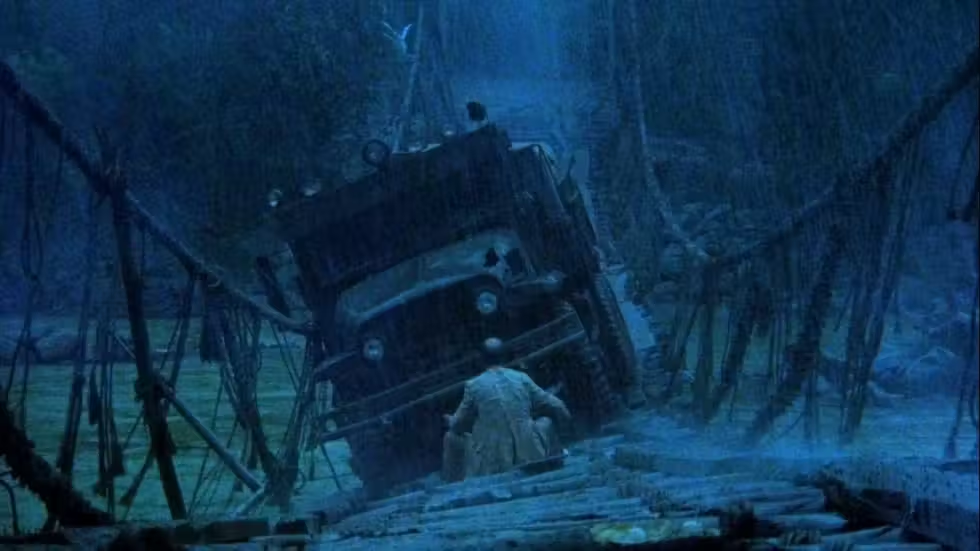
While the film was criticized at the time for seemingly prioritizing spectacle over character depth in an overtly Americanized fashion, the film has far more to say about nihilism and the irony of fate than many people gave it credit for at the time. The film echoes a prominent filmmaking sentiment of the time with its use of incredibly dark ambiguity and irony in its final moments. Even after all of the trouble the characters went through with Roy Scheider being the sole survivor, it’s not entirely clear if he lives or dies by the end. He very well could have been silenced by assassination in the final scene as we cut to black.
The randomness of Mother Nature and her destruction throughout the film is obviously an intentional filmmaking choice, but the sheer gravitas of nature on display throughout the film feels difficult to recreate safely. It’s impossible to imagine someone not risking their life in some way to achieve certain moments in the film, and thankfully, people wrapped production in one piece because the imagery they have to show for it is some of the most stunning ever put to screen.
- Watch William Friedkin Interview Fritz Lang About Filmmaking, Joseph Goebbels, and Art ›
- Advice from Director William Friedkin: 'Leave Film School' & Study Alfred Hitchcock ›
- William Friedkin Reveals the Types of Films He Never Got To Make ›
- William Friedkin Opens Up About the Shocking Legacy of 'The Exorcist' and Its Production ›
- Rest in Peace, William Friedkin: Raconteur and Director ›