While working on a film as an assistant a few years ago, one of my peers jokingly said that he wished to be on a Keanu Reeves set. I guess I was living under a rock, because I had no idea until he told me what Reeves did with his earnings from The Matrix.
In a 2003 Chicago Tribune interview, he said, “Money is the last thing I think about. I could live on what I’ve already made for the next few centuries.”
Any celebrity making these statements might come out to be a PR stunt, but not Reeves. Even though the man has millions of dollars in the bank, he doesn’t hesitate for a second to give his wealth away.
Reeves gave away $75 million to his crew, but why?
Reeves’ Simplicity from the Beginning of His Career
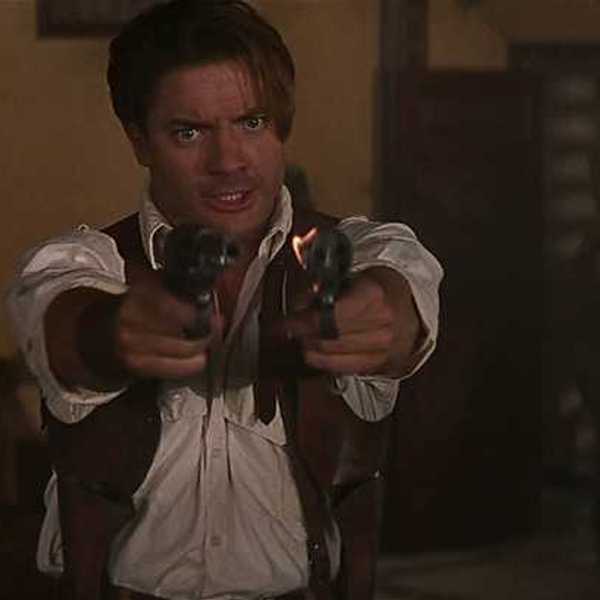
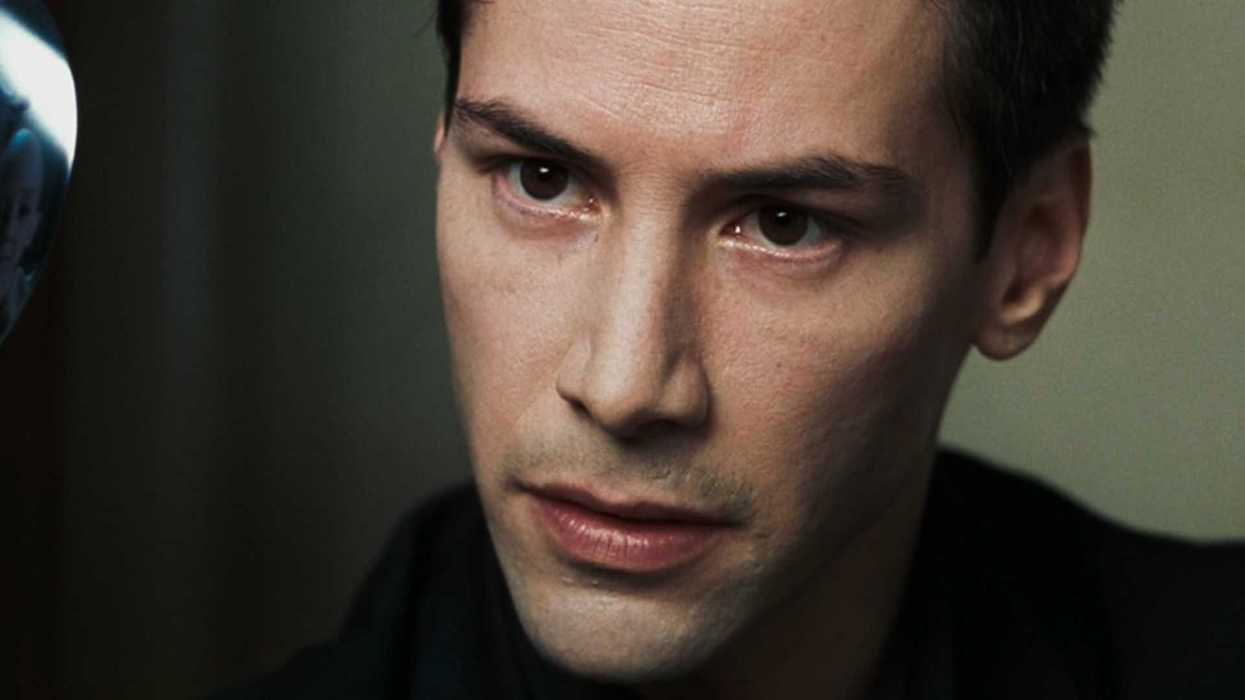
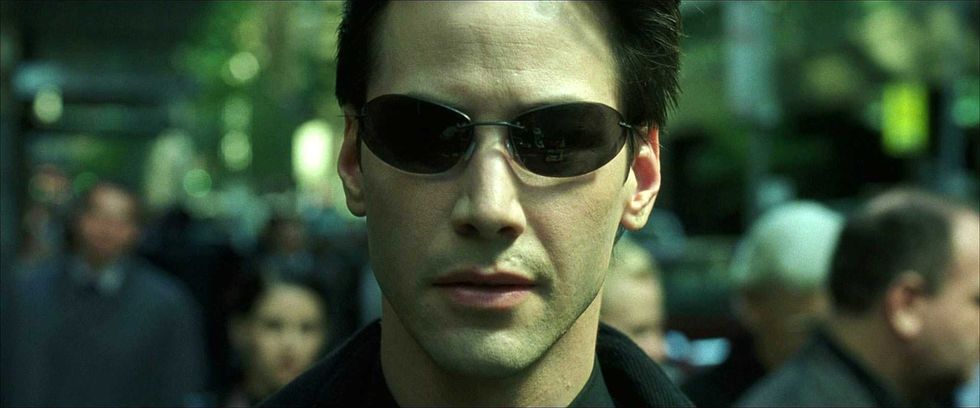 'The Matrix' (1999)Credit: Warner Bros.
Right from the beginning of his career, Keanu Reeves has had a reputation for being simple and generous on set. In 1995, Reeves was offered a role alongside Robert De Niro in Michael Mann’s 1995 action-thriller classic, Heat. He declined the role. Why?
For something better? No. He passed on the role to act in a production of Shakespeare’s Hamlet at the modest Manitoba Theatre Centre in Winnipeg, Canada. The role he was offered was played by Val Kilmer in the movie.
The very next year, Reeves turned down an $11 million offer to reprise his role in Speed 2: Cruise Control. He found the script unconvincing and instead chose to star opposite Al Pacino in The Devil's Advocate. To make that happen, he then cut his own salary by a few million dollars so the production could afford Pacino's fee.
He even took a big pay cut for the movie so that the production could afford to pay Al Pacino. He did something similar for the movie The Replacements to get Gene Hackman on board.
A star with enough leverage can effectively reshape a film's budget by absorbing a co-star's fee into their own deal. Producers working with limited budgets use this kind of above-the-line flexibility more than is publicly discussed. When the choice is between losing a key piece of casting or restructuring the top-end deal, a willing lead actor becomes a financing tool. Reeves did this twice before The Matrix made him one of the most bankable stars in the world.
Recognizing the Real Heroes of The Matrix
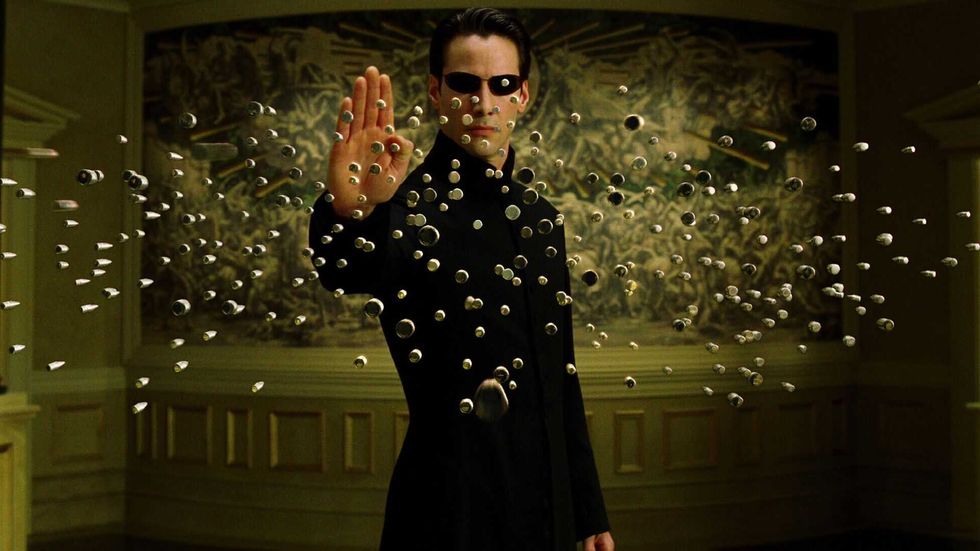 'The Matrix' (1999)Credit: Warner Bros.
For his first Matrix film, Keanu Reeves reportedly earned $35 million, including the upfront fee and backend royalties.
Backend profit-sharing points (often called “points”) are a percentage of a film's net or gross profits contractually assigned to key talent. In practice, they're almost exclusively negotiated by above-the-line players: directors, producers, and stars. Below-the-line crew (the riggers, costumers, stunt performers, and VFX artists who physically build a film) work on flat deals with no stake in how the movie performs.
A blockbuster can gross a billion dollars, and the people who made its most iconic sequences will see none of that upside. That's the norm Reeves chose to work around.
For the two sequels, Reeves secured a generous backend profit-sharing deal. Rather than keep it, he reassigned the bulk of those points to the special effects and costume design departments, the people he felt were most responsible for making the films work visually. When the sequels grossed over $1.2 billion at the worldwide box office, those points were estimated to be worth roughly $75 million.
When it was all said and done, Keanu generously gave $75 million, distributed among dozens of Matrix crew members. He still managed to earn around $200 million from the Matrix franchise, and everyone left the set happy.
He also gave each member of the stunt team a Harley-Davidson motorcycle when filming wrapped on the sequels.
His generosity extended well beyond the set.
Philanthropy
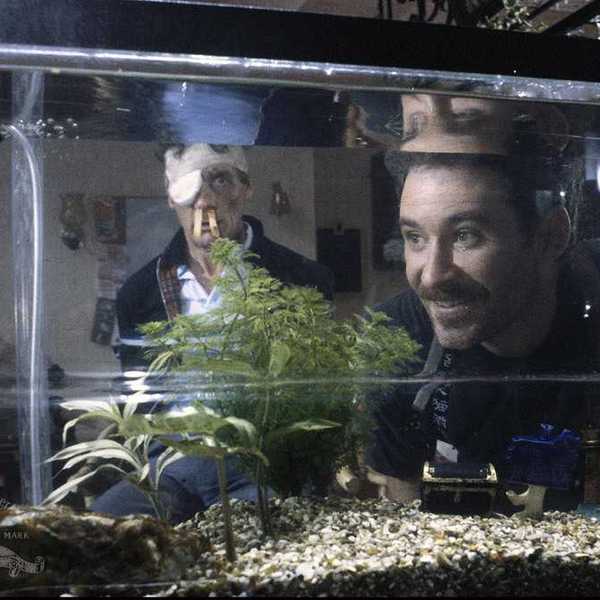
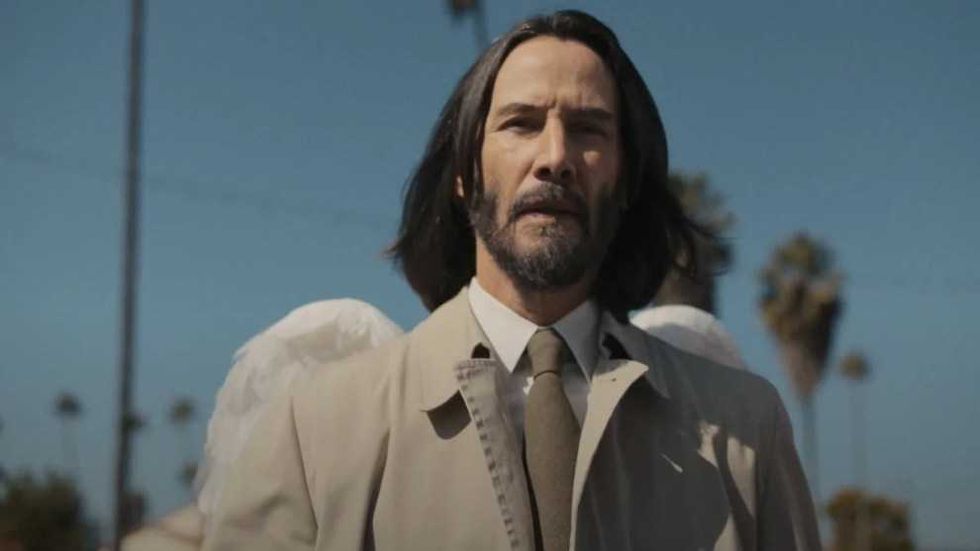 'Good Fortune' (2025)Credit: Lionsgate Films
Off set, Reeves has maintained the same approach. After his sister was diagnosed with leukemia, he quietly established a private cancer foundation supporting children's hospitals and research. He has said he doesn't attach his name to his donations.
The consistency between his on-set behavior and his private giving suggests this isn't calculated image management, which is probably why it reads as credible to the people who have worked with him.