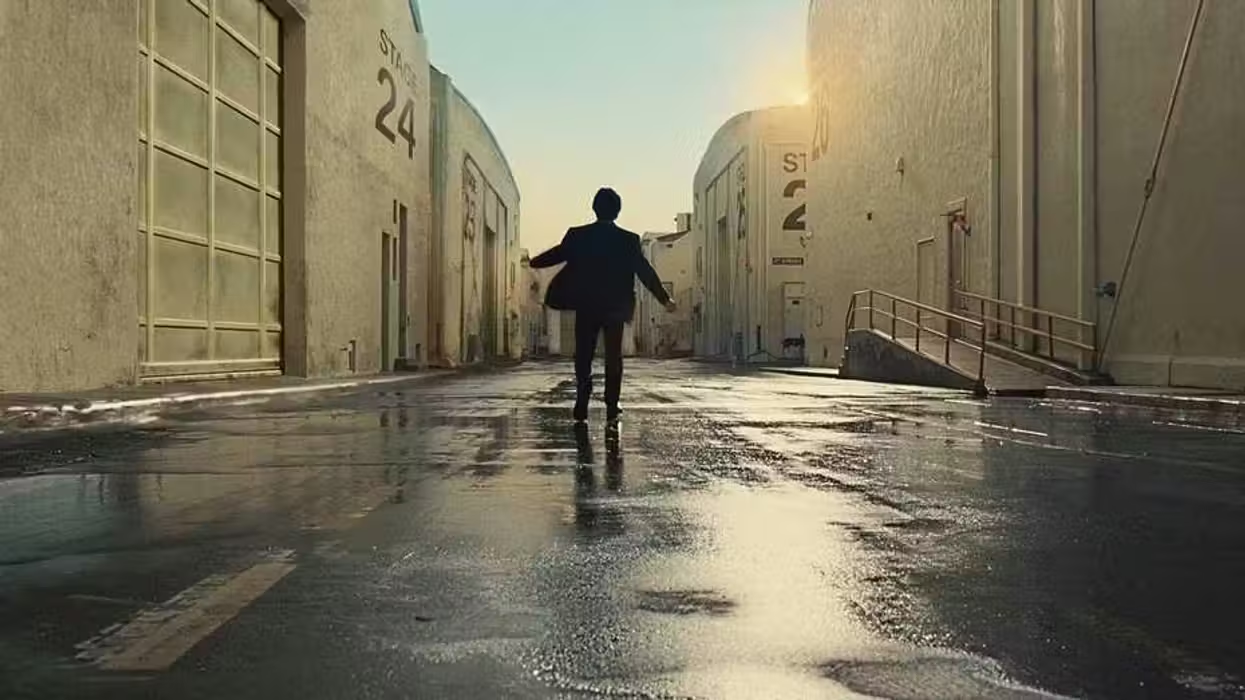
When I moved to Los Angeles in 2012, I was an intern. And every time there was an errand on a studio lot, I'd volunteer to go. That was like the best gig to get, because once you were done dropping off the mail or picking up a DVD, you could wander around and see your favorite TV shows and movies being made.
It was a vibrant time that felt like it would never end.
But it has.
A new report from The Hollywood Reporter details how the values of Los Angeles studio lots and soundstages are plummeting after so much production has left the city.
That real estate bubble may not seem to affect filmmakers, but as California tries to return to its status as a production hub, these lots need to exist for people to work on. But how long can their leaseholders keep them if they're currently empty and losing value?
Let's dive in.
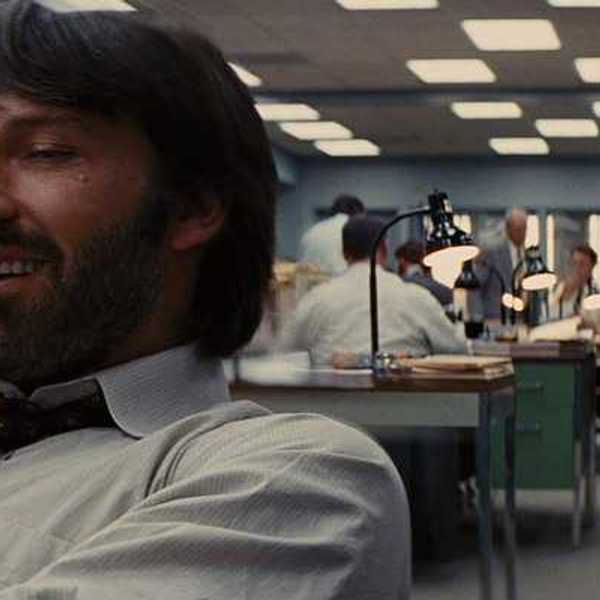
 'The Wolf of Wall Street' Credit: Paramount
How Wall Street’s Soundstage Gold Rush Collapsed
Around six years ago, private equity firms like Hackman Capital Partners, Blackstone, and Bain Capital identified Los Angeles soundstages as the ultimate commercial real estate play.
Basically, they could house offices, be converted into apartments, or be used for pretty much anything except actually making movies and TV.
And these private equity companies had a lot of money and could offer what productions currently could not: a paycheck. This all came to a head after COVID, when production left Los Angeles, and suddenly they weren't bidding against anyone.
Soundstages went from 90% filled in 2022 to 62% today, the lowest rate ever recorded.
The Radford Crash
So if you want a case study in all this, look no further than the Radford Studio Center in Studio City. In 2021, ViacomCBS sold Radford to Hackman Capital Partners and Square Mile Capital.
Then Hackman defaulted on its over $1 billion in debt tied to the lot and lost control of it to Goldman Sachs.
Now, Netflix has been closing in on a deal to buy the entire lot for about a fifth of that 2021 valuation.
So you have to hope they shoot things there, but you can see why a lot of these places are selling when private equity is not thinking about the consequences; the offers coming in are just too high.
Legacy Studios Fight the Tax Man
Another thing crushing legacy studios is Los Angeles property tax, which keeps going up and drives the taxes on the lots higher and higher.
Well, if you're not using the land to shoot anything, and more of these places are run by private equity firms or are publicly traded, they're always looking for ways to cut costs and boost valuations.
According to tax records obtained by THR, studio owners have filed 269 tax appeals since 2020 to try to pay less for the land they own.
Now, not trying to be political, but we need jobs in LA. We need production jobs, especially so crews can afford to live in this expensive city and to have good lives and families.
It seems like there should be some sort of incentive to keep studio lots open and keep things shooting there.
So maybe give these lots a break on the property tax that comes along with them housing productions here that keep people employed.
That's my free advice!
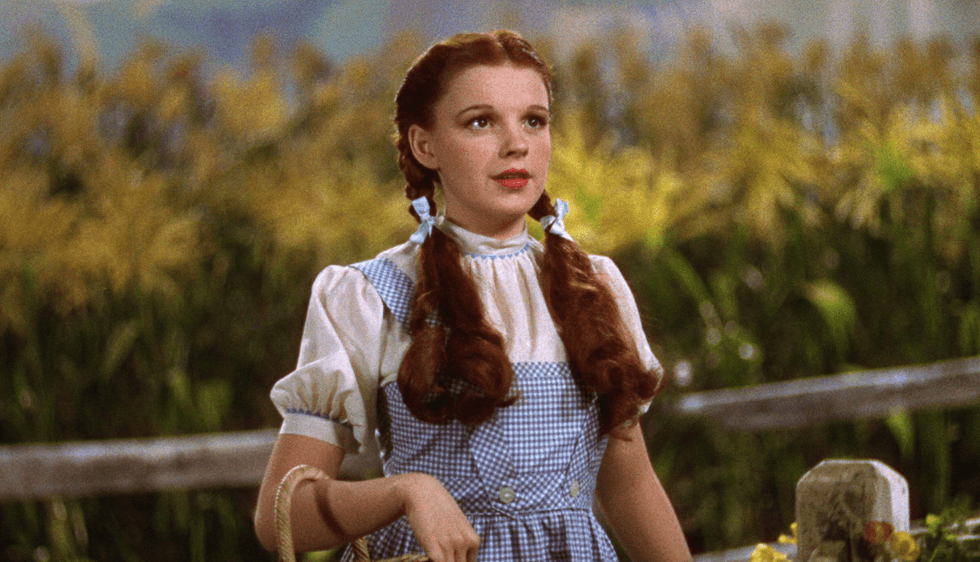 The 'Wizard of Oz' Credit: MGM
The Tale of Two Models
Not all sound stages are created equal. Some are owned by major studios, while others are independently owned and leased to productions.
The current crisis has created a divide between them because their issues differ.
- Studios Can Internalize Vacancy: Studio operators like Warner Bros. Discovery have consolidated internal projects on their Burbank campus and will continue to just expand as needed, or contract, given the studio sale.
- Third-Party Landlords Face Solvency Risks: Private equity landlords relied purely on rental income to pay down high-interest mortgages. When production fell by 30%, their revenue crashed while debt obligations remained fixed. So they sold off stages to the highest bidders instead of trying to get production back.
- The Changing TV Format: Traditional 22-episode broadcast TV series accounted for lots of stage use in the past, but now, it's in decline. Scripted TV shoot days on participating stages keep dropping year after year. This used ot be the lifeblood of all stage use, but fewer episodes have dropped this number irrecoverably.
What This Means for Filmmakers
Okay, maybe you skipped down to what this means for you, and if so, I don't blame you. It's hard to feel sorry for private equity or major studios with billions.
But Hollywood is totally interconnected.
And this stuff actually does trickle down to us.
- Buyer's Market for Indie Stage Rentals: With low occupancy, independent stage facilities are forced to drop rates, waive overhead fees, and negotiate with lower-budget features and pilots that were previously priced out. This is good news for indie people looking for pro stages that they can use at a hopefully lower price. But the bad news here is that as more of these stages close down or get sold off, this is a very limited time when supply outpaces demand. Soon, we may have so few soundstages that this reverses.
- Streamer Infrastructure Takeover: The good news is that some of these soundstages may still be used for movies and TV. Tech-backed studios like Amazon MGM (anchored at Culver Studios) and Apple Studios may pick up distressed properties at historic markdowns. But if the markdowns go low, these tech giants may find themselves bidding against private equity. And also, even if those studios buy them, there mightn ot be a lot left for the rest of us.
The Bottom Line
We need production to come back to Los Angeles. In order to do that, we need a mix of incentives, tax breaks, and people to stop selling off lots so there are places to return to.
This is a perfect storm of crap that we have to get through, but if we can, I think the best days are ahead of us.