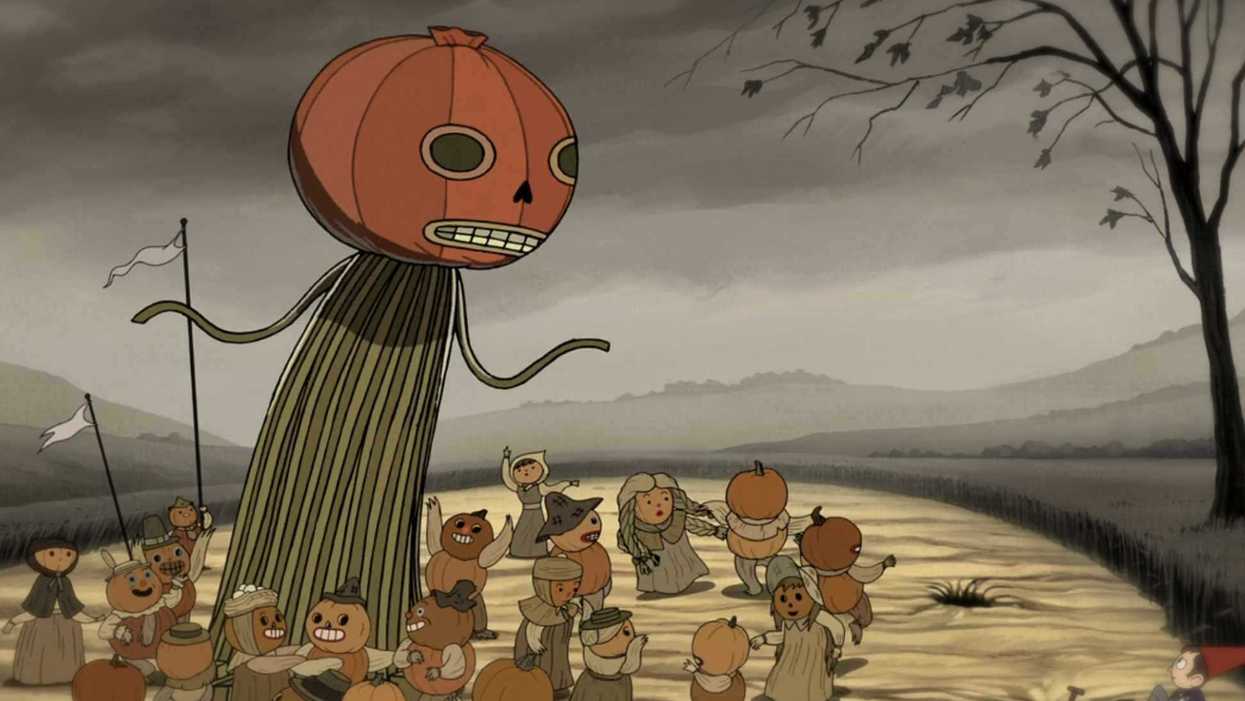
You probably already know everything about foreshadowing. You've probably also heard us talk about plant and payoff, because we love it so much.
But there might not be a better Halloween example of those storytelling elements in action than in the animated miniseries, Over the Garden Wall.
Released in 2014, the show follows two half-brothers through the world of an American fable. Wirt (Elijah Wood) and Greg (Collin Dean) find themselves in a dark wood, unsure how to escape. They meet talking animals, a weary Woodsman, and a dark Beast eager to use their souls to feed a lantern.
But the story has a fairly straightforward starting point that changes everything, once you know it.
Over the Garden Wall's origin story airs as Chapter 9 of 10. Creator Patrick McHale moved it there mid-writing, after he stopped forcing the show into a rigid setup-and-payoff structure. The clues planted throughout the earlier chapters are what make that late reveal feel inevitable.
Withholding backstory can be a great way to surprise your audience, but it needs to feel earned, rather than cheap. You don't want to fool your audience. You want them along for the ride and for the surprise to feel like a discovery.
See more of the foreshadowing below. Spoilers ahead, obviously.
- YouTube www.youtube.com
The First Episode Became the Ninth
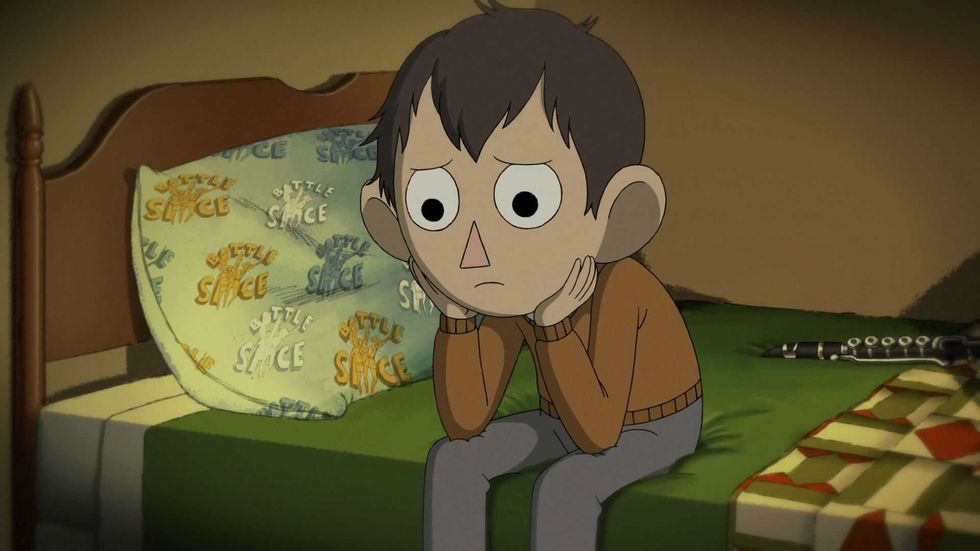
The origin story turns the whole series on its head. These two boys, whom you're perfectly willing to believe are from this world and just happen to wear a wizard costume and a tea kettle, are actually from the modern "real" world. They're dressed up for Halloween.
On Halloween night, they run from police and fall into a river on the other side of the cemetery wall, into "the unknown." The adventure they experience happens as they are drowning (their tasks almost mirroring a Dante's Inferno structure).
This episode originally began the series, until McHale moved it to the ninth slot.
"Originally, the series started with Wirt and Greg in their hometown in the first episode," he told Inverse. "We tried a million different ways to try to get that to work, but it just never felt right. It was better to leave their pasts mysterious at first. We also tried a ton of different ending concepts."
By opening in the strange woods, the show turns its backstory into a mystery the audience wants solved—or, honestly, forgets about. That's a different job from front-loading exposition. The discovery of where and when the characters come from is such a reversal that it makes the rest of the series instantly rewatchable through a new lens.
McHale's inspiration might surprise you.
"I think the final season of Breaking Bad was airing around the time that we were halfway through our writing process, and I was catching up on the show to get my mind off the daily stresses of production. As I watched the show, I started to realize that they weren’t really trying to set up huge plot points so that they could later pay them off—it felt more organic. It felt like they were writing whatever felt right for that moment of the show, and for the characters. Whatever was exciting or interesting or satisfying. I realized you can write whatever you want. So I stopped stressing so hard about trying to structure everything 'the right way' and I finally let the instincts kick in. It’s much better to let the story and characters live and breathe."
For what it's worth, Vince Gilligan's own advice holds both ideas at once. He says to know your ending and plant toward it, and also to follow organic, character-driven instincts.
 'Over the Garden Wall' Credit: Cartoon Network
The Clues Are Still Planted
Knowing the boys' backstory (and where the story would eventually go) helped the animating team plant all the evidence viewers can catch later. If the show had hidden everything, the hometown reveal would feel cheap.
Instead, Over the Garden Wall leaves clues everywhere, and a lot of them show up in the first few minutes. The opening montage of Chapter 1 flashes past characters and places Wirt and Greg won't meet for hours. On a first watch, it just plays as moody, autumnal scene-setting. But as FiveDollarFilms points out, every image is intentional.
McHale told Goodreads that art director Nick Cross animated the entire Episode 1 intro himself.
The clue to the boys' plight is also planted often. Before they ever wander into the Unknown, we see hints of them sinking underwater, FiveDollarFilms points out. That image keeps coming back in different forms. In the Endicott chapter, for example, Greg tosses his coins into the water, where they sink and get swallowed by a giant fish.
"In every episode there is some kind of imagery of Greg and Wirt sinking into the river," FiveDollarFilms says.
McHale had planned to push the motif even further. Among the episodes that didn't survive the cut was one he described to Goodreads. "There was an episode about a town that looks like it's underwater, but Wirt and Greg can breathe fine (foreshadowing the ending)."
The lesson for writers is to give every plant a job in its own moment. The coins imagery might feel like a throwaway moment, unless you know to assign meaning to it. It's a joke on its own, but matters more later. The payoff feels earned instead of telegraphed.
Like the best plant-and-payoff moments, the setup only reveals its purpose once the audience knows where to look.
Why the Late Reveal Matters
It's not only enjoyable for us, the viewers, to suddenly learn more about these characters. It also shows us a version of them we've never seen before.
"The Wirt that climbed over that wall and fell into the river is not the same Wirt who would go into that storm with the frog and look for his brother," FiveDollarFilms says.
Had we met the anxious hometown Wirt first, his story would have been much more straightforward. Instead, we first meet him mildly confused but oddly at peace with his surroundings, with a clear goal to find a way home.
Seeing him late lets the audience measure the change for themselves. That's the case for trusting viewers instead of hovering over them, and for revealing information at the latest possible moment.
If something in your story feels stale, consider shuffling the timeline. What can you hide from your audience to share later?