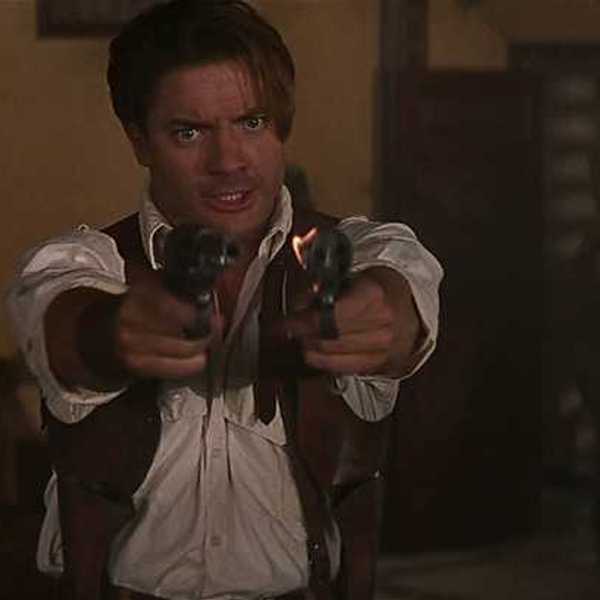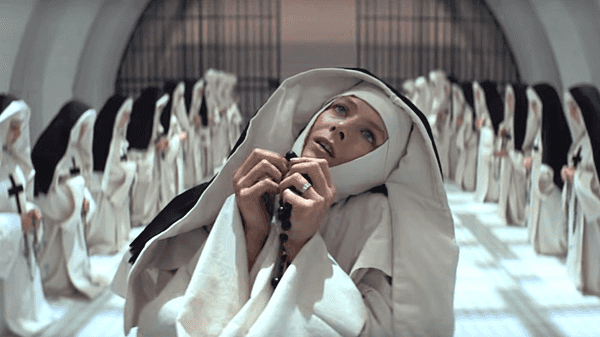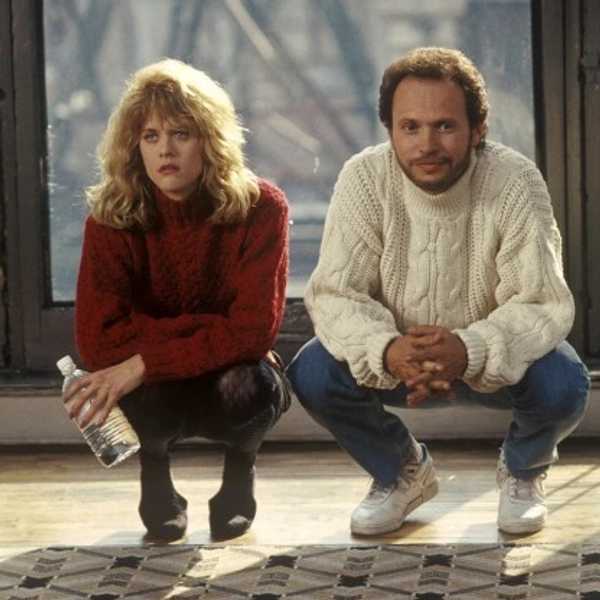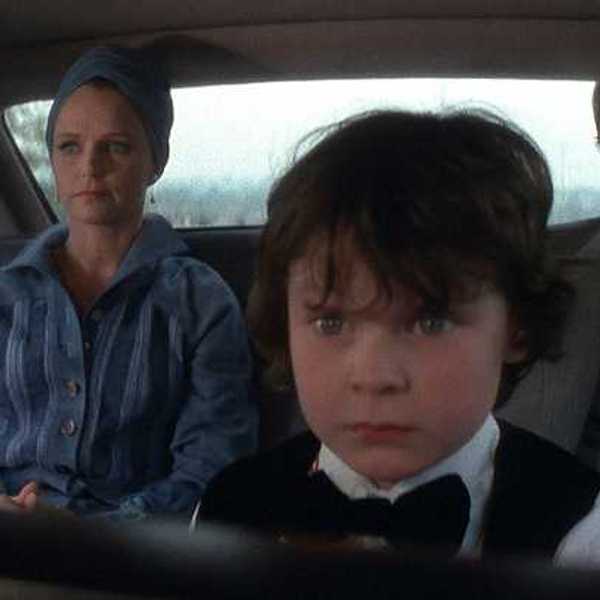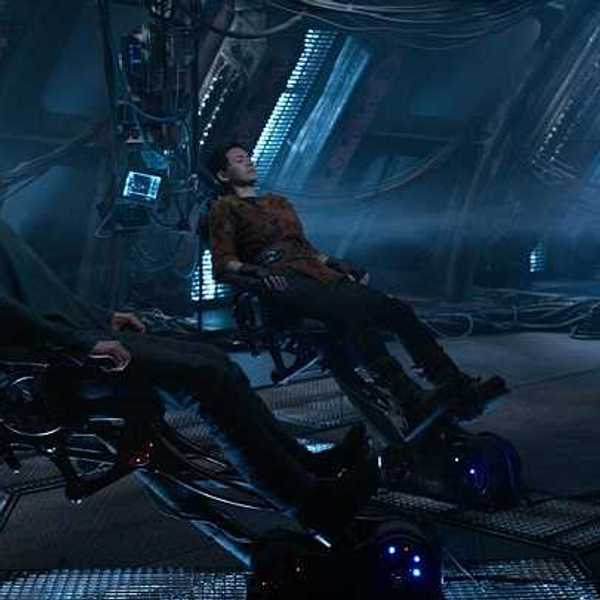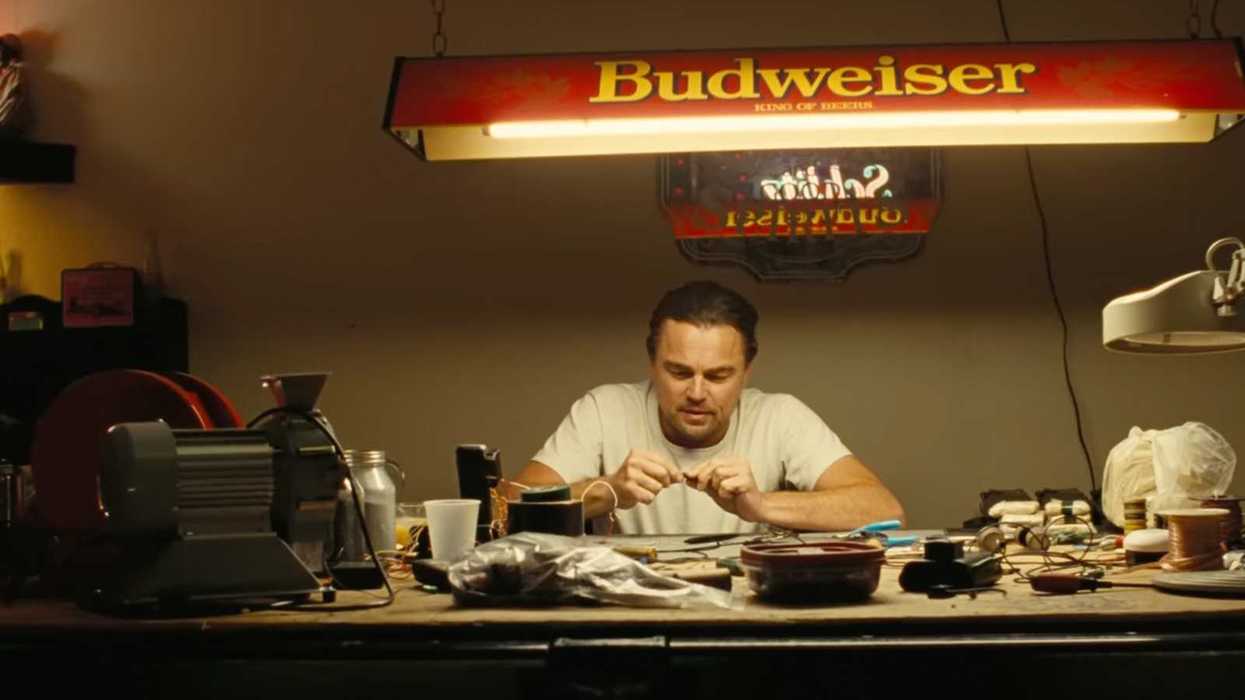
One Battle After Another, Paul Thomas Anderson's action drama, shot by cinematographer Michael Bauman in VistaVision, is one of the best-looking films in recent memory. We've written about it at length here. Obviously, there's a lot to learn about the style and technical finesse of how the film was shot.
But cinematography YouTuber cNOMADIC (Chris Tinard) took a different pass at the film, zeroing in on how Bauman uses practical lights as the foundation of an entire exposure strategy. If you're running into issues with your practicals, check this video out and learn how Tinard recreates some of the moody lighting we see in One Battle After Another.
- YouTube www.youtube.com
Expose for the Practical, Not the Room
The default approach when you're shooting on location is to expose for your subject. Get the face looking right, and see what the rest of the frame does. Figure out from there.
What Bauman does in One Battle, and what Tinard identifies as the film's biggest lighting logic, is to reverse that priority. The practical is the anchor. You build your exposure around it, then shape everything else in relation to it.
"They're often driving the entire exposure strategy," Tinard said. "They're building the image around the practicals."
And why would they do this? To achieve a moodier, higher-contrast, more unique image. The movie is all about operating in secrecy and bringing things to light, so it's thematically resonant, too.
Once you start watching with that in mind, it's hard to unsee. The practicals in One Battle include lamps in living rooms, neon phone booths, and fluorescent fixtures that all glow. And that's because everything around them has been pulled down.
Lower the Room to Make the Light Matter
Simply put, a lamp looks bright when the surrounding room is dim. On a production Bauman's scale, you can swap out bulbs for more powerful versions and have the crew shape the environment precisely. But Tinard's point is that this scales. The mechanism is the same whether you're on a $130 million Warner Bros. production or shooting in someone's kitchen. In both cases, you're controlling the contrast.
To demonstrate, Tinard shot comparison scenarios in his kitchen near a window.
With a standard ambient light flooding the room, the image looked really flat. So he turned it off.
With the big light off, he had practical light coming from the window and the light over his sink. However, that light over the sink registered almost nothing on camera. You could barely tell it was on.
Once the room light was cut and an ND filter was added to the lens to pull the overall exposure down, the same bulb started doing useful work in the image. You can see the bulb, and it feels like it's the main practical light source.
"In that way, that bright point becomes even brighter," Tinard said, "because you made everything else look darker."
If natural light through a window is competing with your practical, an ND window gel on the window cuts that source down without blocking the view outside, which matters for realism. Tinard tried a silk and found it turned the window into a white void. The ND gel holds the outside world while reducing the light coming through it.
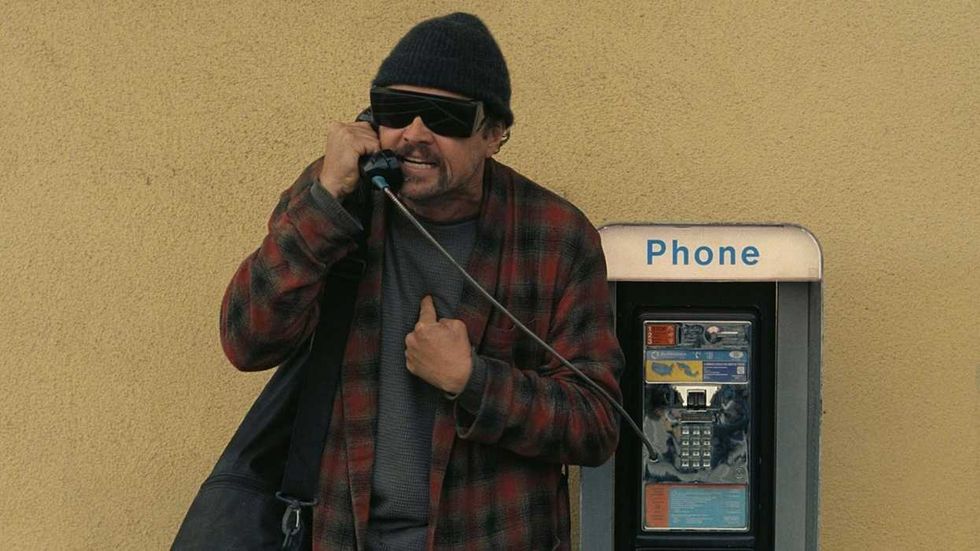 ‘One Battle After Another’ Credit: Warner Bros.
Use White Balance as a Mood Tool
Adjusting white balance can further influence the image's temperature.
In the scenes from One Battle that Tinard analyzes, there's often a mix of warm interior light and cooler exterior light, and that contrast is used intentionally. The interior feels warmer than it physically is because the camera's white balance has been pushed toward the warm end, which makes the outside read bluer by comparison.
We've looked at this kind of intentional color temperature tension in a cinematography context before. It gives the image dimensionality that neutral lighting can't manufacture.
In the kitchen demo, the practical bulb started at 5000K, making it a cool, bluish light. Matching the camera's white balance to it produced a flat, neutral image. Pushing to 7400K shifted the image warm, made the practical read like a cozy incandescent source it wasn't, and turned the window blue by comparison. The camera setting changed the story the light was telling. Tinard ended up with a much more dynamic frame.
NDs Give You Room to Maneuver
One tip Tinard models throughout is keeping an ND on the camera, even indoors. And it's because of those pesky windows. If a cloud moves through and the light shifts, having an ND already dialed in lets you quickly compensate up or down, keeping the same contrast relationship between the room and the practical. Without it, any change in window light forces a camera adjustment that can break the look you've built.
Managing window light against an interior is one of the most common ways beginning DPs get tripped up. One source tends to swamp the other. An ND on the lens, or a gel on the window, gives you independent control without having to touch aperture or shutter speed.
 'One Battle After Another' Credit: Warner Bros.
Swap the Bulb When You Can
Everything above works with whatever practical is already in the location. But if you can replace the bulb, do it. Tinard swapped the kitchen sink fixture for an Aputure smart bulb, which allowed direct control of color temperature independent of the camera and simplified everything downstream.
These bulbs aren't enormously powerful, so Tinard ran it at 100%, but being able to dial in the temperature rather than compensate for it in-camera made a meaningful difference to the final image.
The full approach stacks. Lower the room, expose for the practical, push the white balance in your preferred direction, add selective light to bring your subject back, and manage the window if you have one.
Each step is available at virtually any budget level. It's all about thoughtful lighting.
"Using practicals can do more than add visual interest," Tinard said. "They can establish mood, guide the viewer's eyes, and provide the foundation for every lighting decision that follows."