Breaking Down the Epic Car Chase in Paul Thomas Anderson’s 'One Battle After Another'
Those rolling hills brought a lot of dread and emotional angst to the end of the film.
'One Battle After Another'
Almost every year, around Oscar time, we get a ton of these video explainers that go over different scenes or analyze the themes of the year's top movies. But this year, everyone is talking about one sequence from one movie:
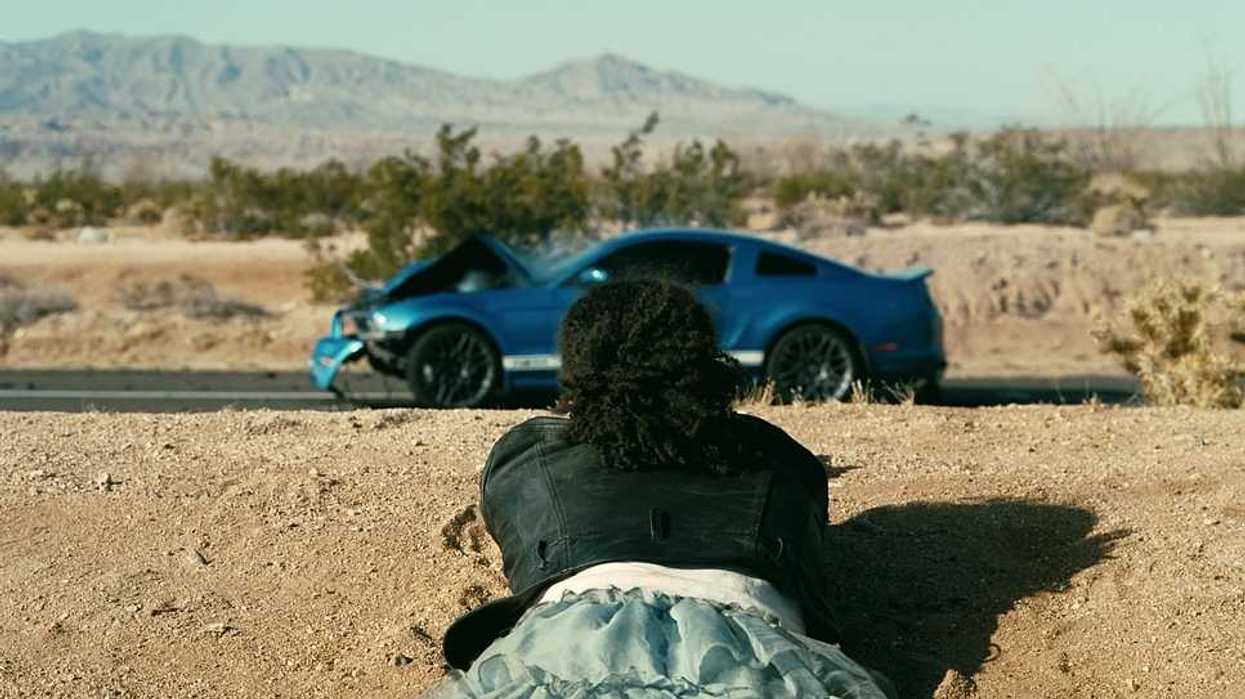
The hilly road scenes from One Battle After Another.
And that's for good reason. In the world of modern cinema, few filmmakers command as much respect for their commitment to craft as Paul Thomas Anderson (PTA). So when we want to understand how he directed and shot the best scene in movies this year, we want to hear it right from him.
Let's dive in.
- YouTubewww.youtube.com
The Heart of the Chase: Character Agency
At its heart, the film is about the relationship between a father, Bob, and his daughter, Willa. The whole movie is scaled as a story for tearing them apart and bringing them back together.
And there are a lot of bumps in theory, both figuratively and literally.
At the end of the movie, the car chase changes everything.
Willa finally "seizes control of her destiny," and Bob finally learns that his kid can and will do what's necessary to take care of herself.
In the video, we hear PTA and the cast and crew talk about how the pursuit provides the thrills, but happening simultaneously, we see that the true "North Star" was showing Willa’s bravery as she fends for herself, turning her into the story's real hero. It's real character development in the face of danger and action.
The "River of Hills" As a Metaphor
Everyone is talking about this scene and the river of hills. I loved watching those cars flow, and I had to see the movie a few times before I could detach from the story and think about the themes it represented.
It seems like it was the same for PTA and the cast.
The whole idea for the sequence came from a serendipitous scouting trip in the Anza-Borrego desert area. They were looking for a different location, but the team found a stretch of undulating road they dubbed the "River of Hills".
From there, it went like this:
- The Concept: The road acts as a metaphor—you never know what is over the horizon.
- The Danger: Driving at 75–80 mph, the cars constantly disappear and reappear behind the "dips" in the road. As the crew noted, "You might as well just close your eyes and cross your fingers".
- The Texas Dip: The sequence culminates in a massive drop known as the "Texas Dip," which provided the perfect visual punctuation for the film's finale.
Capturing the 1970s Aesthetic
PTA is famously a purist, vowing to "shoot film until his dying day". And when he was making this movie, he studied a lot of '70s movies, and cited The French Connection as a major influence.
That movie has a massive car chase in it, maybe the greatest car chase of all time, so it's a good model to use when planning your own.
The team employed several unique techniques to make sure they got an epic look and feel out of those hills and this sequence.
- Vista Vision: They used this high-resolution format, traditionally meant for static shots on tripods, in a highly unconventional way—handheld and attached to bouncing cars.
- Real Stakes: There were no "stunt elves." PTA insisted that the actors do all their own driving and fighting to ensure the tension on screen was authentic.
- Lens Craft: The team carried over 40 different lenses, many tuned specifically to avoid the "clean" look of modern digital sensors, favoring texture and grain instead.
The Sound of Tension
The thing PTA does so well is that he knows it can't just be visuals. Film is so powerful because it can use sound with it to shake you.
And this sequence PTA describes as the "triangle" of sound, music, and editing. All of it comes together to make it a success.
So, what sounds stand out?
- The Engines: Each of the three cars was given a distinct sonic character. Bob’s Nissan, for instance, had a persistent "buzzing" that reflected his tenacity.
- The Silence and the "Ding": To heighten Willa’s anxiety, the sound team included the persistent "dinging" of an unbuckled seatbelt and the sound of her own nervous breathing.
- The Music: The score builds the tension from the moment Willa first gets the keys, with percussion kicking in as the chase begins.
Summing It Up
The filmmakers believe that the "movie gods" only hand out gifts when they see you working for them [12:57]. After years of development, the organic discovery of the "River of Hills" provided a finale that was both cinematically dynamic and narratively satisfying. It’s a sequence that leaves audiences with their "stomachs catching," proving that with enough focus and a commitment to film, the old-school ways of moviemaking still offer the most thrills.