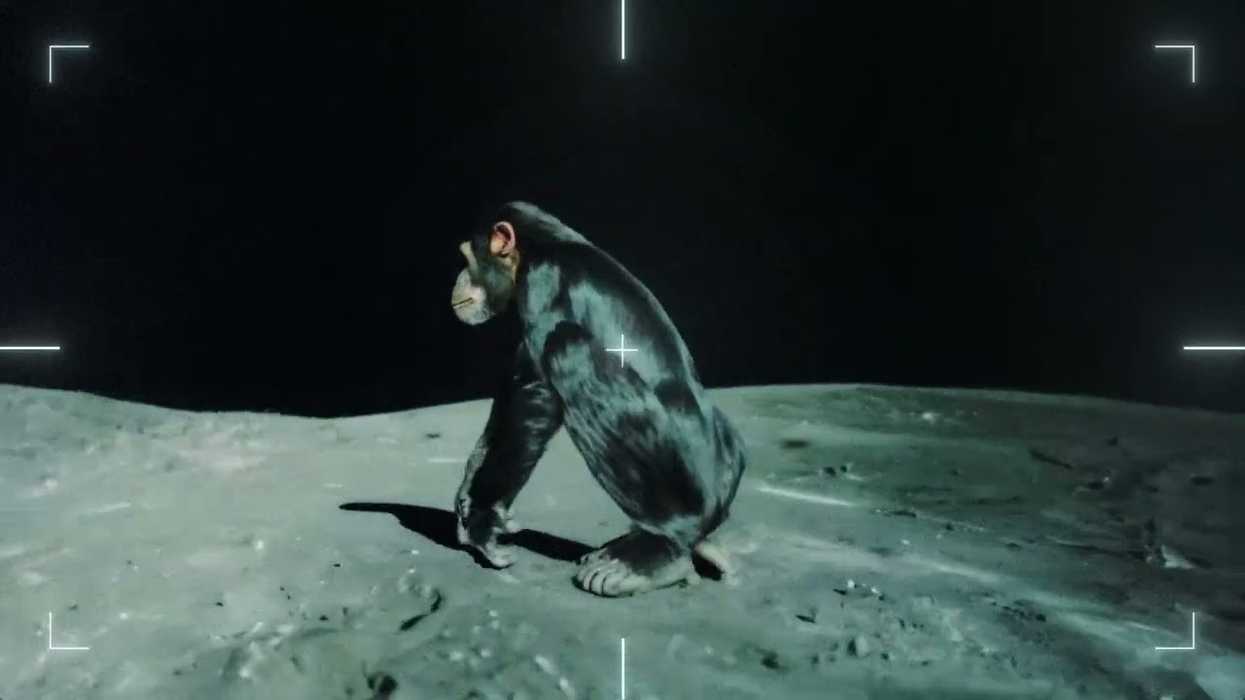
As the AI revolution continues to grow, the generative AI video space is still primed to be perhaps the most significant arena for the battle over intellectual property. As we’ve seen with major studios suing Midjourney over copyright claims, as well as the general debates surrounding training data and ethics, the quest to find a sustainable way to champion AI video generation is still hotly contested.
Moonvalley, which we’ve covered in the past, aims to bring the first ethically trained and commercially safe AI video model to the market. Initially released as a test run, Marey—the aforementioned ethically trained AI video model—is finally ready to be released live to the general public. Here’s what you need to know.An AI Video Model Designed for Filmmakers
Unlike many AI video models, which seem to be clearly designed for non-creatives looking to supplement creativity for their projects, Moonvalley’s foundational AI model, Marey, aims to meet the standards of world-class cinematography.
Designed for filmmakers who are looking for precision in every frame, Marey promises to deliver the control, consistency, and fidelity needed for a professional filmmaker looking to create pro-level cinematography.
Billed as the “world’s first commercially safe video model,” Moonvalley confirms that Marey has been trained only on licensed, high-resolution footage that does not include scraped content, user submissions, or legal gray zones.
Full Directional Control
Similar to some director controls found with AI models like Runway, Marey has been designed through a collaboration between AI researchers and filmmakers to deliver creative controls that should meet the usual standards of professional directors.
Users will be able to create cinematic camera moves using just a single image. Marey can transform any 2D scene into a 3D environment so users can direct the camera as if they’re on set. The AI will further mirror real production workflows as it should be able to provide the precision and responsiveness to shape each frame with intent and authorship.
Here are some of Marey’s core capabilities available here at launch:
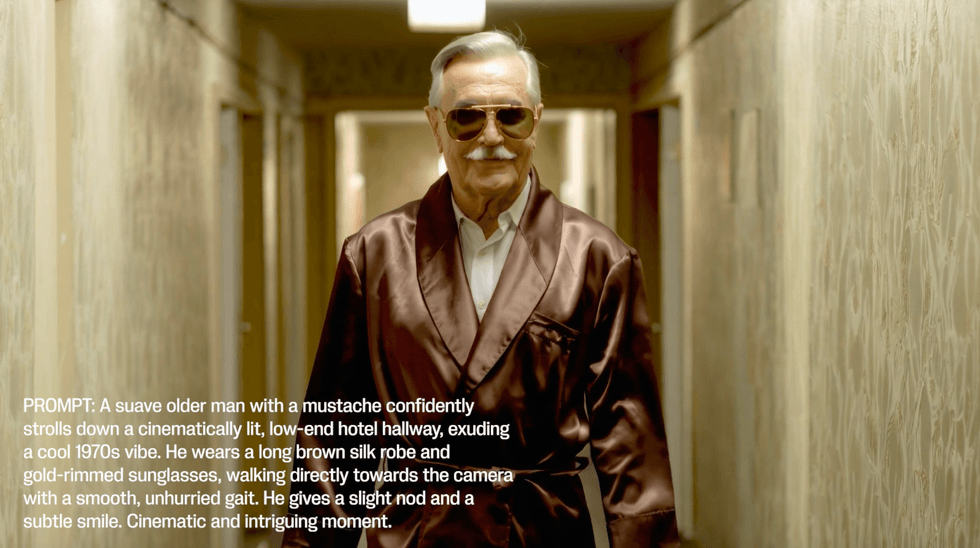
- Text-to-Video: Text prompt a video up to 5 seconds.
- Image-to-Video: Upload an image and reinforce with text to create a video based on your image.
- Trajectory Controls (fka Motion Direction): Draw motion directly on frame for intuitive action.
- Camera Control: First of its kind camera controls for AI video. Animate cinematic shots from static images or retarget an input video.
- Motion Transfer: Apply the movement from any source video to drive the motion for a new video
- Pose Transfer (fka Pose Control): Direct performance with subtle gesture and emotion.
- Reference (fka Multi-Reference): Upload multiple images as references for subjects and objects that become the ingredients for your generation.
- Keyframing (fka Multi-Keyframing): Animate scene-changes over time, and generate “in-between” animation between multiple keyframes.
- Shot Extension (fka Temporal Extension): Takes the existing motion context of a prior video and extrapolates to extend the length of a shot.
Price and Availability
Moonvalley, which was founded by DeepMind researchers, is looking to make waves in the film industry. Its AI film studio, Asteria Film Co., which was co-founded by filmmakers Natasha Lyonne and Bryn Mooser, is advising Moonvalley on Marey’s development.
If you’d like to try out Marey yourself, it’s available on Moonvalley’s website with plans available to filmmakers on subscription tiers starting at $14.99 a month.
- How Good is Sora Actually? An Interview with the Filmmakers Behind "Air Head" ›
- Learn How AI Artist Paul Trillo Created the First Sora-Powered Music Video ›
- 400+ Hollywood Filmmakers Fight Back Against AI Copyright Rules ›
- A Solo Video Professional’s Quest to Make AI Actually Useful ›
- How DeepSeek Might Shake Up the Generative AI Video Industry ›
- Meet “Marey,” a Clean and Ethically Trained AI Video Model Here to Reshape the Industry ›
- Here’s How This Free iOS App Can Turn Your iPhone Into a Mini Virtual Production Studio | No Film School ›
- Could This Latest Midjourney Lawsuit Spell The End For Generative AI Video As We Know It? | No Film School ›