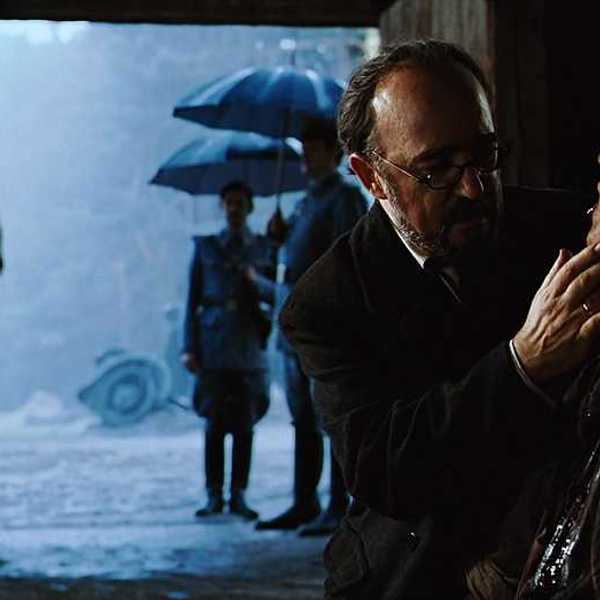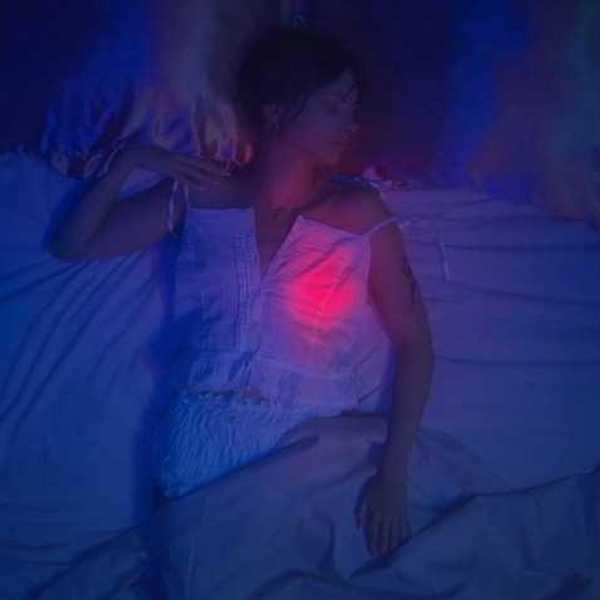
Meagan Coyle spent almost a decade watching directors work before becoming one herself.
She spent nine years as a makeup artist on indie film sets in New York, observing creative decisions from behind the monitor. Now she's debuting her first short film as a writer/director at Sundance in the Midnight Short block.
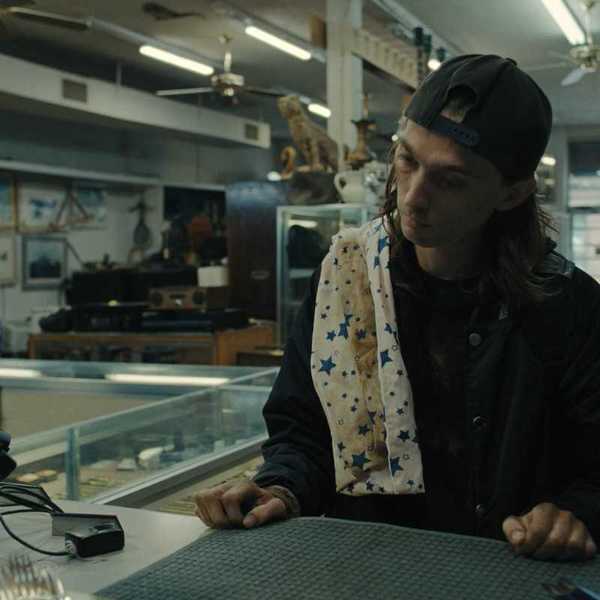
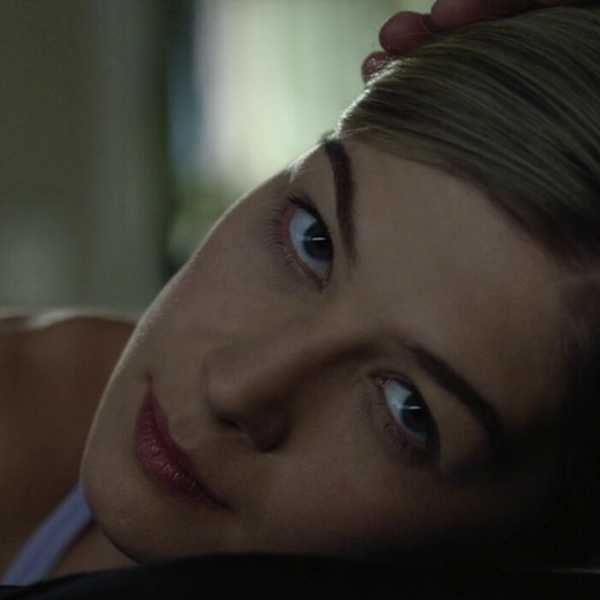
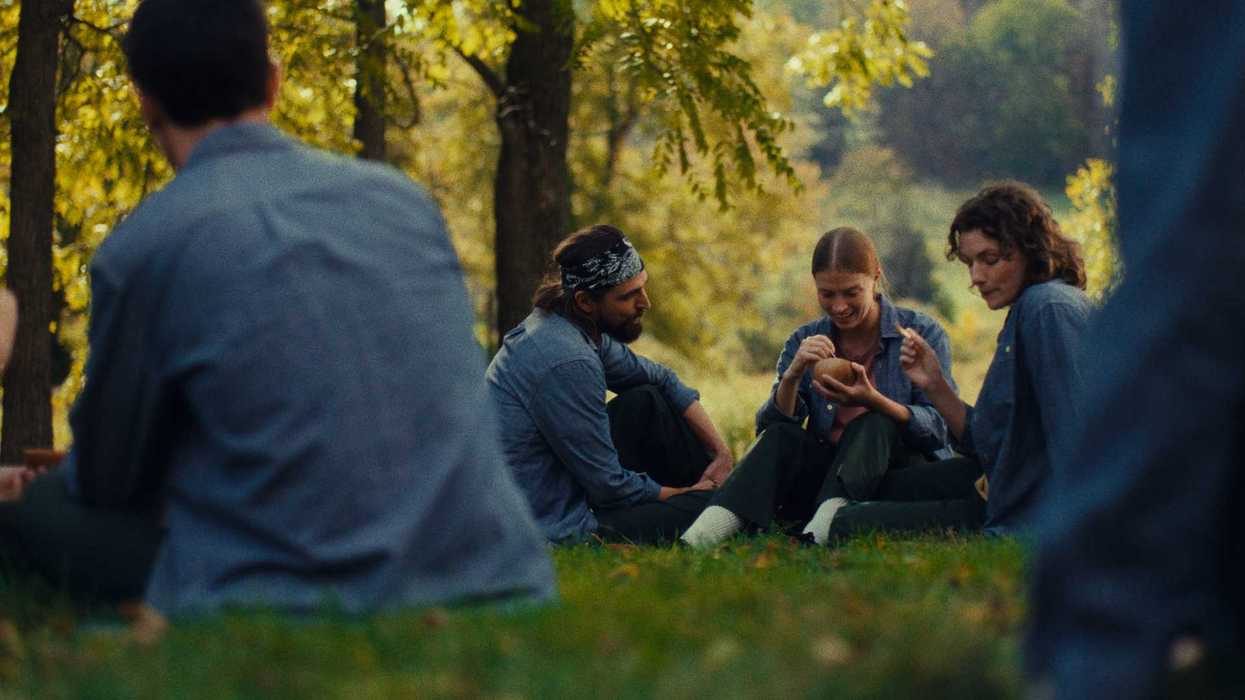
Prime started as a comedy about veganism, but evolved into something darker and stranger. It follows the lead character, Claire, as she visits what appears to be an idyllic wellness commune, where the bright daylight and optimistic atmosphere gradually reveal something more unsettling.
This is Coyle's passion project. Ahead of the festival, we hopped on Zoom to talk about condensing feature ideas for a short proof-of-concept, killing your darlings, and what she learned from her first time as a director.
- YouTube www.youtube.com
Editor's note: The following conversation has been edited for length and clarity.
No Film School: This started as an almost comedic story about food choice and veganism, but I'd love to hear about how that concept was developed.
Meagan Coyle: So I'm a makeup artist, and so I'm kind of coming at it, making a film, coming from that world where I've spent a lot of time on set. And when I was sort of thinking about a movie that I wanted to make, I guess a few things. So I was on a movie once where it was just a lot of vegetarians, and there weren't as many meat eaters, and someone was just like, "Oh, is this your meat meal?"
And I got so weirdly defensive where I was like, "I only eat it sometimes, and I just need the protein in that way, and I can't have that much spinach and whatever." And I walked away from it like, "What was that? Was I being such a weirdo about it?”
And that kind of got the ball rolling. I think it's a privilege to be able to choose what you eat, and not everyone has that privilege. And I think it's amazing that some people can be snooty about food like, "Oh, I wouldn't eat that because it's not farm-raised, or it's farm-raised salmon, not wild caught," or whatever the thing is.
And I think the comedy to me comes from me thinking that people are inherently ridiculous, myself included. And we live in a world where people are starving, and we live in a country where there are food deserts. And if someone's really hungry, you're going to eat what's there. There's no space to be snooty or you're not going to starve to death because something has a lot of sodium in it or whatever the thing is.
So that's kind of how it started. And I do think that this movie still is a comedy to me, but maybe just not as much. I wanted everything to be really played straight and very grounded in reality. And hopefully, there are things that you don't know if you should be laughing or not.
No Film School: Short films are very difficult. They're difficult to write. What about this idea said to you, "This would be great for a short film," in terms of the format and the time restriction?
MC: That was a great exercise for me because I was always writing this to be a feature. And if it's like, "Oh, make it as a proof of concept." But then the kind of grander ideas I had, you just don't have the time to do that in a short. I was like, "Well, this could be just Claire's story and Claire going to this place."
And I give audiences a lot of credit because they're smarter sometimes than we give them credit for, because, especially in a short, you have a little bit of leeway with being a little bit weirder with how you present backstory. And sometimes you don't need that much backstory, but then you get in the edit, and you're kind of like, "Well, then why do we care about this person?" So it was a lot of editing and taking stuff back.
And I did have the luxury because it's a passion project. I had all the time in the world to write this thing and rewrite it and rewrite it and rewrite it. So there was a lot of on the day like, "Okay, well, we're losing light, and it has to be shot from this. " So literally taking a Sharpie—we actually don't need any of this because she says this back there. And just being really brutal with how can we tell as much of the story that makes sense and keeps people entertained while still kind of getting across some of the themes that I wanted to get across.
 Prime Credit: Meagan Coyle
No Film School: Proofs of concept often deal with really big ideas, and you have all this stuff in your mind that you want to get to, and you can't include. Was there any consideration of how much to give away, what to include, and what to save for your feature?
MC: That's really tough because there was also a world where this is the only version of this, right? So there were times where it's like, "Oh, I want to save that, " but it's just like, "Well, why?" If I'm making it, I'm making it, let's go.
So there was definitely some of that where it was just, "Oh, I'll keep this behind." But I think changing some of the bigger aspects of it that I had in mind from the beginning and making it just about her story freed me quite a bit.
And you get so stuck on these ideas, and I think talking about it with people and people that I trust who are in the film industry and showing drafts to people and asking pointed questions about, "Well, did you think this or do you think I can get rid of this? " And them being like, "Yeah, I didn't even think about that, and I didn't want to think about that. You don't need that."
You get kind of stuck on these ideas. There's the expression, kill your babies, kill your darlings. And there's really a freedom in that.
I will say too, quite frankly, calling this a passion project, I was at the mercy of, especially in post-production, if someone gets a job, take that job. Or if I get a job because that's going to help me pay that person, I've got to take the job. It was actually really nice to be able to step away for a month, work on a movie, and then come back to it, and then just be like, "Actually, I don't need these two minutes. I don't need it. It's very beautifully shot. My DP is a beast, but we don't need it. " And it felt good to watch those minutes go down.
I think the script was maybe 23 pages, 22 or 23 pages. And in my mind, I was like, "I just want it to be under 20." And people were like, "Well, why 20?" It's like, "Well, I want to submit it to festivals and shorter the better." And also, I generally don't want to watch a short that's over 20 minutes. It doesn't feel so short to me, and it's embracing the challenge, I guess, is where I was coming from.
There's a world where this could be 10 minutes, but then it wouldn't have time to breathe. And I think that this is a short that needs that breathing time. So it's hard when you're so time-focused, but also, what's going to make the best movie? There were times where when I came back to it, I'm like, "Actually, this part is kind of dragging. It's not so interesting to me anymore. And let's just cut it. " And I think that that served it well.
 Prime Credit: Meagan Coyle
No Film School: The short is beautiful. The color is great. It has a glow to it. How did you end up on that look even though the subject matter's a little bit darker at times?
MC: I think movies like Midsommar, Wicker Man, and Texas Chain Saw Massacre, a lot of it's during the day. And I think these movies, there's a lot of horror in the daylight and I just wanted it to feel so bright and so optimistic until it's not because in some of these things, I'm trying so hard not to give stuff away, but I think sometimes people, I always go back to a frog and a pot of boiling water and it's like, ooh, this is like a toasty little bath for a while. It feels really nice, and it feels warm. And then all of a sudden it's spoiling. So it's like the end was always going to be at night, where it's like the darkness comes, and you want people to feel cozy and optimistic and bright.
And that kind of brings something a little bit more unexpected to it later because you think it's just going to be like these hippies just having so much fun together, and then it turns into something different.
No Film School: You mentioned your experience on other sets. How do you feel that experience in other departments helped you take this on as a first-time director?
MC: Oh my God, first of all, it wouldn't have happened otherwise. I think being behind the monitor as a makeup artist on set, you're kind of a fly on the wall for a lot of just watching really talented people troubleshoot stuff and trying to make it happen. And you're glued to the monitor, and you're watching different takes and how slight differences can completely change the veracity of what you're watching.
Also, just being so far below the line and having empathy for other departments and wanting things to be as easy and black-and-white as possible for people, where there's no guesswork.
If anyone had any questions, even if inside I'm freaking out and like, "Oh my God, I got to do this thing” ... When any department head had a question for me, I really tried hard to be laser-focused on what they're doing, because I've been in that situation where I know the director is running around like crazy and I'm just like, "If I could just talk to you for 45 seconds, I'll be so much more prepared for this next thing." ... I always just wanted to be open for people to talk to me or clarify something.
And also, not for nothing, but write a script where there are very little questions about what I might want. So you talk with people beforehand, and you have all the time in the world for pre-production, but then when you're on set, I wanted to be as clear as possible.
So then there's not as much guesswork, but also leaving breathing room, especially on a passion project where it's just like you want people to bring their spin on things and bring their opinion and have them have some time to play as well. So I'm referring to it as like having the fence around the playground, but there's still a playground there. And there are still certain things you can do within the playground, but there's a swing, and you can swing, but maybe you might swing on your belly or something like that. I could probably go pretty far with that analogy.
 Prime Credit: Meagan Coyle
No Film School: Is there one thing that you learned on this shoot that you're going to take forward into your next project?
MC: No, everything was really easy, and I didn't learn anything. [Laughs]
I was so concerned with the comfort of my crew ... We shot it on location in upstate New York, and people were donating a lot of their time. They're not getting paid. And there were sometimes things where I wanted to ask people to do something. It's not like I was like, "Oh, go jump off this bridge," but it was just like, "Oh, that might put them out a little bit."
And I didn't ask, when, honestly, they want to make the best movie as possible too, so what would it hurt to ask? And there were a couple of times where that happened. And honestly, there were a few days on this set, I think three of the five days we ended early, and I kind of sat with myself, and I'm kind of just like, "Well, what didn't we do?"
And I think that one thing that I would take with me the next time is, you have your shot list, you have your schedule, you have all this stuff, but I think maybe on the backside of that paper, I would have another couple ideas that I would want to throw out there to be like, "So I'm ready when we have this extra time and the light is beautiful.
And that happened, there was this one scene where the light was different, so we couldn't film more of that. And I'm like, "All right, well, let's get some B-roll." And Anita was amazing, and I was just like, "Get on that log and just start doing yoga. Let's just see how that goes." And she did. And then there were some more talent just by crafty. And I'm like, "Hey, you guys want to be in this scene?" And they did.
And I think that I want to do more of that because we ended up using all that footage. And it was so last-second and ... I feel like you can tell when talent is having fun with it and when the crew is having fun with it. And I think that I would be more ready for those instances just to try things because you never know what's going to end up in the edit. And when you're on set, you just want to have as many options as possible because you don't know what shape the story is going to take.
- How to Maximize Your 0.74% Chance of Getting Into the Sundance Shorts Program: Exclusive Q&A ›
- Bringing Mexico’s Vibrant Culture to Life in Sundance Short Film 'Susana' ›
- How This Filmmaker Turned Stock Animations into a Sundance-Worthy Short ›
- What’s the Point of Short Films? Three Sundance Filmmakers Share Their Opinions ›
- 45+ Sundance 2026 Films That Were Made Using Blackmagic Design Cameras and Tools ›
- What 'undertone' Editor Sonny Atkins Learned Cutting Horror ›