Why Filmmakers Love Neon Lights (And How to Make Them Look Cinematic)
Pro tips to help you shoot neon lights on film.
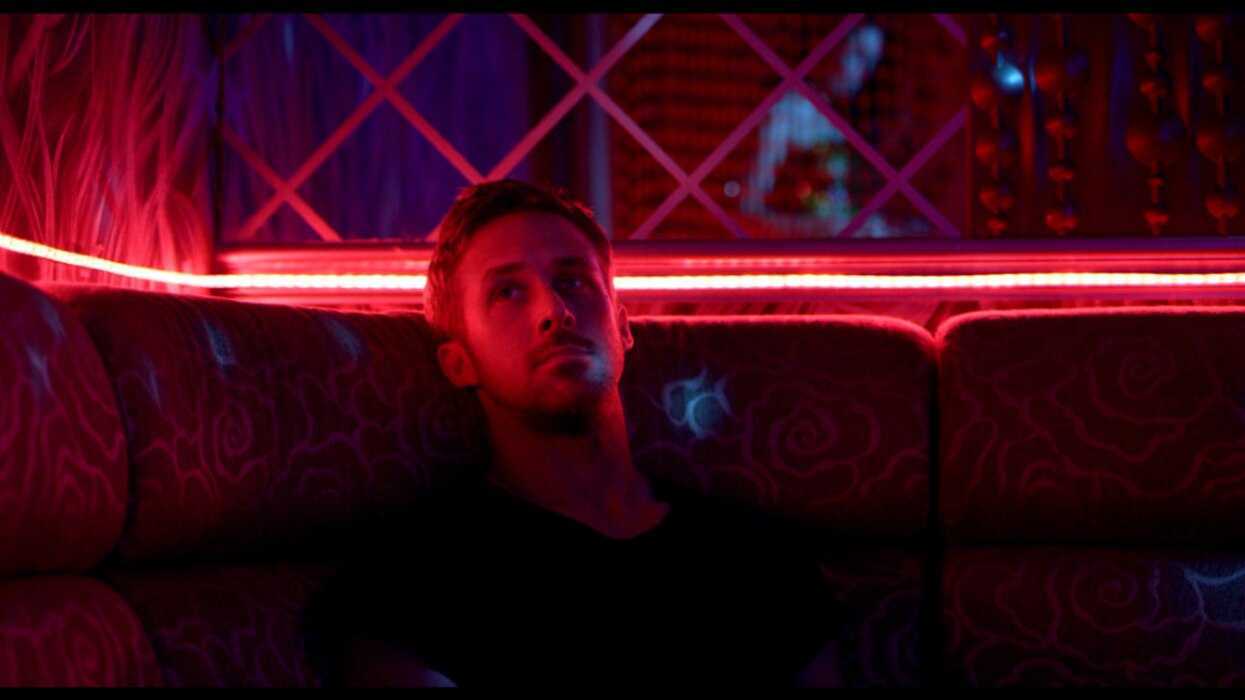
'Only God Forgives' (2013)
Even those who may not have any idea of cinematography or filmmaking as a whole wouldn’t miss the undeniably mesmerizing quality of neon lights appearing on screen. Its vibrant and electrifying colors have a fiery presence that elevates a film’s wow factor and commands attention.
From the rain-drenched dystopian streets of Ridley Scott’s Blade Runner (1982) to the enigmatic and moody underworld of Nicolas Winding Refn’s Drive (2011), neon lights have remained a powerful cinematic tool.
Neon colors amplify the emotional intensity of a film, evoke a sense of mystery, and draw audiences into the filmmaker’s world like few other lighting techniques. So, what are the best ways of capturing the neon look on camera?
Let’s jump in and explore.
Why Neon Lights Look Great On Film
Before we dive into how you could best shoot neon lights, let’s take a look at why neon lights look great on film and how they could elevate your story.
Unique Vibrancy
Neon produces vibrant intensity through its colors that stand out dramatically against dark, shadowy backgrounds. Because the colors pop strongly, this look appears vastly different from the typical high-contrast visuals we are accustomed to watching in the movies.
Futuristic Appeal
Neon lights can give your film an elaborate, futuristic feel. Interestingly, this is combined with a retro charm, likely thanks to sci-fi films such as Blade Runner, which strongly conveyed futuristic ideas while maintaining a rustic foundation.
Urban Storytelling
If your story’s primary setting is urban, neon lighting can stylistically enhance cityscapes and nightlife while helping you isolate your principal characters from the crowd. It can also create a feeling of alienation by depicting the vastness of the setting and creating a mystery about your protagonist’s presence in it.
Light Play
Under neon lighting, even the most simplistic aspects of your frame can be elevated with style and moodiness by avoiding unnecessary flamboyance. For example, reflections on wet surfaces, glass windows, and other shiny materials can create an ethereal and immersive atmosphere.
Unique Identity
Regular movie-going audiences aren’t going to jump into the specifics of your lighting decisions. What they will remember, though, is the unique visual identity of your film. They will remember how the colors popped, how the glass shone, how the shadows looked mysterious, even if they are unable to understand what exactly you’ve done.
- YouTube www.youtube.com
8 Pro Tips For Shooting Neon Lights The Right Way
What are some tricks that could help you shoot neon lights in the best way possible? Let’s get right into it.
1. Magic Hour is Even More Valuable
You must have heard about the “magic hour” or the “golden hour” many times if you’ve been interested in photography or cinematography. While shooting with neon lights, the magic hour can make colors pop more vividly by creating an overwhelmingly sharp and moody contrast. The ambient lighting at this hour is perfectly balanced, and shooting at this hour can help you avoid the black voids of a full night while not compromising on the moodiness you wish to capture.
2. Consider Stability
Capturing neon lights would require long exposures in photography, making stabilization a priority. Make sure you use a sturdy tripod. In terms of filmmaking, a gimbal or any other kind of stabilization will help you achieve smooth tracking through neon-lit areas while preserving the ethereal glow.
3. Low-Noise Cameras and Fast Lenses
To effectively capture the neon glow, make sure you use cameras that perform well in low-light conditions. Additionally, select fast lenses with wide apertures for light considerations and to create a shallow depth of field. This is especially important if you plan to isolate a character from the world around them. Even if this isn’t your plan, the whole idea of using neon lights is to ensure that they add value to your frame, which most likely will take place in darker conditions, making both low-noise cameras and fast lenses important.
4. Play with Underexposure
Neon lights perform better and look much richer when they are slightly underexposed as opposed to when they are too bright. This preserves the vibrant intensity of its colors, which is likely to work in your favor.
5. Use Contrast to Your Benefit
Colors will pop more if they are set against backdrops that are more subdued and dark. This makes capturing contrast an important part of your plan. If you want the neon glow to come through in all its charm, ensure that you create strong contrasts that make it more noticeable and give your film the look you are striving for.
6. Add Elements that Elevate the Mood
If you’re going for a specific neon glow, you would want to add elements to your framing that make its presence felt. For example, if you have a scene set on a street, try to angle it in an area that has more glass windows or surfaces that capture neon reflections. Wet surfaces are effective in depicting strong neon reflections in a very crafty manner. Simple things like a puddle on a rainy street can do this for you quite beautifully.
7. Monotony Can Have a Nullifying Effect
You might create the most stunning neon-lit frames, but if you use the same tools multiple times, often without reason or a feeling of some kind of evolution, it may have a nullifying effect. What I mean by this is that you should not overuse any lighting techniques, regardless of how good the frames look. Try to use them differently in different scenes, even if you repeat the same location.
8. Be Mindful of the Overall Atmosphere
This isn’t a technical tip, but a creative one. Sometimes, we are likely to be drawn into creating a specific mood while not being mindful of the story’s overall atmosphere. In which parts of the film do you need neon lighting? How can you use it to deepen certain specific moments?
- YouTube www.youtube.com
Final Thoughts
Neon lights can help you create a timeless visual language that not only creates a mysterious and enigmatic atmosphere but also acts as a reflection of your patience and intent as an artist. Movies that have leveraged neon lighting well have portrayed visuals that remain sharply in our memories.
What, according to you, is a film that used neon lighting to perfection? Tell us in the comments.