How do you make a comedy about one of the most stressful and physically demanding jobs in the world? For the new paramedic film Code 3, starring Rainn Wilson and Lil Rel Howery, the answer was a commitment to brutal realism.
At the center of that authenticity is Prosthetics Makeup Designer Scotia Boyd. Tasked with creating everything from a massive stick lodged in an eyeball to the subtle breakdown of an overworked first responder, Boyd’s philosophy was simple: no "pretty" movie dirt.
Her approach was to ground every gag and injury in reality, making the characters and their high-stakes world feel visceral and immediate.
We sat down with Boyd to discuss her research process, the collaborative effort behind the film's biggest gags, and how her work on a gritty indie comedy compares to doing fantastical makeup looks for Star Trek: Strange New Worlds.
Let's dive in.
- YouTubewww.youtube.com
NFS: Hi Scotia! As a prosthetics makeup designer, how do you aim to elevate the comedic tone of a project like Code 3 through your designs?
Scotia Boyd: As soon as I read the script, I knew that I wanted to go about the makeup designs in the most realistic way possible, for both the straight makeup and the prosthetic elements. I didn’t want to see any “pretty” movie dirt, no glam, and I wanted to get all of the texture that you see on the streets of Los Angeles in real life. Christopher Leone and I connected right away when I said that I didn’t want to see any ‘makeup’, or the look of makeup, and that was something that I stayed committed to throughout the process of filming. When it comes to the comedic aspect, I think that letting the ambulance calls be as realistic as possible helped in the sense that it gave a real need for that levity found between Rainn and Rel’s characters.
NFS: Considering its focus on a trio of paramedics, Code 3 features several medical emergencies. What kind of research goes into achieving authenticity in these moments?
SB: All of the calls that the paramedics responded to in Code 3 were real-life accounts from the film’s co-writer, Patrick Pianezza, so I was constantly cross-referencing my ideas and findings with him. I’d first get onto the internet to sift through the images I could find on heavily restricted websites, and then once I’d gathered ideas and references, I’d go to Patrick for more specific notes and adjustments. It was always about realism.
NFS: Those emergencies must have also required collaboration with several different actors on the film. How did you and your team navigate working with a rotating cast of characters over the course of the film?
SB: The actors were amazing and gracious with us as they sat through the sometimes long makeup process in order to get it right. Luca Jones went a couple of shoot days with one of his eyes completely covered to have prosthetics applied over it. And he wasn’t the only actor that had to go without their eyesight. We had another scene with an actor who had anaphylactic shock, whose eyes were swollen shut. Stunt actors were covered in blood and had their bodies painted in livor mortis. The makeups were meticulously applied by my key makeup artist, Meg Wilbur, with the help of Allie Shehorn.
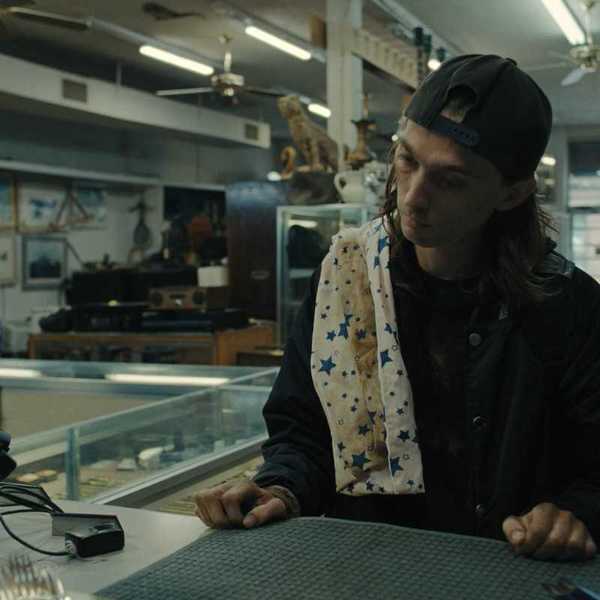
We also had a lot to ask of our cast, who didn’t have prosthetics applied to them, too, for the lack of corrective makeup and the level of breakdown applied to them as overworked paramedics. Rainn’s character started to look progressively more broken down towards the end of his 24-hour shift. Aimee Carrero and Yvette Nichole Brown both wore very minimal makeup for the film. Rob Riggle had a breakdown makeup applied during the COVID-era flashback scenes, with redness and irritation from wearing the COVID masks.
NFS: Do you have a favorite sequence or scene from the film?
SB: There are so many! But I’ll pick two. I think that the motorcycle crash scene that Luca did with the eye prosthetic had a great payoff, and it was a lot of fun to watch. In the scene, Luca’s character had drunkenly crashed into a tree and rolled down a hill on the side of the highway, not noticing the enormous stick lodged in his eye. Chris, our director, wanted the stick to be as big as possible, which added to the absurdity of the situation, and Luca played it so well. There were a lot of Monty Python “flesh wound” jokes on set, for sure.
And since it’s a comedy, I also loved the fast food roleplay scene between Rainn and Rel in the ambulance. When we were on set, the entire crew was dying of laughter, and it was just as funny to watch in the movie. I think there was a moment that you could see Rainn about to lose it in the scene, too.
 'Code 3' BTSCredit: the makeup by Scotia Boyd, Meg Wilbur, and Allie Shehorn.
NFS: What was the collaboration like amongst you and your fellow department heads on Code 3?
SB: There was a lot of collaboration between departments to make sure that everything made sense on screen. In the very beginning, it started with conversations with Charles Nance, the prop master, so that we could have a lightweight stick made for the eye gag. Jason Collins at Autonomous FX created the prosthetic piece and some of our other wounds for the car accidents.
Of course, I worked closely with Hair Department Head Nina Paskowitz every day to come up with the looks and collaborate with the actors. Costume Designer Rachel Kunin and I collaborated to make sure that the story we were telling with the blood on the skin and on the clothes was a cohesive one.
NFS: How do your designs for Code 3 compare or contrast with your acclaimed work on the Paramount+ series Star Trek: Strange New Worlds?
SB: The worlds are pretty much night and day. In Code 3, we were making our talent look worse, making them look worn down, and trying to keep things as close to reality as possible while enhancing it for the camera. In the Strange New Worlds makeup department led by Olga Kirnos, we got to live in a total fantasy. We still used reference images from real life for the injuries, but as far as the makeup went, no one was asking us, “Hey, when did the character find the time to get all made up like that?”
NFS: How did your skills as a makeup artist evolve into the world of prosthetics? Do you have a preference between these two types of design?
SB: Right from the beginning, I was very much interested in both straight makeup and special effects. People ask me all the time which I prefer, and honestly, I can’t pick which I like more! When I’m doing special effects, it’s so much fun to delve into references and then recreate the textures and patterns and colours that appear naturally on the body.
On the other hand, I love making a person look and feel beautiful, and getting to sculpt a face with light and shadow. Whether it’s special effects or beauty, it feels like painting to me, and I go into a flow state. Whenever I get to take an hour or two to unplug and get into that process, it’s a gift.
NFS: Is there anything else you would like to add about Code 3 or any other upcoming projects?
SB: I’m so pleased with the way that Code 3 turned out and proud of the entire team behind it. It’s always been a special project to me, and now that I get to share it with my friends and the world, I encourage everyone to go see it. You’ll be shocked, your eyes will be opened about the life of paramedics, and you’re going to laugh a lot!
In 2026, I hope you will get to see ‘Untitled Home Invasion Romance’ starring and directed by Jason Biggs, and ‘You’re Killing Me,’ starring Brooke Shields.
- Horror Movie Makeup Ideas, Effects, and How To Make Your Own Special Effects Makeup ›
- How Extensive Makeup Research Unlocked Character ›
- How Makeup Changes Everything in 'A Different Man' ›
- Learn Some Horror Makeup Techniques from Oscar-Winning SFX Makeup Artist Rick Baker ›