What Is 'Elfing?' The Zach Cregger Screenwriting Tip Explained
The horror writer and director lets us in on one of the coolest storytelling techniques.
I feel like people love to romanticize screenwriting. They think it pours out and is easy, but anyone who has actually tried it knows the reality of the blank page and the desperation that comes with finishing your first draft.
What if I told you that you could outsource your vomit draft to someone else? Someone who could write it for you and then you could rewrite it?
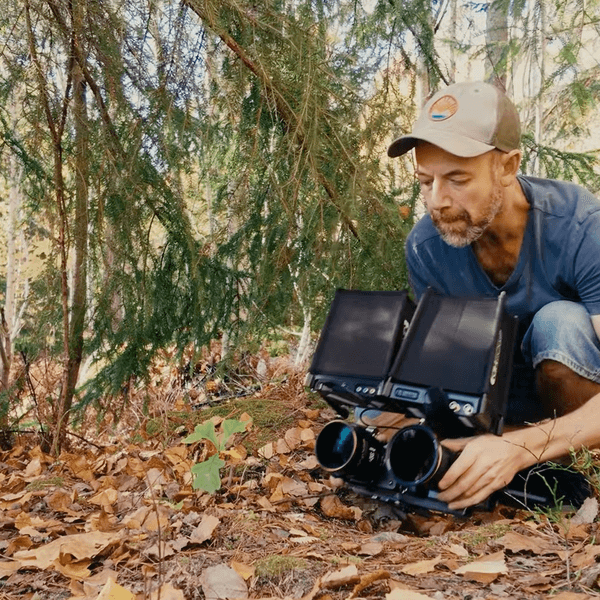
Barbarian and Weapons director Zach Cregger gave an interview to 243 Productions, where he dropped the single best piece of writing advice he ever received, and it was so good I knew you all needed to hear it on this site.
It’s a mental trick called "Elfing" that may save your story.
Let's dive in.
- YouTube www.youtube.com
Meet Your New Assistant: The Bad Writer Elf
Don't worry, you don't need to write your script. Your elf will do it for you.
Stay with me here; this is radical.
Stop pretending that you are writing the movie. Instead, you convince yourself that you hired an elf to do it for you.
"You pretend that you hired a little elf... and he's stupid. He's just like a dumb little elf, and you pretend that you hired him to write your whole movie for you. Now here's the thing: he's not going to do a good job. He's an elf, he's an idiot. But you don't care. You just want him to get you a draft." -- Zach Cregger
Did you follow that?
When you "elf it out," your sole job is to keep your fingers moving and the story flowing, just like that romantic version of writing in your mind.
You give yourself explicit, structural permission to write total trash.
Outrunning Your Own Internal Critic
There is no weight or burden of genius because you're letting the elf do it all. Your ego is left behind, and just pure storytelling comes out.
Any bad idea is a good idea that can lead ot othere things. You're not writing with fear; you're writing with a fun sense of wonder again.
The reason this works is psychological and kind of hippie dippie.
The idea is that when you write under immense pressure, your analytical brain locks up like a car's overreworked engine. You end up overthinking every single beat and sentence before the scene is even finished, and it strips your momentum.
But when you move faster than your internal editor can keep up, you tap into your actual instincts.
As Cregger put it:
"You want to create space for yourself to be careless, because being careless... that's the secret. If it's easy, you're doing it right."
Flipping the Script on the Rewrite
Once the elf draft is wrapped, Cregger closes that file and opens a completely clean document to start draft two from scratch.
Here's a breakdown.
1. The Elf Phase: Draft 1.
Turn your brain off and elf the whole movie. Let it meander and just go until you think you hit the end of it. Literally title the file "Elf Draft - TITLE" and then hit save.
2. The Gut Check: The Read-Through.
All writing is rewriting. Look over the Elf work and smile because you actually finished a complete narrative arc. Sure, it needs work, but you have something and not nothing. Plus, you now know your characters, your pacing, and your ending infinitely better than you did when you started page one.
3. The Clean-Up: Draft 2.
Open a fresh document in your screenwriting software, and use the real title of your movie. Now it's time to let the human back in and to refine and make the script better. But lucky for you, you aren't creating a world from nothing anymore; you are just cleaning up the mess your elf left behind.
Summing It All Up
The next time you find yourself stuck, stop trying to write a flawless masterpiece on the first pass and hire an elf instead.
You can always fix bad writing, but you can't edit a blank document.
Get the idea out and embrace the chaos of rewriting.
Let me know what you think in the comments.