Let's say you're about to shoot your first short film. You have a script and a team ready to jump into this world with you, and you're understandably excited to get started.
Hold on! There are a few questions you should be prepared to answer before you start rolling.
Every choice you make on set either reinforces what you're trying to say or muddies it. When you walk onto set with clarity about your theme, tone, and visual approach, you give your crew something to rally around. You save time and can make faster decisions.
This matters even more for shorts. You have less screen time to communicate your idea, which means every frame needs to work harder. Don't figure it out as you go.
Here are five questions every director should be able to answer.
What's the Theme?
Theme isn't just what happens in your story. It's what your story means.
New filmmakers often confuse plot with theme, but the plot is just the surface. The theme is the main idea that audiences connect with on a deeper level.
This is the one thing a writer should be able to answer about their script from the beginning. But if it's gotten to you (or you're the writer) and you haven't thought about this before getting your crew in place, take a beat.
If you can't articulate your theme in a sentence or two, you're not ready to shoot. The central idea should inform every creative choice you make, from how you frame and light a shot to how an actor delivers a line.
In a short, you don't have time to meander toward meaning. Your theme needs to be sharp from the first frame, and every element should reinforce it. Without a clear theme, you end up with a technically proficient short that says nothing.
What's the Tone?
Tone is how your film feels. Is it cold and clinical? Warm and intimate? Chaotic and frantic? Whatever you decide, you need to be able to communicate it clearly to everyone, from your DP to your production designer.
Understand how cinematographers prepare for shoots. Directors and DPs discuss tone early in pre-production to establish the film's emotional direction. That conversation shapes everything.
A tense thriller might use handheld cameras and high-contrast shadows. A nostalgic drama might lean into warm, soft light and static shots.
With tone in mind, the team can make informed decisions that support your vision.
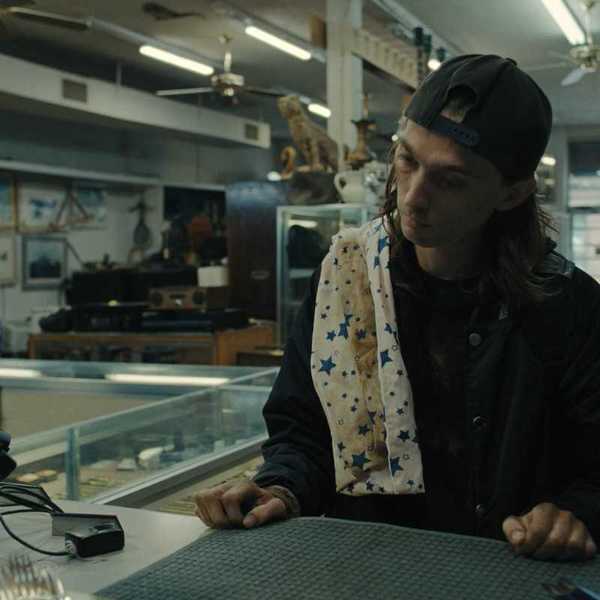
 After LifeCredit: Artistic License Films
What's the Visual Language?
This is where some directors stumble. They think about story and performance and the camera they want, but don't know how to give their work a unique look.
Visual language—the combination of framing, lighting, and movement—should tell a deeper story. You don't want your short to look like everyone else's.
Before you shoot, sit down with your DP and map out your visual approach. Are you using a locked-off camera or handheld? Long lenses or wide? Symmetrical framing? Natural lighting, or not?
Creating a visual language that serves your story means thinking about how each element reinforces your theme and tone.
A mood board helps. Collect reference images from films, paintings, photographs, anything that captures the aesthetic you're chasing.
For shorts, you can't rely on dialogue to explain everything. Images need to carry a lot of weight. Don't just copy what looks cool. Make choices that serve the story you're telling.
How Does Each Scene Function?
Every scene should build character, advance the plot, or reinforce the theme. Ideally, it does all three.
If a scene doesn't accomplish at least one of these things, you probably don't need it—and in a short, you definitely can't afford it.
Don't include a scene just for vibes or because you think it looks cool. Story can't get by on vibes alone.
Before shooting, do a scene breakdown. Ask what each is doing for your story.
When you understand the function of each scene, you can make smarter choices about coverage and blocking. Is a scene emotionally intimate or merely functional? You'll know which moments need close-ups and which need wide shots.
If you realize during prep that a scene isn't working, you can rewrite or cut it.
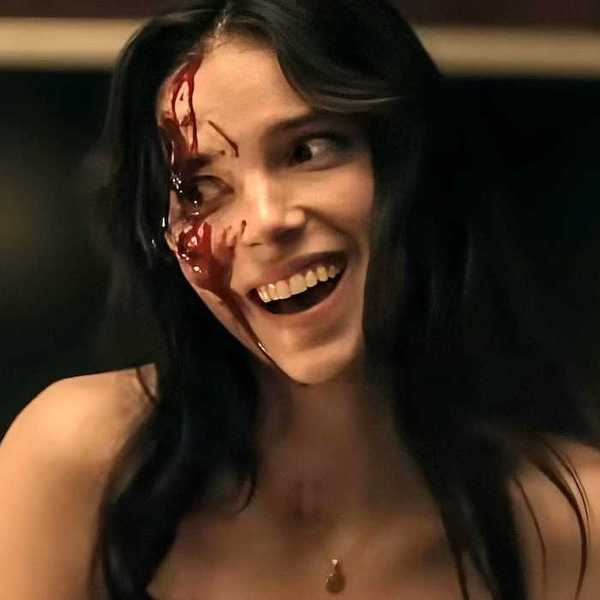
 Triangle of SadnessCredit: Lionsgate
How Do Limitations Shape Your Vision?
Now vision meets logistics. You can have the most brilliant creative plan in the world, but if it's not executable with your budget, schedule, and resources, it's worthless.
A tight budget might push you into a single location, which can intensify intimacy or claustrophobia in ways a sprawling shoot never would. Limited shooting days demand ruthless economy. No money for elaborate lighting setups? Natural light and practicals can create a different kind of authenticity.
Think about how Clerks was shot in black and white, partly because Kevin Smith couldn't afford to hide the retail store's mismatched color scheme. That limitation became the film's gritty aesthetic signature. Or how the malfunctioning shark in Jaws forced Spielberg to suggest the threat rather than show it.
Before you shoot, identify your biggest constraint. Is it time, money, location, or equipment?
Ask how it can push your creativity. You probably can't afford a Steadicam. So, what would handheld bring to your story?
Do you only have one day to shoot? Maybe your short works best as a real-time pressure cooker, and you should revise the script.
The directors who make the most of their first shorts often aren't the ones with the biggest budgets. They're focused on the story, and they know exactly what they hope to achieve through that story.