Screenwriting "rules" are often cited as gospel. It is important to educate yourself on screenwriting standards and know what the rules are.
But some of them are more like guidelines, and once you know which boundaries to push, you can get adventurous.
We'll tell you which rules you can bend or break, but first, one caveat—formatting absolutely does matter. Formatting standards exist because entire teams need to be able to read them easily. If you leave off locations and change character names every other page, that’s only going to cause confusion.
Sure, you can have occasional fun—maybe you want a single word on one page for dramatic effect (like in Travis Braun's One Night Only). Maybe you want really simplified language and no punctuation (like in Chris Thomas Devlin's Cobweb). Maybe you throw in different fonts (Dan Gilroy does this sometimes).
But remember that you don't want to confuse; you want people to keep reading and understand your story. So, get comfy with your formatting.
Now onto the rules you can break.
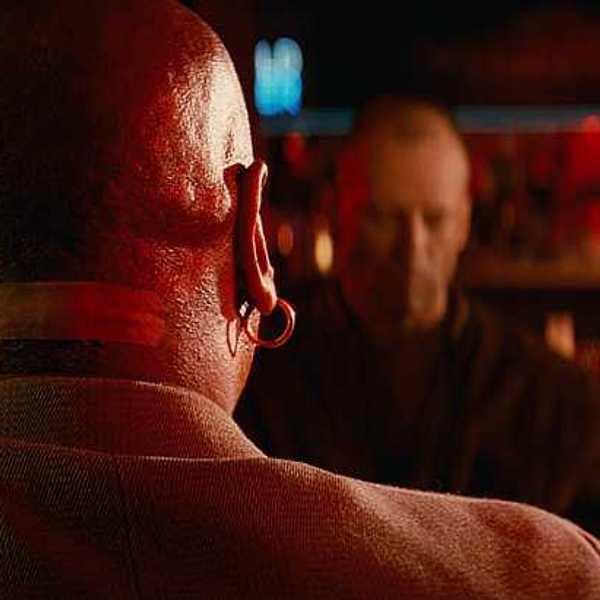
 Pulp Fiction Credit: Miramax
You Don't Need Three Acts
The three-act structure isn't mandatory. Sure, it's a solid framework that functions for many stories, but it's not the only way to organize a narrative.
Some of the most compelling films use four acts, five acts, or even circular structures. The five-act structure has become my go-to.
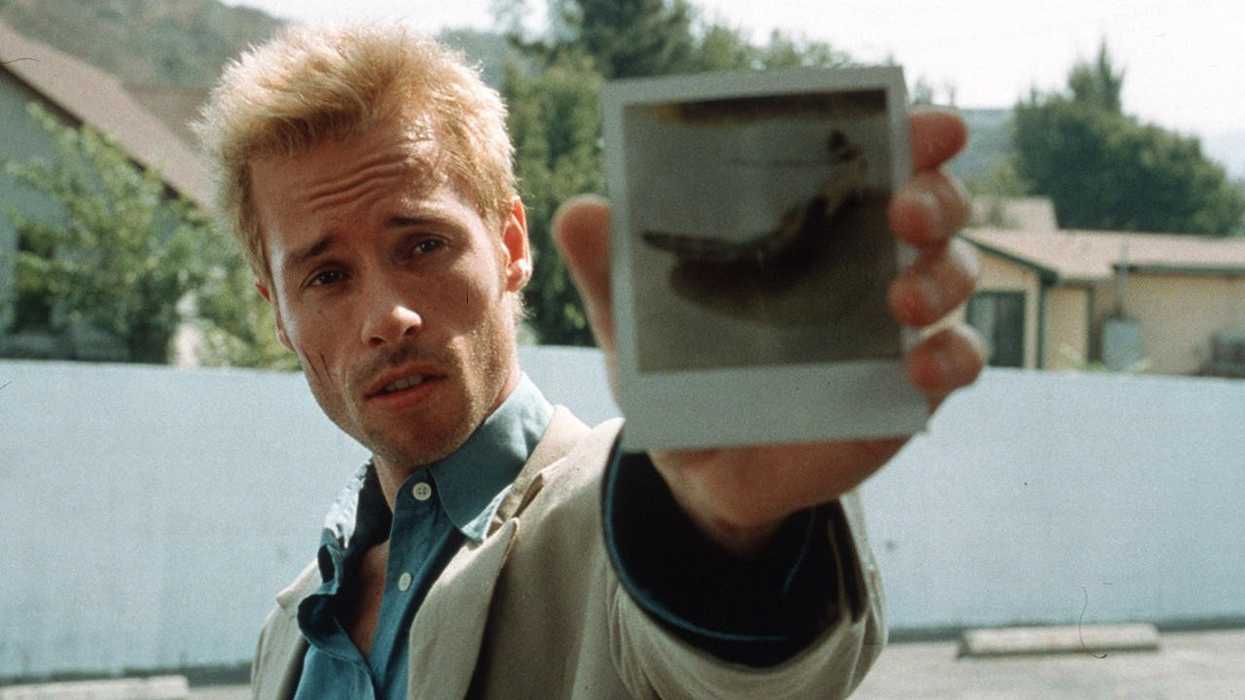
You also don't have to be linear. Pulp Fiction famously jumps around in time. Memento moves backwards.
What you do need is a beginning, middle, and end. And remember, your structure should serve your story's emotional journey, not that it fits into a predetermined template.
Flashbacks Aren't Automatically Bad
You can easily find writing resources that warn "new writers should never use flashbacks." Never is a bit much.
Flashbacks become problematic when they're used as lazy exposition dumps or when they disrupt your pacing and momentum.
But when they reveal character in ways that present action can't, or when they're integral to your story's mystery or emotional core, they work.
Manchester by the Sea uses flashbacks to devastating effect because they're the only way to understand the protagonist's present-day behavior.
You Can Include What Isn't Seen
New writers who have been told to never (yes, again, never) write anything we can't see can be sticklers about this rule. Sometimes they pick on writers who break it.
But if you read modern scripts, you'll see this rule is broken quite often. Characters' feelings are explored, and you'll sometimes see a line of backstory that isn't taking place in the scene. Sometimes writing, even in screenplays, can be poetic or vague.
Of course, this is a matter of preference. You can write, "Mike smiles," or you can write, "Mike forces a smile, the fake one he's worn since the divorce."
The goal is still clarity, and you don't want the story to go off the rails. But you also want to connect emotionally with your reader, and this is a way to do it.
Characters Don't Always Need Arcs
Not every character needs to transform dramatically by the end of the story. Some of the most compelling protagonists are forces of nature who change everyone around them while remaining essentially themselves.
Think of Ferris Bueller or Hannibal Lecter. Sometimes, the most interesting story is watching how an unchanging character affects their world.
Or sometimes there's a tragedy in a lack of growth. Sometimes the point of the story is that they don't change.
Page Counts Are Guidelines
The "one page equals one minute" rule and the corresponding page count expectations (90 pages for comedy, 120 for drama) are suggestions, not set in stone.
Dialogue-heavy scenes (like Before Sunset) can move quickly on screen despite occupying a lot of page space. A single line about a swordfight (like in A Princess Bride) can lead to an action sequence that goes on for several minutes. Dialogue-sparse 90-minute films can have scripts that are only around 30 pages.
You will probably have to be a bit more established before your page lengths go really long—remember that many people are still generally put off by extra-long screenplays, and you're asking for a lot of a reader's time.
What rules do you break in your writing?
- Is the Royal "We" a Screenwriting Sin? Do Any Screenwriting Rules ... ›
- What Screenwriting Rules Does James Cameron Follow? | No Film ... ›
- Why Screenwriting Rules are a Myth | No Film School ›
- A List of Screenwriting Rules and How to Break Them | No Film School ›
- Why Your Script Isn’t Getting Read (and How to Fix It) | No Film School ›
- What Editing 51 Books Reveals: 9 Hidden Traps for Aspiring Writers | No Film School ›