I worked as a script reader (back when human beings were still doing that kind of thing) and I never DNF'd a script. But there were times I wanted to, simply because the writing and/or story wasn't quite there yet. When you're having to push through a read that doesn't grip you, it's really the worst.
Putting yourself out there as a writer is a huge feat. And like anything in this industry, you'll get ghosted as much as you'll hear variations of "no." Sending out a script and then hearing crickets usually means that the person wasn't vibing with the work... or they didn't finish it at all.
There is unfortunately no magic trick to make sure your script gets read. But here are some things to lessen the likelihood of a skip.
 Indiana Jones and the Last CrusadeCredit: Paramount Pictures
Your Formatting Is Incorrect
We'll start superficially. As annoying as it is, this matters.
We're not talking about issues like "you used the wrong font" or "you clearly didn't do this in Final Draft." You can write a screenplay in Times New Roman via Word just fine, and many screenwriters do.
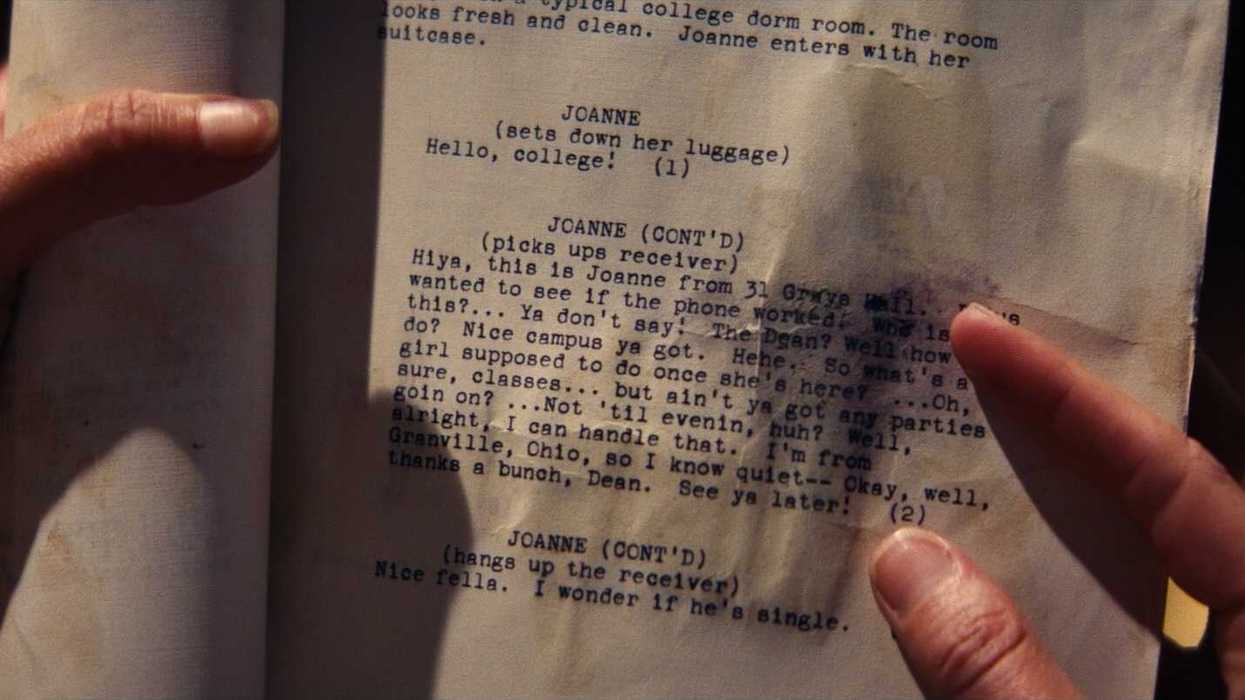
But if you don't know screenwriting conventions like sluglines or have a draft full of misspellings, that's an instant turn-off to a reader. They'll likely assume the writer didn't care enough to be thorough.
Did you change a character's name or a location halfway through your draft and forget to replace every instance of it? Did you leave huge blocks of description on the page that are hard to read? Do you know how to format an intercut if you use it?
Correct, consistent formatting keeps readers focused on story. Remember, you're aiming for clarity.
No Hook on the First Page
Page one is the most important page in your entire screenplay, but it's where most writers stumble.
This is where you tell the reader why they should care. This page has to carry a huge load—what's the tone? Can you hint at the genre? Why should I keep reading? What's unique about the story you're telling?
Many writers begin with character introductions rather than visual action. Can you put that character in some kind of motion or conflict (maybe in medias res) and show us who they are, rather than telling us?
My general rule is to put something unique (whether that's a story or genre element, something visually interesting, or a hint of the story to come) on this page. Make it so the reader has to turn to page two.
 Green BookCredit: Universal Pictures
Weak or Poorly Developed Concept
As our own Jason Hellerman estimates, around 80% of scripts sent by amateur writers earn a conceptual pass. The problems typically fall into two categories: either the premise isn't clearly established, or it's been done to death.
In the first case, a reader finishes the logline or first ten pages without understanding what the story is actually about or what makes it worth telling. Maybe it's confusing or buried in set-up.
In the second case, the premise might be clear, but it's also been done. Think "renegade cop investigates a serial killer" or "thief needs one more score." These aren't bad ideas, just basic.
Script readers get tired of seeing the same ideas over and over again.
You don't have to reinvent the wheel. But it does mean you need either a fresh angle on familiar material or a novel concept. Understanding what's been done in your genre helps you figure out why your script might fall to the bottom of the pile (and how it can stand out).
I feel like I've been saying this a lot lately, but read all the scripts you can and expand to books and plays if you have the time. Know the tropes, then figure out ways to turn them on their head.
Structural and Pacing Issues
This is a huge one. Does your story have a clear direction? Are characters moving toward a goal and meeting interesting obstacles?
Your scripts don't always have to follow a three-act structure or be told in a specific order. But what they do have to do is be clear (can I follow what's going on) and thematically sound (the things you're doing structurally matter in the end).
I read a script once that was peppered with flashbacks from a completely different storyline. At the end of the script, these flashbacks never tied into the main plot and weren't even thematically connected. So why were they there at all?
Most writers/readers will be reading a lot, so your story needs to have some movement or drive, even if it's just emotional. Give the character ups and downs that the audience can experience, too. Of course, you can have a single-location story, but it's probably not just someone sitting in a room. (If it is, you're making an arthouse project, so this advice isn't for you.) But even Skinamarink had conflict.
The most common structural problem is a second act that loses momentum. If your story lingers on low-function scenes past page 40, let's rework.
Start scenes late, leave them early. Cut fluff. Look for scenes that slow you down, and either tighten them up or get rid of them.
Think about length, too. Please don't hand a reader 250 screenplay pages unless you really know what you're doing and/or have credits to your name.
 Rogue OneCredit: Disney
No Character Development
Almost any story is interesting and compelling as long as the characters are. Do they feel grounded and complex? Do they have a goal we can understand, regardless of setting? Do they have dreams and weaknesses and tics?
If you have a flat and empty character that has no personality and experiences no growth... well, they probably aren't going to be very fun to follow. If a character exists in your story just to experience the story beats that are thrown at them, that's not a well-developed character.
Strong characters need clear goals, distinctive voices, and relationships that feel specific rather than generic. Create that, and readers will follow them almost anywhere.