Thelma Schoonmaker Wants You to "Slap the Audience in the Face"
Learn from the editor's insights.
Raging Bull
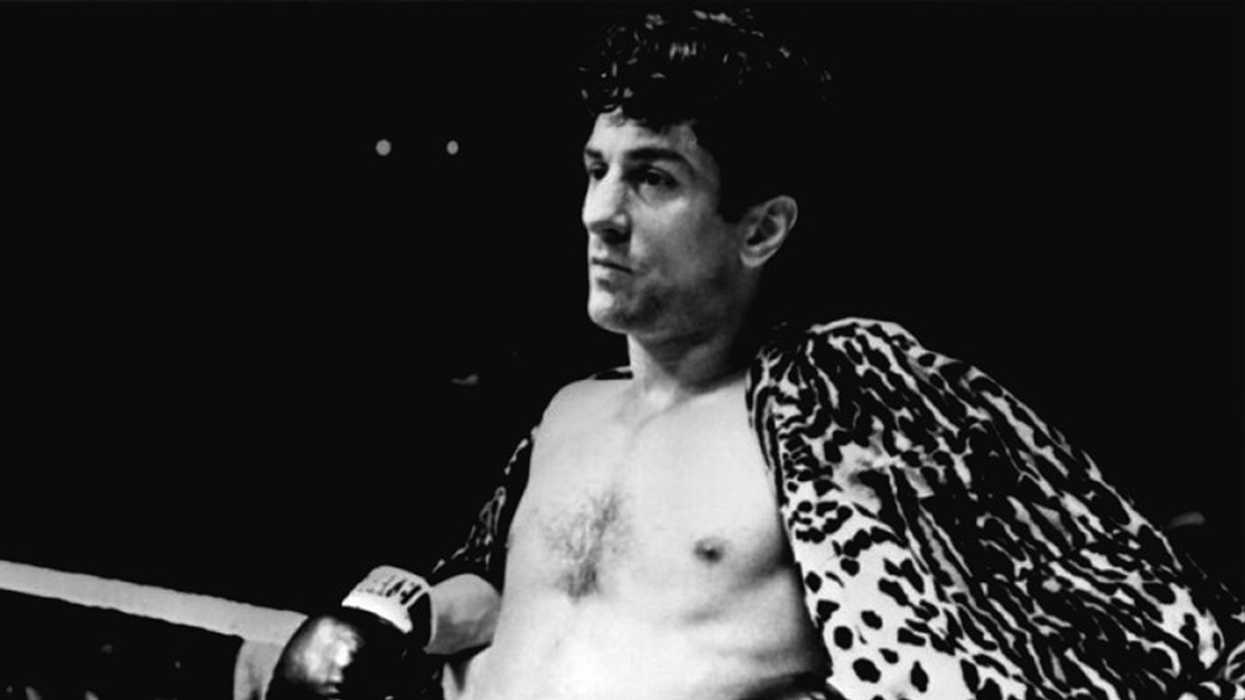
Thelma Schoonmaker has been cutting Martin Scorsese's films for decades. She's the editor behind masterpieces like Raging Bull, The Departed, The Aviator, and After Hours. She's done thrillers, comedies, gangster movies, period dramas, and everything in between.
It's safe to say she's a master at what she does, and we always love learning from the masters.
I was scrolling over the weekend and stumbled on a quote she gave about "blender cutting," in which directors shoot a bunch of coverage with multiple cameras and expect it to always come together seamlessly in the edit (cough cough, Ridley Scott). Sometimes it works fine, but there's a level of intentionality lost in the process.
I was able to track down that quote to a 2011 DP/30 interview, but also found it in this video from The Royal Ocean Film Society, in which she breaks down her approach to editing and what she's learned from working with Scorsese.
If you're learning to edit or just want to hear Schoonmaker's expertise, this is worth your time. Check it out, then look further into our favorite bits.
- YouTube www.youtube.com
"A lot of people think editing should be invisible, but we've never felt that way."
Schoonmaker doesn't buy into the idea that editing should always disappear. She and Scorsese take a different approach.
"We always like to slap the audience in the face if it's required," she said.
That doesn't mean every cut needs to announce itself. Sometimes dialogue scenes need to flow without drawing attention to the editing. But Scorsese encourages Schoonmaker to hold shots longer than might feel comfortable, building tension before making a cut (when it's justified).
I know I harp on Lawrence of Arabia, but remember that famous match cut when Lawrence blows out the matchstick? That's the kind of edit that slaps you in the face, and it's incredible. I get chills every time I see it.
As an editor, your job isn't always to be invisible. It's to shape how the audience experiences the story.
- YouTube www.youtube.com
"What happened to 'the shot'?"
This is where Schoonmaker talks about "blender cutting"—the modern approach where you shoot with eight cameras and throw everything together in the editing room.
She said Scorsese keeps asking her, "What happened to 'the shot'?"
Like the long shot, the simply beautiful shot, or the one that shouts "auteur." For instance, the kind Kubrick would frame that lasts five minutes without boring the viewer. These shots rely on the production design, cinematography, music, everything to convey emotion and information. And the viewer actually gets to digest it.
She points to the opening of Dr. Strangelove, one of the best films of all time (not to mention timely and quotable). The first images are aerial shots that don't need to be chopped up into tiny bits.
- YouTube www.youtube.com
There's something almost meditative about watching those planes move through the sky, and cutting it up would've destroyed that feeling entirely before the audience is plunged into the chaos of the story that follows.
When you're planning coverage on your project, are you thinking about creating a moment that can linger, or are you just shooting every possible option to figure it out in the editing bay?
Or can you frame something and just trust it'll work?
Someone once told Schoonmaker that they liked to cut every three seconds, but their director questioned why they did that. "Can you help me answer him?" the person asked her.
Well, she didn't think that was necessary or good, so she also questioned the choice.
"Each shot has its own life. You have to learn how to make it live."
Think about whether your cuts are serving the material or just following some arbitrary rhythm.
"Part of an editor's job is to make sure an actor's performance is properly put together."
Editing isn't just pacing and structure and moving from shot to shot. You're also there to support performances.
Schoonmaker credits Scorsese with teaching her everything about acting. He developed his instinct for authentic performances as a teenager watching movies in Brooklyn. And he and his friends would snicker when they didn't believe something onscreen.
During dailies, Scorsese will tell her when he doesn't believe a take. And she's noticed the same problem in recent films, moments where you're being asked to believe something that doesn't feel earned.
"Marty makes you feel it, which is why his films disturb people sometimes," she said. "I think because they don't want to feel some things."
If something feels off in the editing room, don't convince yourself it'll work. Trust your instinct and find the better take that lands.
- YouTube www.youtube.com
"I'm always very nervous about showing the film to people, because it's not ready yet."
Test screenings make Schoonmaker anxious. The film isn't finished. But she knows these exercises are important to the development of a project.
When deciding who to invite, Schoonmaker's response is to "invite the janitor." It doesn't matter who's in the room or what their background is. You'll learn something from everyone there.
Despite her anxiety, Schoonmaker says editors don't get enough test screenings. You need that feedback to understand what's working, after all.
She told the story of a screening gone awry. They screened The Age of Innocence in a factory town in New Jersey. It was, admittedly, the wrong audience for a film about New York's Gilded Age. One woman started laughing at the movie. Then the whole theater joined in.
But the studio told them to forget that screening and keep working. It taught them about audience expectations, even if the lesson hurt.
Test your work and get it in front of people even when it makes you nervous.
None of this is easy. Editing requires instinct developed over years of watching how audiences respond to your choices.
Schoonmaker wants you to be bold when the story calls for it, let shots breathe, prioritize authentic performances, and show your work to diverse audiences to get feedback.
- Iconic Editor Thelma Schoonmaker Shares What She's Learned from 50 Years of Filmmaking ›
- Legendary Editor Thelma Schoonmaker Breaks Down 'Raging Bull' at the Tribeca Film Festival ›
- A Look at the Influential Editing Techniques of Martin Scorsese & Thelma Schoonmaker ›
- What Can the Iconic Thelma Schoonmaker Teach Us about Editing? ›