The Clever Storytelling Structure That Makes 'Slumdog Millionaire' Work So Well
This movie takes flashbacks to a new level.
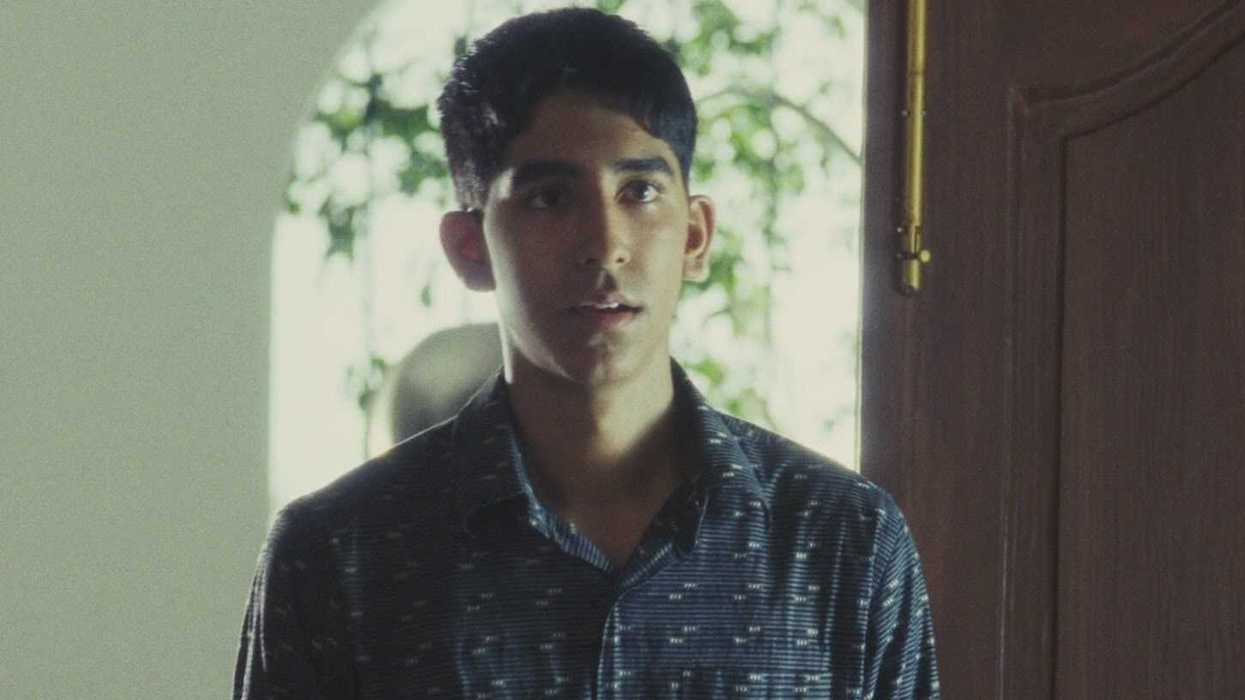
'Slumdog Millionaire'
There was this electricity when Slumdog Millionaire came out. I had been a Danny Boyle fan for a while, and rushed to the theater to see the new film, which had already generated Oscar buzz. It wasn't just the trailers; it was this kinetic style, a story told through fate — or was it just life?
Either way, it had a structure that even laypeople embraced as innovative, thanks to Boyle's collaboration with screenwriter Simon Beaufoy, who adapted Vikas Swarup’s novel Q & A into a movie built around a game show, with flashbacks driving the core narrative.
It was like this riddle we were all unfolding in real time, along with some of the antagonists, who wanted to know how this little slumdog could know the answers to the world's most famous trivia TV show.
The answer...it was written...in more ways than one.
This framing device matched the visuals and helped the nonlinear narrative take off with audiences everywhere.
Let's dive in.
- YouTubewww.youtube.com
The Framing Device as an Engine
We'll start by taking a look at the most obvious part of this movie: the framing device. We've got flashbacks that all connect to the same future timeline, where our protagonist is competing in Who Wants to Be a Millionaire.
This could have been slow or felt erratic, but this movie is all about pressure and making choices against a ticking clock.
The Interrogation
Jamal Malik (Dev Patel) is being tortured by police who suspect a "chaiwallah" from the Mumbai slums couldn't possibly know the answers to a high-stakes trivia game without cheating. They're determined to figure out how he's cheating and how they can protect the show. But they have only a limited time to find out because the show’s final question airs the next morning. So we have to get through Jamal's life story by then to understand what's happening, and get him back on the air or arrested for cheating.
While conventional wisdom warns writers to avoid flashbacks because they stall forward momentum, Beaufoy turns each jump backward into an active investigation into how this is all happening, and with the ticking clock, we're gathering evidence instead of taking a detour.
The Architecture of Three Timelines
Another way this movie's structure keeps the audience engaged is that it actively breaks into three different timelines. It's one of the best nonlinear movies because it does this rather subtly. And it makes it easy for you to keep track of it.
| Timeline | Purpose in the Story | Visual & Pacing Signature |
| The Police Station | The Anchor of the whole movie. It establishes stakes, drives the interrogation, and validates the flashbacks. | Harsh fluorescent lighting, claustrophobic framing, slow-burn. |
| The Game Show Studio | The Escalator of the stakes: when Jamal is in the seat, we feel the eyes of an entire country on him. A billion people watching. This measures the external progress by us watching his prize money go up. | Saturated blues and golds, crane shots, commercial-break cliffhangers. |
| The Flashbacks | The Heart of the whole movie. This is the truth; it's all the answers to the questions that amount to a boy's life. We follow Jamal, Salim, and Latika from childhood trauma to adulthood. | Handheld cameras, natural sunlight, kinetic editing, visceral street-level energy. |
Notice how each timeline performs a different dramatic function for the writer? It keeps the audience engaged and pulls at the head, the heart, and puts you on the edge of your seat.
The studio provides external stakes (money and fame). The police station provides physical goals (survival and freedom). The flashbacks provide the emotional stakes (Jamal’s desperate search for Latika).
All three come together at the end ot deliver a movie that feels like we got an entire life plus hope for the future. We're left wanting more, and how can you argue with that?
Coincidences? Or Fate?
In most stories, coincidence is a cardinal sin. I always say you can have one coincidence in your script, but you really want it to get your character into more trouble. Well, this movie is all about getting Jamal into more trouble. Sure, his life is the answer to many questions, but those answers have gangs after him, cops interrogating him, and have made it much harder.
None of this is cheap deus ex machina.
Slumdog Millionaire leans directly into coincidence and transforms it into its central thesis: fate.
From the very first frame, the film presents a multiple-choice question to the audience:
Jamal Malik is one question away from winning 20 million rupees. How did he do it?
- A) He cheated
- B) He’s lucky
- C) He’s a genius
- D) It is written
Now, we know "It is written" as the thematic center right out of the gate; Beaufoy buys himself permission to make every trivia question a direct reflection of Jamal’s lived trauma.
That's pretty genius writing because it then gives you the opportunity to tell the story of all these questions.
The Subversion of the "Final Question"
The brilliance of the third act lies in how it subverts the very engine it spent 90 minutes building.
When Prem (Anil Kapoor) asks the final 20-million-rupee question—What is the name of the third Musketeer?—the script breaks its own rule.
There is no flashback.
We're in that TV studio watching a kid sweat. The big reveal is that he and his brother spent their childhood calling themselves Athos and Porthos, never bothering to learn the third name because they didn't have a third friend until they met Latika.
And by then...the legend was gone to them.
This means Jamal has to rely on blind faith for the final question, and phones a friend not to get the answer, but to make sure Latika is alive and safe.
That leaves him to just guess Aramis... and to let fate determine the rest.
Summing It All Up
This movie has so much heart and magic to it. It has kinetic energy in both the writing and the cinema, delivering a character tale with some of the most creative cinematography in years. It's cool to look back and to revel in the creativity they got hr e scree nand how much audiences embraced something that felt so fresh and new.,