You might find yourself frustrated as a filmmaker when you turn on your camera to shoot something and... there's just something about your image that doesn't look right.
You might think, "I need a better camera." Or maybe, "I need a better location."
And, yeah, those things can be factors if you're aiming for storytelling on an epic scale and don't have the resources to pull it off the way you see it in your mind. But cameras and settings don't limit your ability to create really pretty frames. You can do that anywhere, with any camera.
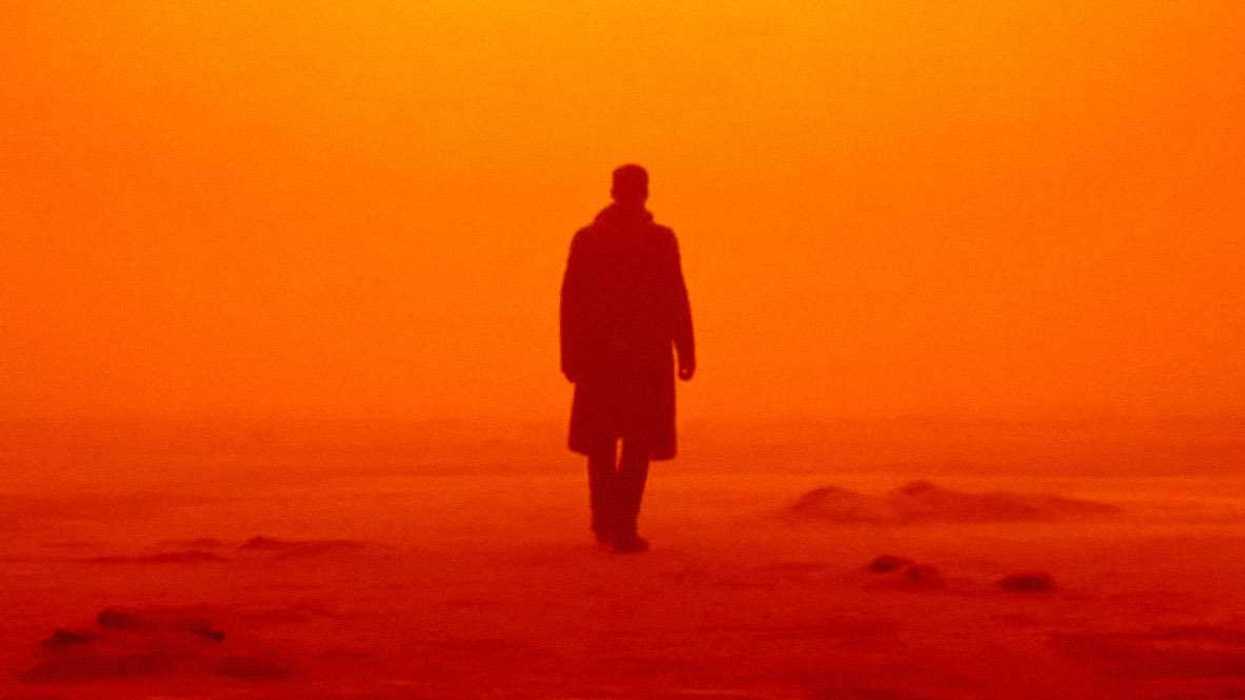
In a new video from Genery, they open with a shot from Blade Runner 2049, shot by Roger Deakins. Who happens to be one of the greatest living cinematographers, no big deal. But the point of starting there, on an orange-washed setting with giant statues, is that the eye immediately knows where to go because those statues frame Ryan Gosling's character almost perfectly. The frame isn't busy or even that complicated. But it does its job and looks interesting, which are often the key goals in visual storytelling.
We’ve covered the rules of cinematic composition before. But you need a way to quickly test those rules, and it's great to get an occasional refresher.
Watch the whole video below.
- YouTubewww.youtube.com
Every Shot Answers Two Questions
Generally, you don't want to start from a place of, "How can I make the coolest shot?" Cool shots are just that, cool, but they can also be distracting and a disservice to your story.
The video sorts the seven composition tools by what they do. Some of the tools decide where your eye goes, and others decide what you feel from the image.
Those are the questions you should ask of every shot. Where will the eye go first? And what feeling does the frame inspire in the viewer?
Guiding the Eye with Focal Point, Lines, Depth, and Light
When it comes to guiding the eye, these are the elements you should consider first.
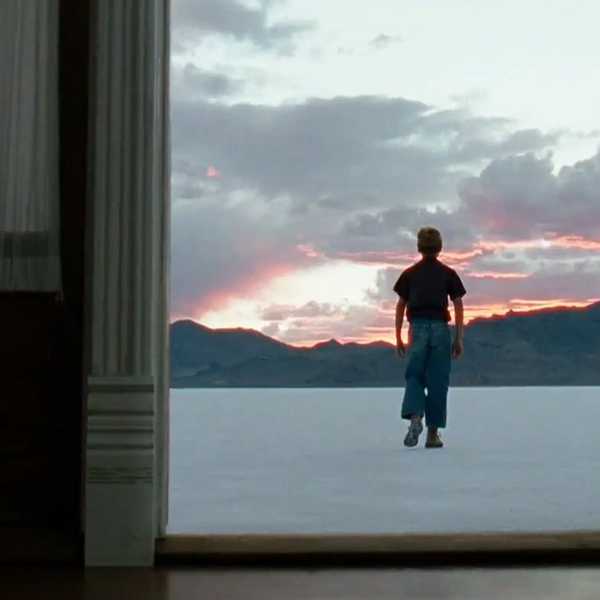
What's your focal point? A good shot has one place the eye lands first. If the image is too busy, it has no focal point, and the viewer will struggle to understand what they're supposed to take from your shot. You don't want that.
How can you use lines? The eye loves to follow them. In Parasite, during the big rain sequence, characters travel down, down several sets of stairs, where the lines lead down paths to their flooded basement home. (Lines are huge throughout Parasite.)
What in the frame can create depth? Think of this as layering. We talked about this before with the opening of Halloween.
Can you use light and color? The red coat in Schindler’s List stands out among hundreds of people in that iconic shot of the ghetto because the rest of the film is in black and white.
The video refers to George Miller, who kept his subjects central in Fury Road so your eye didn't have to search after each cut. Cinematographer John Seale has said centered compositions make fast action much easier to follow.
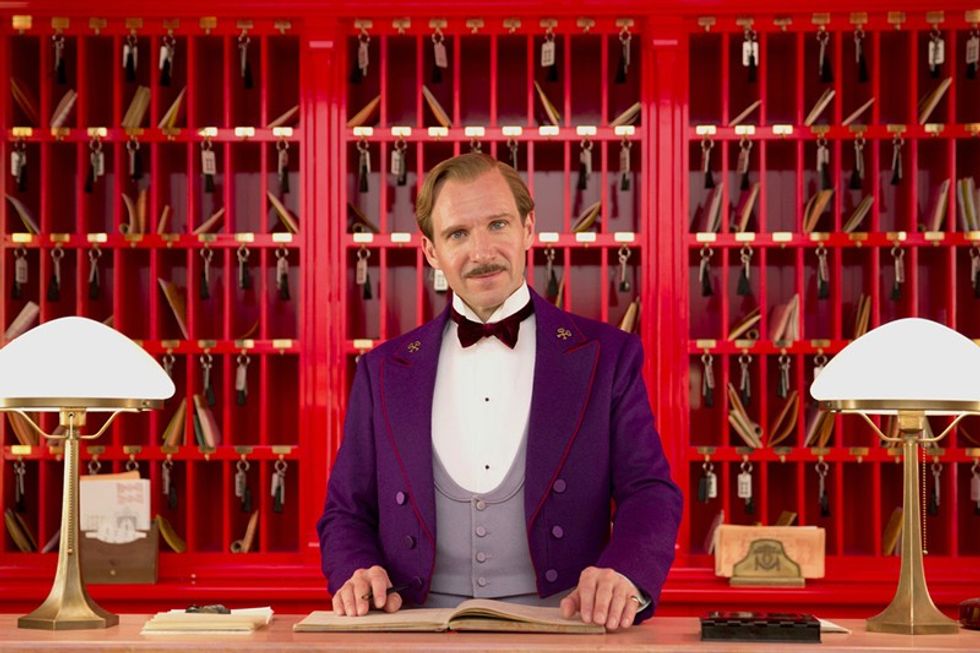 'The Grand Budapest Hotel' Credit: Fox Searchlight Pictures
Shaping the Feeling with Space, Balance, and Frames
Stack the Tools
The video returns to that first Blade Runner 2049 shot and notes that it contains all seven tools working at once.
The figure is positioned almost centrally on the lower third line. His profile is framed by the two converging profiles of the statues above him. A great deal of haze surrounds him, isolating him. The two heads balance each other, and he's a dark figure against the light.
If you push into the image and crop it, it just feels awkward.
"In the shifted frame from the start, the man is still there," the video says. "But a statue’s profile pulls the eye away, and the weight tips to one side. The tools argue, and the shot is dead. So that’s the answer. Directors and DPs don’t guess where you’ll look."
One tool working against the others can undo the whole shot.
Run the Squint Test
If you're on set and wondering what will draw the audience's eye in your shot, just try this test.
"The fastest test: squint. Whatever you can still see, that’s where they’ll look first."
If any one tool pulls the eye away from your subject, the shot argues with itself. Better try something else.
Painters have used this technique for centuries to check the value structure of a composition, meaning the pattern of lights and darks that gives an image its form. A stripped-down, two-tone version is called "notan." Photographer Richard Bernabe refers to notan as "essentially the squint test refined over several centuries." The squint test blurs all the detail, leaving you with just shapes and contrast.
For what it's worth, breaking the rules is fine when (as we've said many times before) you understand them, and you can justify breaking them, as the video also points out.
“All these rules get broken all the time. The best rule-breaking is deliberate: when you know exactly what you’re breaking."
- Composition for Beginners: What You Need to Know about Framing Up a Shot ›
- 9 Simple Photography Composition Techniques That Captivate The Eye ›
- Telling Stories with Composition: What Are Your Frames Saying to Your Audience? ›
- If You Have 14 Minutes, You Have Time to Learn the Basics of Cinematic Composition ›