When Steven Spielberg talks about the state of cinema, the industry should stop and listen. And if he's telling you we need to focus more on the audience experience, you'd better take a personal inventory to make sure you're on top of it.
Spielberg recently sat down with ITV News to promote his latest feature, Disclosure Day. And the legendary director waxed about his artistic philosophy, his skepticism toward working with Netflix, and his approach to the technical craft of filmmaking.
Let's dive in.
- YouTubewww.youtube.com
Why Spielberg Avoids Streaming
I think we've talked a lot on this site about Netflix and the stranglehold they have on the market. They're really the behemoth that has tried to change how we take in movies and the scale of theatrical releases.
Now, that conversation is defined by the filmmakers who are pushing back against those tides.
And for Spielberg, the line is drawn in stone. He firmly opposes directing projects for streaming services like Netflix, and the reason is simple.
In his words:
"The magic happens when strangers gather in a dark room to share an emotional experience."
Now, look, we all don't have the clout of Spielberg, but I think the important lesson in all of this is that watching a movie needs to be an emotional ride. We want people engaging with the material and learning it. It's easier to do that in a theater where you share the experience than at home, where you might be distracted.
And that way is never going to disappear because filmmakers want it to stay, and audiences are coming back to it.
The Lost Art of Cutting a Good Trailer
In order to get butts into seats, you need trailers to advertise the product. But lately, trailers have been a little mediocre.
It was cool to hear Spielberg dive into the art of the trailer.
His main gripe is the idea that the third act is given away in the trailers and there's really no evidence that kind of storytelling gets tickets sold.
Spielberg's Trailer Philosophy for Filmmakers
This could probably be a post on its own, but I learned a lot from how Spielberg wants a trailer to function.
- Sell the tone, not the plot: A trailer should make the audience feel the atmosphere of your world, not summarize your script.
- Keep the mystery alive: If your audience knows how the conflict resolves from the 2-minute teaser, they have less incentive to watch the full project.
- Be hands-on: Don't just hand your footage over to a marketing team. As the director, ensure the trailer is an honest, enticing extension of your vision.
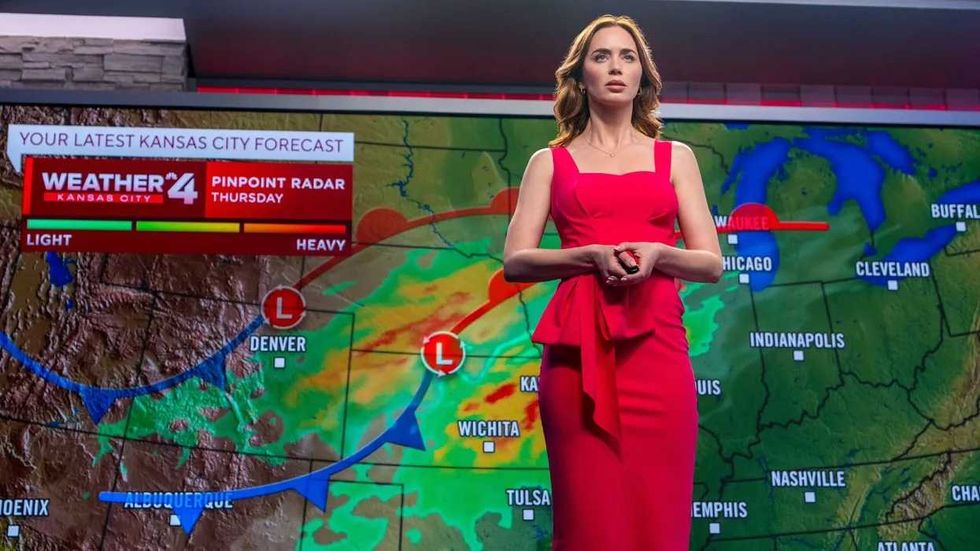 'Disclosure Day' Credit: Universal
Saying No to AI
Spielberg is not a fan of AI, and not just in the creative aspects; he also wants it out of the sound design.
On Disclosure Day, he was adamant about avoiding AI-generated sound effects.
To build the otherworldly textures of his alien-centric narrative, his team relied on traditional Foley and acoustic manipulation so that sounds felt organic and chosen.
They're not in there by accident; they are using their ears and emotions to make sure they make sense and feel unique.
I want to take a moment here to say you don't have to be Spielberg to do this stuff. You can go out in the world, farm sounds yourself, and really curate the audio of your stories.
Let Light Tell the Story
Disclosure Day is a Spielberg movie, so you know it's going to look good because it's coming with Janusz Kamiński doing the cinematography.
Instead of treating lighting as a tool just to achieve exposure, Spielberg and Kamiński view it as a primary narrative driver.
In Disclosure Day, light represents the boundary between the known and the unknown, and you know we're going to get some Spielberg faces as well.
Summing It All Up
Whether you are shooting a sci-fi epic or a micro-budget chamber drama in a single room, keeping the screen big, the sound real, and the mystery intact is how you engage an audience who leans in to see your work.
These lessons from Spielberg cover every budget and practical for filmmakers working on projects of any size.
Let me know what you think in the comments.