Todd Field Says 'Eyes Wide Shut' Was Only a "First Cut"
The director and actor reignites the debate: Did we ever actually see Stanley Kubrick’s final vision?
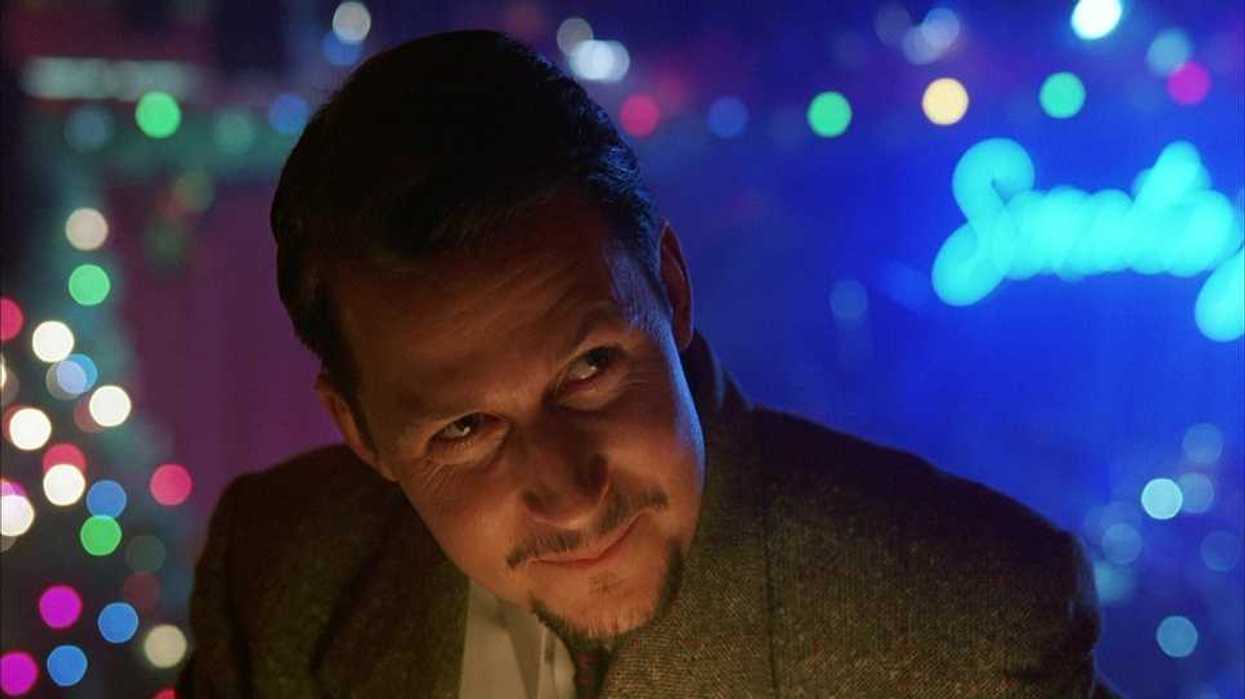
'Eyes Wide Shut'
There is perhaps no film director in history more shrouded in myth, conspiracy, and "what ifs" than Stanley Kubrick.
The guy has so many legends about him that you'd kind of believe anything said about him because he's just such a staggering figure in film history.
Kubrick is so legendary that even his films are shrouded in mystery and lore, especially his final film, Eyes Wide Shut. It was released months after the legendary director's sudden death in 1999, and there are conspiracy theories around it, ranging from the idea that Kubrick was killed by the Illuminati for it to the idea that he never got to finish editing it.
And there might be some truth in one of those ideas...
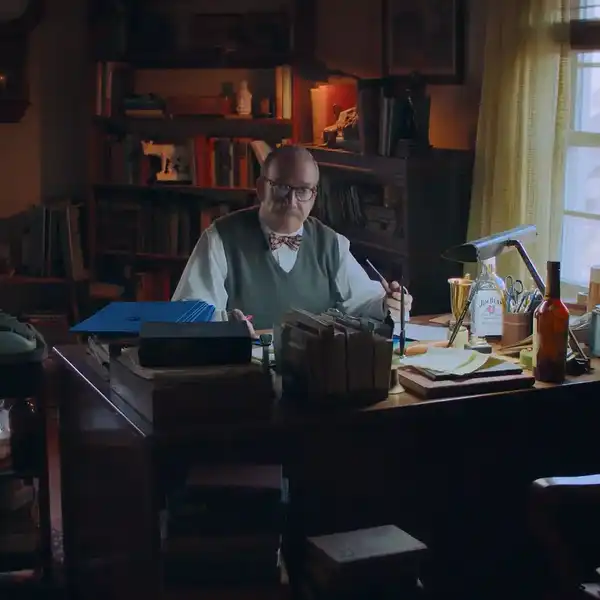
According to Todd Field—who starred in the film as Nick Nightingale before becoming the acclaimed director of Tár and In the Bedroom—the version we know might just be a rough draft.
In a recent report by Indiewire, Field suggested that had Kubrick lived, the film would have looked different.
Let's dive in.
- YouTubewww.youtube.com
The "First Cut" Theory
The official narrative around the movie has always been that Kubrick delivered a cut of Eyes Wide Shut to Warner Bros. executives and stars Tom Cruise and Nicole Kidman on March 2, 1999—just six days before he passed away.
Warner Bros. has maintained that this was the final version, with no frames removed (aside from the digital figures added to the orgy sequence to secure an R rating in the U.S.). We should probably get a cut with all that removed, but I digress...
Nicole Kidman has backed this up, stating in interviews that Kubrick was "very happy" with the edit and wasn't planning to go back to the drawing board.
Todd Field, however, sees it differently.
Having spent time on set and in post-production with Kubrick, and argued that the screening was merely a presentation of a first cut.
He said:
What we have is Stanley’s first cut. He died six days after screening that cut for Tom, Nic, [and Warner Bros. chiefs] Bob [Daly] and Terry [Semel]. If Stanley’s post-production on past films is taken into even modest consideration, it’s clear that the film would be different. However, it would be foolish to try and speculate about what might have changed had Stanley lived to make it so.
The Kubrick Process
Field’s argument holds weight when you look at Kubrick’s track record. He was notorious for tinkering with his films even after they hit theaters. With 2001: A Space Odyssey, Kubrick trimmed 19 minutes from the film after its premiere, and with The Shining, he cut the original ending (a hospital scene) after the film had already been released to the public.
Kubrick was an obsessive perfectionist who scoured over every frame. The idea that he would lock the picture on his first pass and never touch it again seems uncharacteristic.
But as Field points out, while it is "foolish to try and speculate" exactly what would have changed, it is almost certain something would have.
The Takeaway for Filmmakers
Whether you believe Eyes Wide Shut is a flawed masterpiece or a finished gem, this debate highlights a universal truth in filmmaking: A movie is never really finished, only abandoned.
What do you think? Is Eyes Wide Shut perfect as is, or can you feel the missing pieces?
Let me know in the comments!