1997 is the year that brought us modern-day classics like Titanic, Men in Black, and Princess Mononoke. Like any other year, there were inevitably some films that, in retrospect, may have been treated either too harshly or not given their due attention at all.
Let’s take a look at some of the most underrated and overlooked movies of 1997.
Funny Games
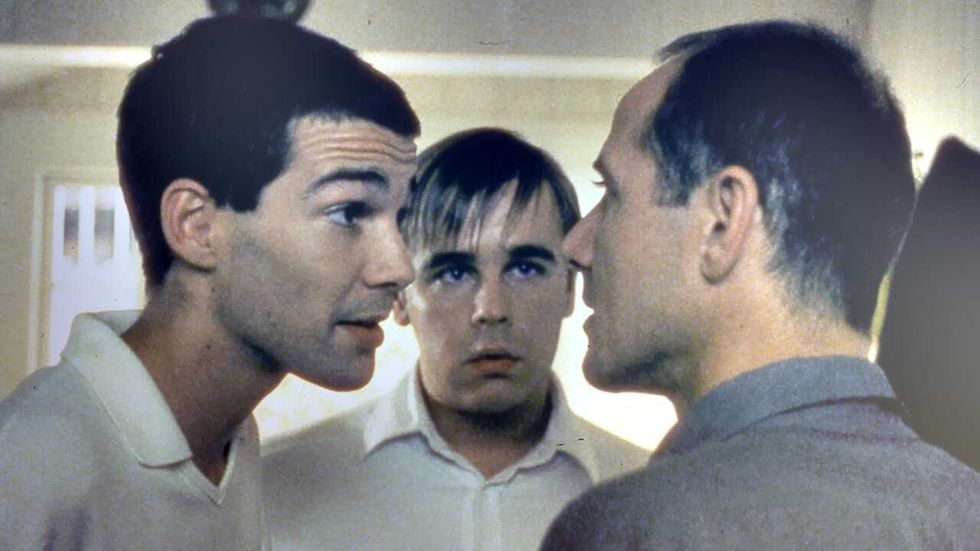 'Funny Games'Credit: The Criterion Collection
Not to be confused with the 2007 English-language remake of the same name, and by the same director, Michael Haneke’s 1997 original Austrian film, Funny Games, is one of the more sadistic meta-horror thrillers of its time. The film is critically revered and well-known in many inner film circles, but this is one that, when I bring it up to many people I know who aren’t directly tied to film somehow, they usually wind up scratching their heads.
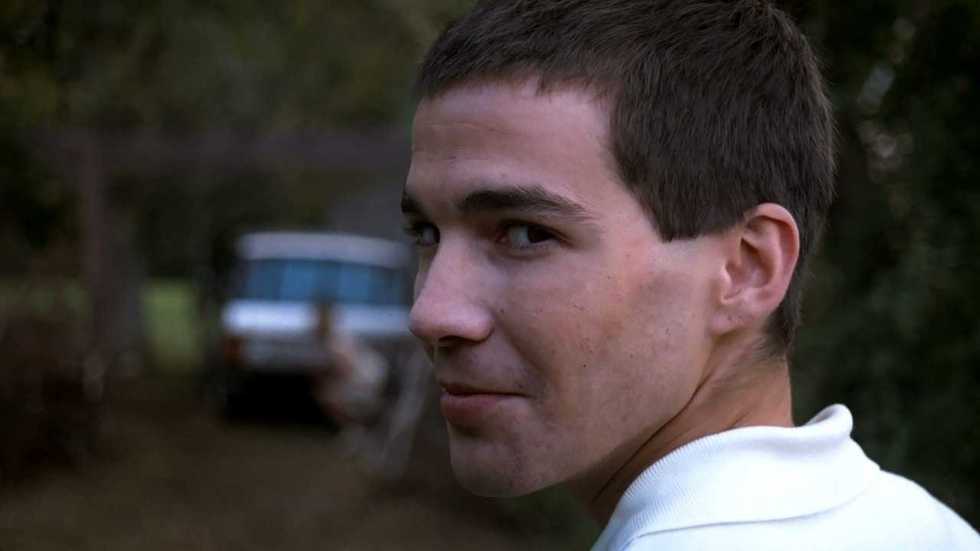
Understandably, the film doesn’t give off the impression that it’s terribly accessible to an untrained eye. It’s subtitled, contains scenes of graphic, horrifying violence against the central family, and on top of that incorporates a chilling sense of meta commentary to the whole thing. The featured image above shows one of the intruders breaking the fourth wall in an extended, voyeuristic shot that is one of the most famous from the film. It’s certainly not a film for everyone, but if you’re looking to expand your taste a bit, look no further.
Crash
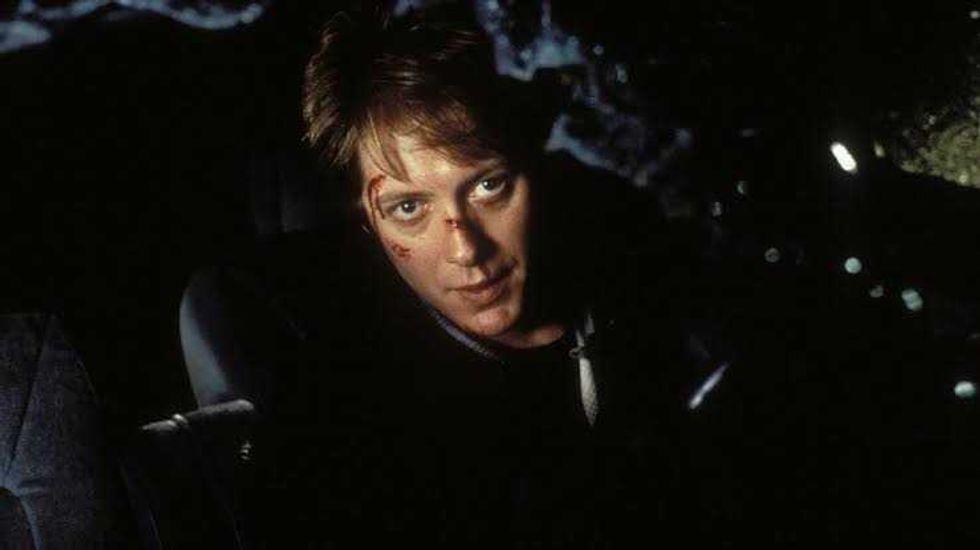 ‘Crash’Credit: New Line Cinema
This one may seem like a bit of a cheat, since technically David Cronenberg’s Crash premiered at the Cannes Film Festival in 1996; however, it was not distributed widely in the US or UK until Spring of 1997. A lot of this had to do with the extreme subject matter and sexual content of the film, which landed the film the infamous NC-17 rating in the United States, the first film to do so since Showgirls in 1995.
The film's reputation certainly precedes it, and if Funny Games wasn’t for everyone, then Crash definitely isn’t for everyone. The film asks you to surrender yourself to some truly dark, frightening, and sometimes nasty imagery in order to get its points across. However, if you’re able to stomach it, the film has quite a bit to say on bodily autonomy and emotional regulation, culminating in one of the most haunting final scenes and dialogue exchanges of the entire decade.
Volcano
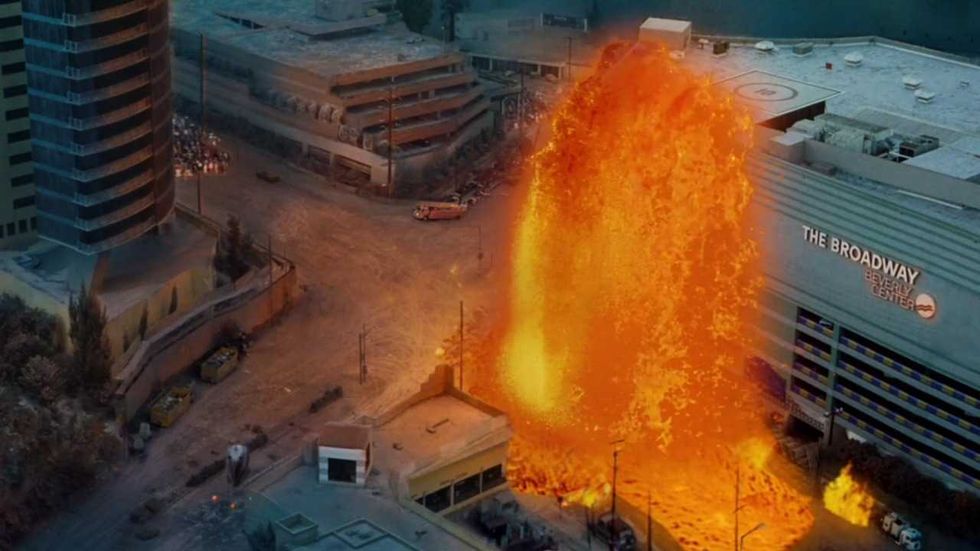 ‘Volcano’Credit: Walt Disney Studios
1997 famously gave us two volcano-oriented disaster movies in the same year: Dante’s Peak and Volcano. Both films have received rather middling reception over the years, but in my opinion, Volcano has quite a bit of cheesy 90s fun to enjoy.
Starring Tommy Lee Jones and Anne Heche, the film follows a group of Los Angeles residents trying to survive a volcanic eruption coming from beneath the La Brea Tar Pits, after a massive earthquake ravages the area. It’s a premise so bonkers that it could only be a product of its time, and thankfully, the film leans into its ridiculousness far more than it may sound.
The film actually has quite stellar visual effects for the time that classically combine newer visual effect technology with practical sets and locations. Given the film’s age, the digital elements are certainly noticeable, but the blending work done to inhibit it as much as possible actually works quite well.
There are several moments that effectively invoke both horror and dread amongst the action, with a key sequence in a subway with a character played by John Carroll Lynch being one that kept me up at night quite a bit as a child. It’s a breezy, relatively short watch that brings the disaster movie fun in style.
The Lost World: Jurassic Park
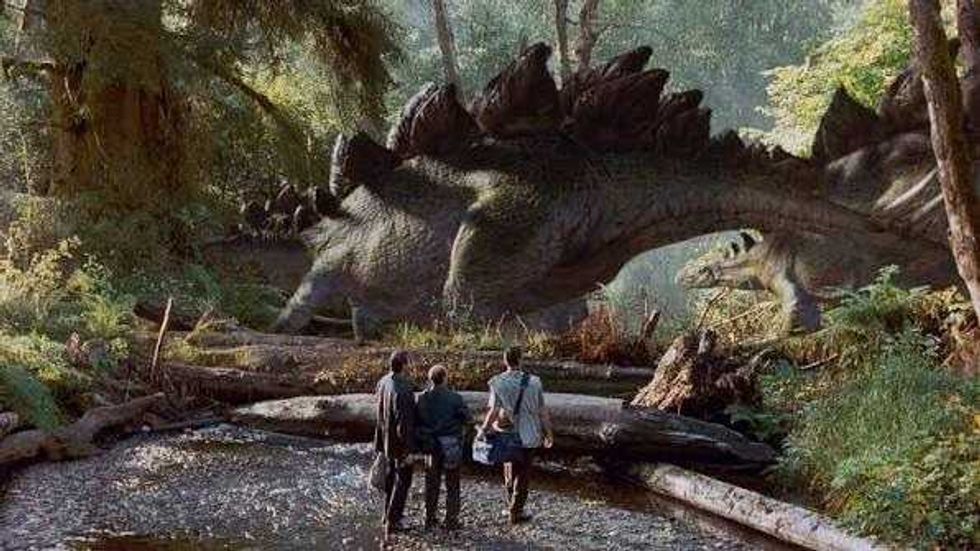 ‘The Lost World: Jurassic Park’Credit: Universal Studios
The Lost World: Jurassic Park is far from an overlooked or an independent film. It broke several box office records during its opening weekend and became the second highest-grossing film of the year. However, to this day, reviews and fan reactions to the film remain mixed to poor. I think this movie absolutely rocks.
It had an impossible task in being a worthwhile sequel to the original film. The original Jurassic Park is such a seminal, landmark film that any first sequel is bound to disappoint a lot of people. With that said, the direction Spielberg took this film both tonally and creatively is utterly fascinating. The film is nail-bitingly suspenseful, so much fun, and a lot more violent than the original.
The third act of the film almost becomes a Godzilla story with a T-Rex making its way to mainland San Francisco. While many have criticized the so-called “goofiness” of this finale over the years, I simply rebut with “it’s a blockbuster movie about dinosaurs, not a courtroom drama.”
Cure
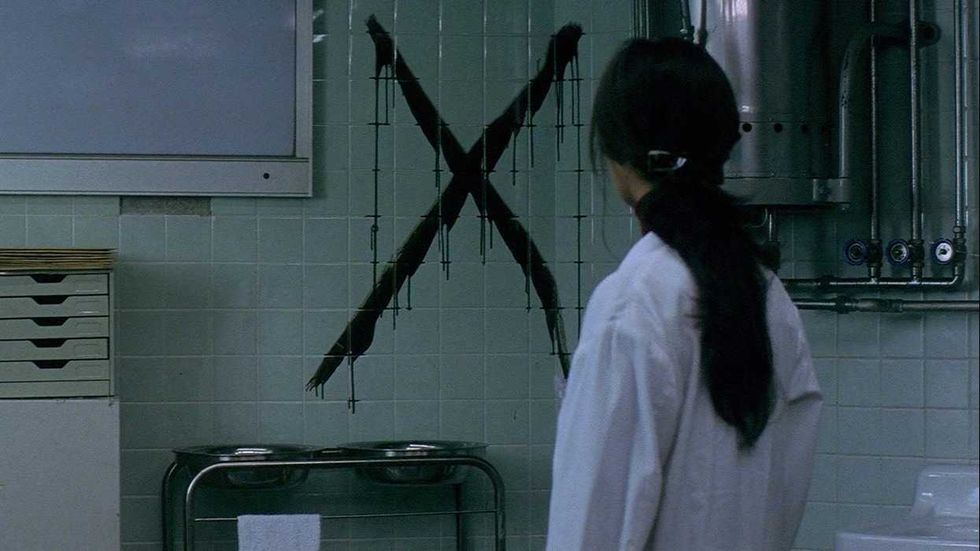 ‘Cure’Credit: The Criterion Collection
Kiyoshi Kurosawa’s crime thriller, Cure, has a method of presentation that is directly antithetical to how most American crime films would frame their mysteries. The murders themselves are solved rather quickly, the direction is slow and methodical, and the more investigation that’s completed, the more the ghostly elements to the film rear their head.
The film isn’t entirely a fantasy, but by the time the film reaches its chilling conclusion, the audience feels deeply spiritually enveloped by a film that teases you with answers, but then at the eleventh hour refuses to give them all to you. It’s a film that demands complete surrender from its audience, and likely multiple viewings to fully appreciate, but its atmosphere and tone are utterly arresting.
- 1991 Had More Great Movies Than You Remember: 10 Overlooked Gems ›
- The Most Overlooked Movies of 1994 ›
- 10 Overlooked Movies of 1991 ›
- 10 Underrated Horror Movies That Deserve the Spotlight ›
- John Hurt Falls For a '90210' Star in This Surprisingly Tender Stalker Film of the 90s ›
- 10 Overlooked Movies of 1993 | No Film School ›