Why Admitting You "Don't Know" Can Land You the Job (Like It Did on 'Whalefall')
"I don't know what I'm doing. I don't know what the answer to this question is. I, I want help."
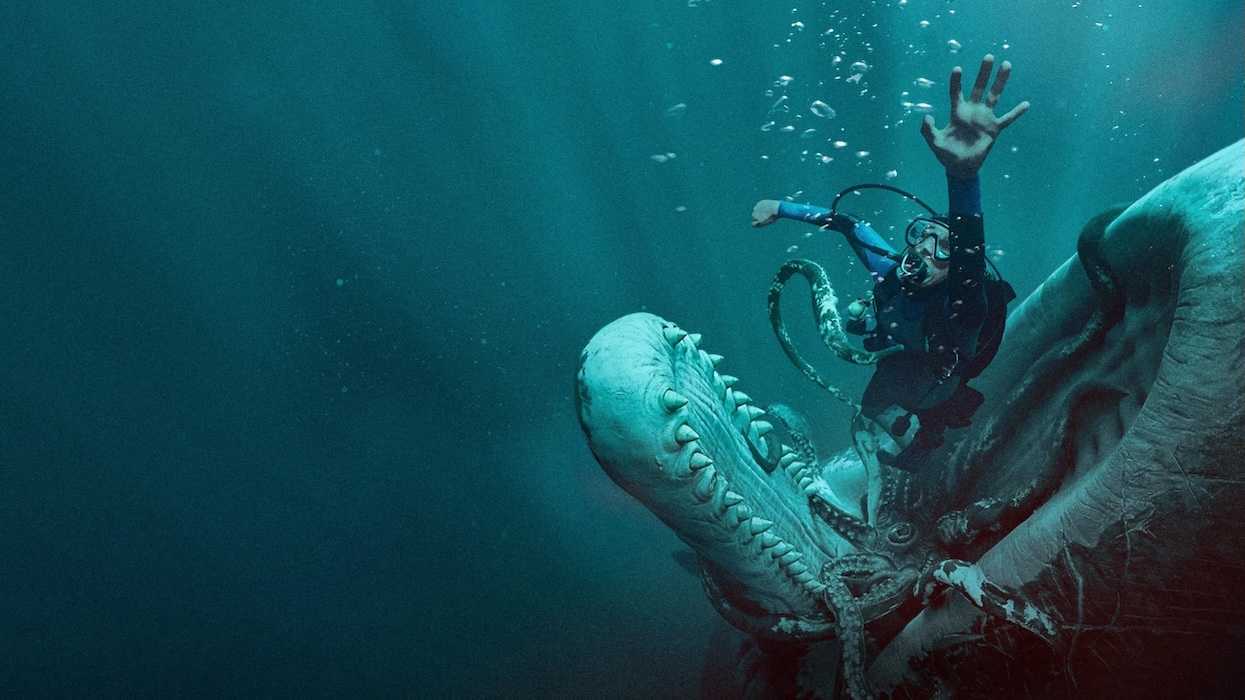
'Whalefall'
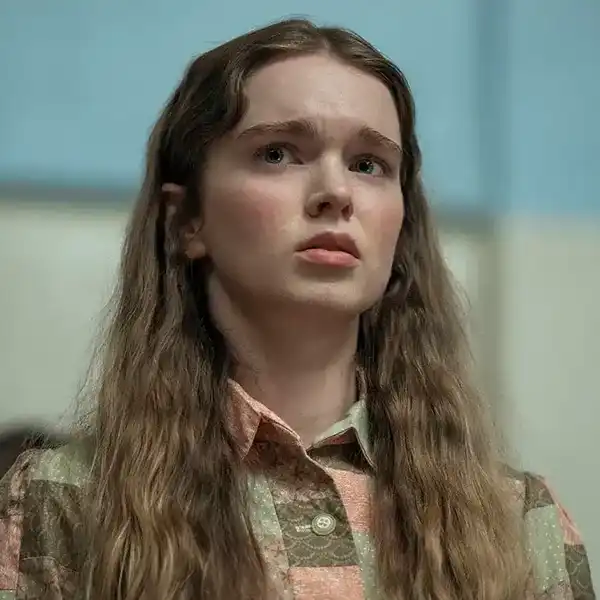
How do you adapt a novel that takes place almost entirely inside the stomach of a sperm whale? For writer-director Brian Duffield and Pulitzer Prize-winning author Daniel Kraus, the answer started with admitting they didn't know how to pull it off.
In this episode of the No Film School Podcast, host GG Hawkins speaks with Duffield and Kraus about bringing Whalefall, starring Austin Abrams and Josh Brolin, from page to screen.
They discuss the scientific research behind the story, the challenges of adapting a novel with dozens of flashbacks, building practical whale interiors with Wētā Workshop, and directing a physically demanding survival thriller. Duffield explains why acknowledging uncertainty helped build trust with studio executives and how surrounding himself with collaborative crew members made an unusually challenging production possible.
Plus, Kanopy's Aaron Spears and Matt Lewis stop by to discuss the Crypt Collection, practical effects in horror filmmaking, and the movies that continue to scare them.
In this episode, we discuss:
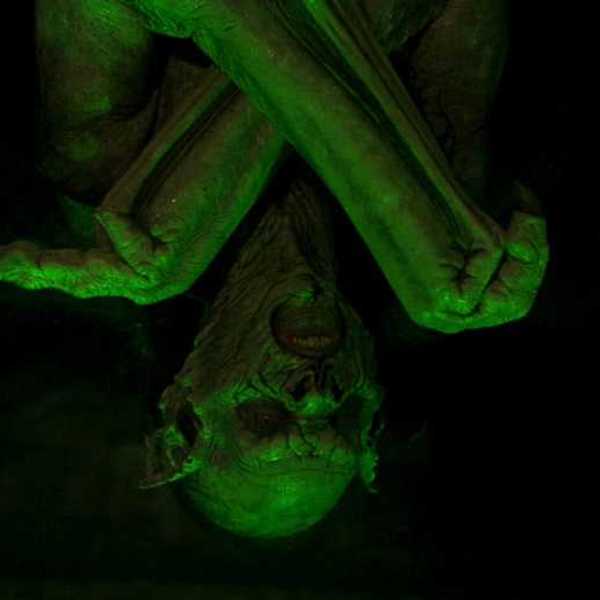
- Kanopy's Crypt Collection and its curated selection of horror films, from folk horror and body horror to low-budget practical effects classics
- Why practical effects remain a valuable filmmaking tool, with examples from Night of the Living Dead, The Toxic Avenger, Chopping Mall, and other horror films
- How Daniel Kraus developed the premise of Whalefall through extensive research with marine biologists and diving experts
- How Brian Duffield discovered the novel through a social media post and pursued the adaptation before the book was even finished
- Why admitting "I don't know" during early studio conversations about Whalefall helped establish credibility rather than undermine it
- The collaborative screenwriting process between Kraus and Duffield, including condensing roughly 50 to 60 novel flashbacks into a much smaller number of cinematic sequences
- How the filmmakers balanced the emotional father-son relationship with a scientifically grounded survival thriller
- Building the whale's moving stomachs and internal anatomy through practical sets, puppetry, visual effects, and experimentation with Wētā Workshop
- How Duffield assembled a trusted film crew and managed unexpected production obstacles, including malfunctioning underwater camera equipment and broken lenses
- Using production design, cinematography, and visual exposition to help audiences understand the geography of a whale's digestive system
- Why creating a collaborative environment where everyone, from production assistants to Oscar-winning department heads, can contribute ideas leads to better filmmaking
- How working together on Whalefall changed Kraus's approach to screenwriting and challenged his assumptions about being a solitary writer
- Advice for emerging filmmakers on choosing collaborators, embracing creative uncertainty, and staying open to unexpected career opportunities
Guest:
- Brian Duffield
- Daniel Kraus
- Aaron Spears — Kanopy
- Matt Lewis — Kanopy
Subscribe to the No Film School Podcast on:
Get your question answered on the podcast by emailing podcast@nofilmschool.com
Listen to more episodes of the No Film School podcast right here: