The ‘12 Years A Slave’ Line That Hurts More Every Time You Hear It
How a few words defined what it means to live with dignity.
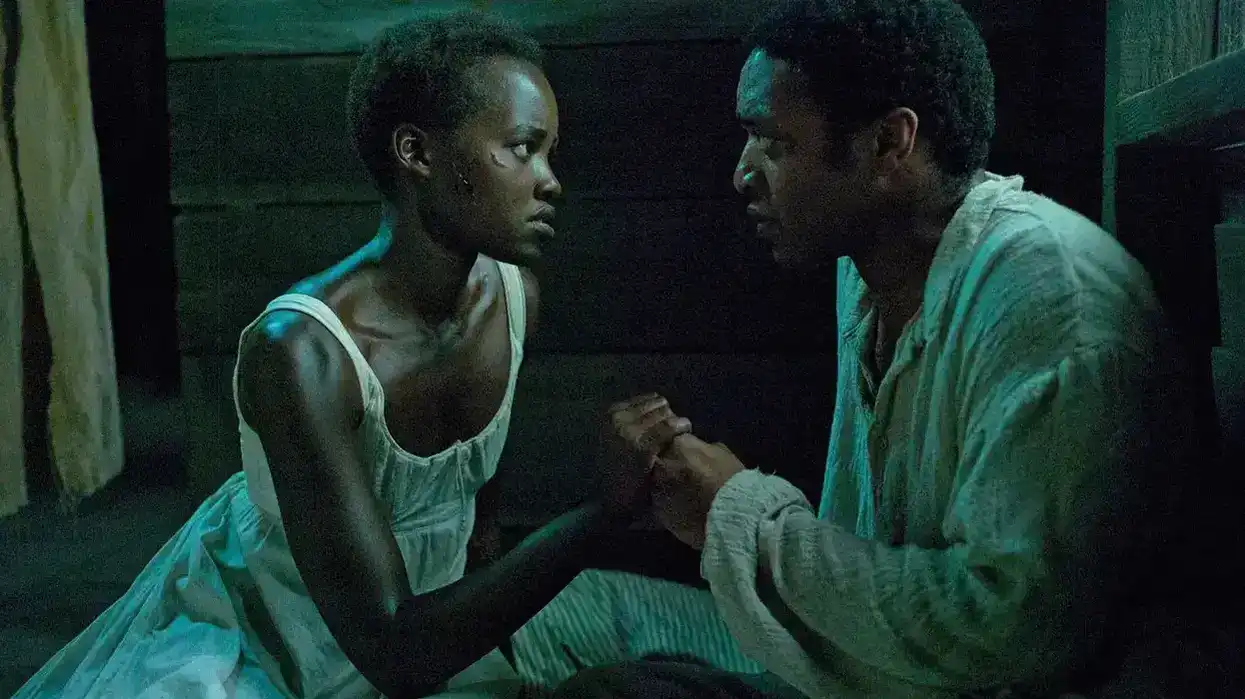
12 Years A Slave (2013)
Some lines are so devastatingly clear, they cut through the noise and define a character’s situation and the fragility of the human condition. “I don’t want to survive. I want to live,” from 12 Years A Slave (2013) is a perfect example of this.
These words draw a clear line between mere survival, marked by suffering, and living as a free human being. It forces audiences to confront the undeniable weight of dehumanization and stands out as one of the most powerful lines in modern cinema.
Let’s take a deeper look at this dialogue and understand what makes it so very powerful.
What Is 12 Years A Slave About?
Directed by Steve McQueen, this film is a historical drama based on the 1853 memoir of the same name by Solomon Northup. Set in 1841 New York, the film follows Solomon Northup (Chiwetel Ejiofor), a free black man, a violinist who lives with his family in Saratoga Springs.
Solomon is kidnapped by two men posing as travel entertainers. He is drugged and sold into slavery in the Deep South under the false name of Platt. Over the next twelve years, Northup endures brutal conditions on plantations in Louisiana, first under William Ford (Benedict Cumberbatch) and later under Edwin Epps (Michael Fassbender).
Northup experiences severe physical and mental suffering, including whippings and forced labor. He begins to form quiet alliances with other enslaved men and women, including Patsey (Lupita Nyong’o) and abolitionist Samuel Bass (Brad Pitt).
After years of unimaginable torment, he manages to send word to the North. In 1853, he was finally rescued and reunited with his family in New York.
Understanding The Line
The line “I don’t want to survive. I want to live.” is spoken by Solomon Northup in a quiet, broken moment. Solomon and the others have endured relentless, unimaginable cruelty. And his declaration is a statement that rejects mere survival for the sake of being alive. It proposes the need for a dignified way of life, devoid of suffering.
The primary focus of this dialogue is to distinguish between survival and living. The word “survive” evokes the idea of simply being alive. It does not take into account the living conditions one must survive in. The word “live” takes these considerations into account. It talks about the idea of living life as a free man, devoid of undeserved suffering.
Solomon, who lived a comparatively normal life before he was kidnapped, has a clear idea of what “living” means, and he reinforces it through his words. The use of “I don’t want” vs “I want” hammers home the differentiation in a way of life that is so basic; the fact that it is even a choice makes it appalling to consider. It tells us how, in the context of slavery, survival was forced upon the slaves, and living life as a dignified human being was systematically denied.
By using simple words, this line makes a demand for living a normal life as a normal human being. Its brilliance lies in how it creates contrast without excessive detail. It brings attention to how the things the world takes for granted were a dream for people who endured countless years of suffering for no fault of their own.
The line forces the audience to feel the pain of what has been taken away from Northup. While we have witnessed his suffering to some extent, this dialogue serves as a painful reminder about the loss of basic freedom and living life under the most unimaginably cruel circumstances.
What This Line Can Teach Writers About Authenticity
“I don’t want to survive. I want to live” is a masterclass in writing authenticity. I’ll explain.
This sentence focuses on the absolute emotional truth and condenses it down to a few sharp, powerful words. There is no attempted poetry or metaphors, just a dedication to expressing the protagonist’s suffering most clearly.
The line’s authenticity comes from its rejection of cleverness. It lays out a simplistic difference between two drastically different ways of living. Even in that differentiation, there is a deep sense of honesty.
The contrast between “survive” and “live” can teach us about the value of using the right words at the right moment. As writers, we could often interchange these words, but this line in 12 Years A Slave bravely points out the difference.
Solomon refuses to accept suffering as his reality. He refuses to accept that he has to simply go on enduring until his days are over. These things count as mere survival, a thought he openly rejects. His belief in basic human freedom and dignity is so strong that his differentiation between survival and living comes from a thorough understanding of it.
The authenticity of this dialogue also lies in how it trusts the audience to understand this crucial differentiation, without explaining or spoon-feeding it to them. It finds philosophy in uncomplicated human desires.
As writers, we could tend to overexpress a character’s emotions because we feel like their plight may not come through strongly enough. This line teaches us how profound human emotions can be put across without overexpressing anything. In fact, it even rejects sentimentality by approaching Solomon’s desire matter-of-factly.
Authentic writing stays true to the characters and the moment. It does not overreach or try to force the audience into feeling something. This line in 12 Years A Slave is a fascinating example of an authentic expression of human emotions, further elevated by Chiwetel Ejiofor’s gut-wrenching and brilliant performance as Solomon Northup.
Final Thoughts
“I don’t want to survive. I want to live” endures because it speaks to something very personal to all of us: the desire to live life with dignity and respect, which also includes the power to say no and live life on one’s own terms.
What is your favorite quote from 12 Years A Slave? Tell us in the comments.