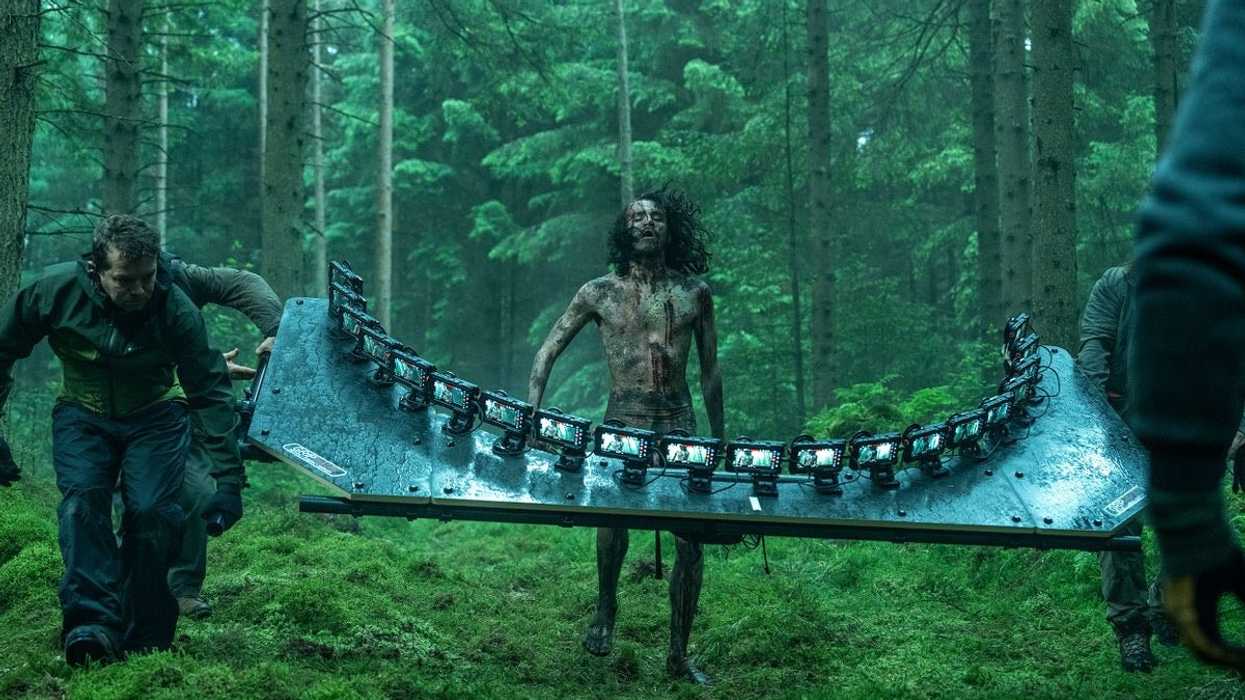
One of the coolest things I've seen recently were photos tweeted out of the behind-the-scenes process on Danny Boyle's 28 Years Later. In the shots, we see 20 iPhones strapped to a creative rig, all shooting simultaneously.
This creative rig went viral all over the world, with people zooming in to see how the phones were mounted and how they were shooting.
Yes, the internet did not lie; this movie was shot entirely on the iPhone 15.
This bold choice moves beyond the novelty of mobile filmmaking and positions the smartphone as a legitimate tool for large-scale cinematic creation.
This isn't the first time Boyle has embraced cutting-edge, accessible technology to define the aesthetic of his post-apocalyptic world. The original 28 Days Later28 Days Later (2002) was famously shot on miniDV cameras, giving it a raw, gritty realism.
And that's part of why they used the phone now, to really make it feel real.
Boyle talks about the process in a new interview with IGN.
Boyle and his longtime cinematographer, Anthony Dod Mantle, didn't just use iPhones; they reinvented how they could be used. The duo developed custom rigs capable of holding 8, 10, and even an astonishing 20 iPhones side-by-side. This multi-camera setup, which Boyle cheekily dubs a form of "poor man’s bullet time," allows the filmmakers to capture action from a multitude of angles simultaneously.
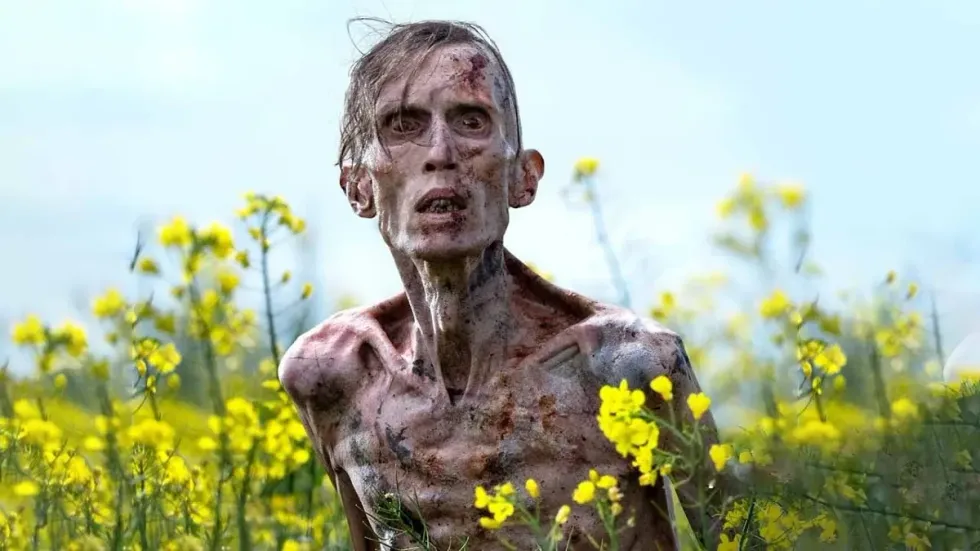 '28 Years Later'Credit: Sony
The result is a treasure trove of footage for the editing room, enabling a dynamic and chaotic feel perfect for the film's intense fight sequences. "As it’s a horror movie, we use it for the violent scenes to emphasize their impact," Boyle stated.
He even teased a specific, groundbreaking shot that showcases the full potential of this technique. "I never say this, but there is an incredible shot in the second half [of the film] where we use the 20-rig camera, and you’ll know it when you see it," Boyle revealed. "It’s quite graphic, but it’s a wonderful shot that uses that technique, and in a startling way that kind of kicks you into a new world rather than thinking you’ve seen it before."
Other films like Sean Baker’s Tangerine (2015) and Steven Soderbergh’s Unsane (2018) have been shot on iPhones, but they were indies.
This is an 80+ million dollar horror epic.
I feel like this kind of creativity and showmanship is exciting because it rewards thinking outside the box. Boyle could have shot this in the normal way, but he's constantly playing and experimenting. That freshness will translate to the screen and to the audience. And it makes me even more excited to see it.
Let me know what you think in the comments.
- How '28 Days Later' Changed Zombie Movies Forever ›
- Here's Why Danny Boyle Shot '28 Years Later' on an iPhone 15 ›
- Get a Glimpse into the Post-Apocalyptic World of '28 Years Later' ›
- Danny Boyle Expands On His Goals For the '28 Days' Franchise | No Film School ›
- The Discourse Around The Zombie Dong in 28 Years Later | No Film School ›
- How Each of the ‘28 Days Later’ Films Analyzes Zombies and People Differently ›
- Apple Debut Foldable iPhone Duo Plus 48MP Fusion Main Camera iPhone 18 Pro | No Film School ›