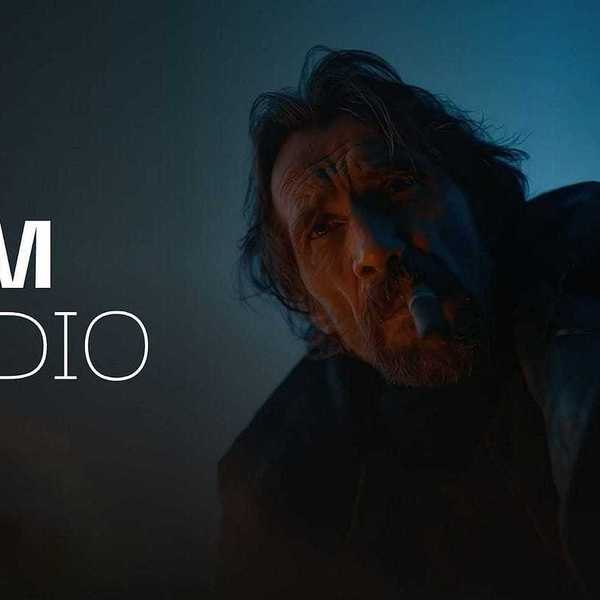
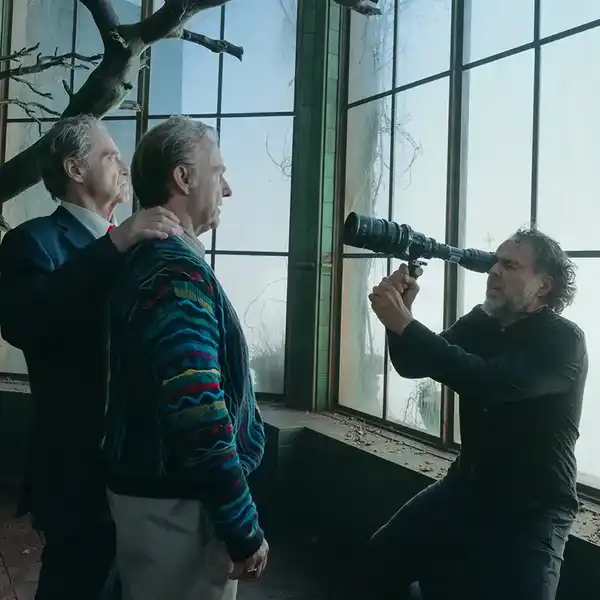
A24 has long been one of the most respected companies in all of Hollywood. They have this vision of being a studio that makes singular movies by great auteurs.
They brought us the uncompromising human visions of Ari Aster, Robert Eggers, and Celine Song, among many others. And their brand in Hollywood was as close to perfection as you can get.
Then, all in one moment, you had every corner of the internet wondering if A24 was "cooked". So what happened to make this turn on a dime?
A24 announced a deep research and development collaboration with AI company Google DeepMind.
For many creators, the alliance feels like a betrayal of the very ethos that built the A24 brand and a betrayal of filmmakers. But is it?
As it turns out, there's a lot more we need to explore in this deal.
Let's dive in.
The Defense: "A Seat at the Table"
People online are going to implode the second they hear about AI. So we're going to try to keep an objective mind about this one.
A24 is a company that prides itself on getting filmmakers the tools they need to complete their visions.
That means, it behooves them to at least explore what AI has to offer and if it could help any film under their umbrella achieve greatness.
As the online backlash intensified, A24 scrambled to handle the public relations fallout. A company spokesperson issued a statement to Wired, where they tried to frame the deal as an artist-first maneuver:
“We’re working side-by-side with DeepMind’s researchers to learn, iterate, and build, having an active hand in shaping new tools and workflows,” they said. “This is about learning and helping pain points in workflows behind the scenes. […] It exists because we want to dictate what tools get built for artists, so they have a voice in shaping them rather than having tools handed to them."
We've heard this argument before, and I do think it is a good one. These are tools out there that may save time and money, and allow auteurs to get their voices onto the big screen.
Wouldn't you rather have filmmakers involved in how these tools are developed and come to fruition?
Fan Push Back
A24 has tons of fans across the globe, and many of them, along with other filmmaking communities, are pushing back on the message and messengers.
Their argument is that A24's statement misses the point entirely.
To many, taking $75 million from a tech giant isn't "shaping the tools." It's A24 providing a prestigious stamp of approval to models trained on the unauthorized work of thousands of independent artists.
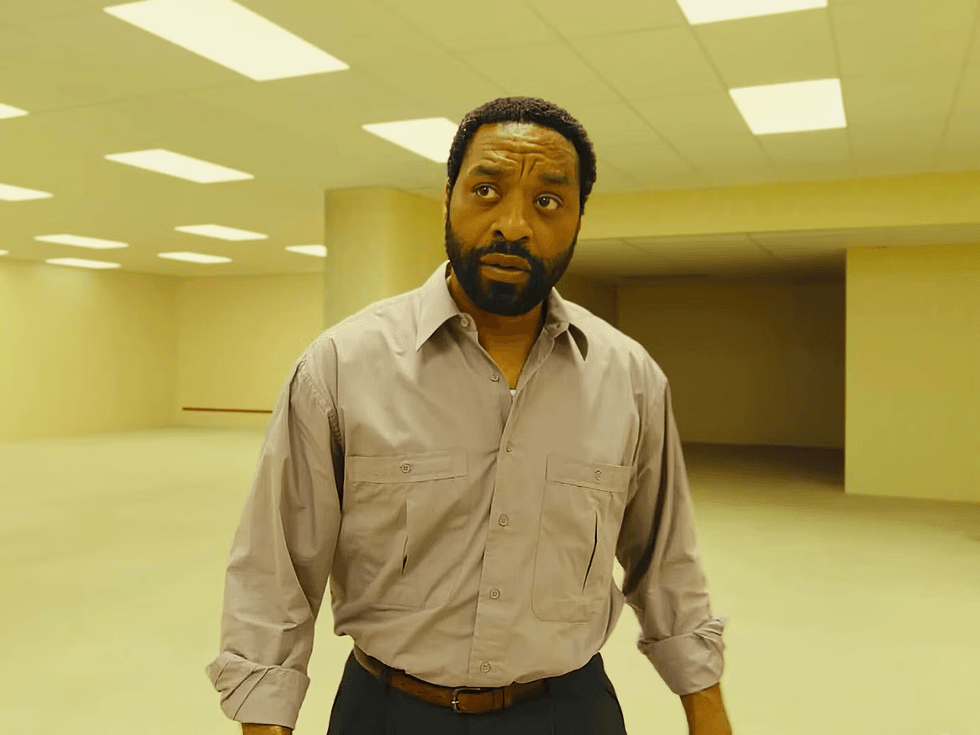 A Glossary of Structural Concepts for Screenwriters Credit: A24
What Does Google Actually Want?
I think this is where the exploration needs to start for many people. What does Google's AI want with A24, and why is this partnership worth it to them?
This is not a company chasing Oscars. But they do need the cultural capital and approval of the best filmmakers, especially young up-and-comers, to win the race to become the industry-standard AI video-generation platform.
So why not do it with a company known for its trailblazing ways?
This partnership breeds unmatched creative legitimacy. If next-generation auteur filmmakers are exposed to Google's video-generation models (like Veo2 and Veo3) early in their careers under the A24 umbrella, they will carry those workflows with them as they rise through the ranks.
And those workflows can then be integrated with other tools because pressure surrounds them, so you can see post-production software suites having to also integrate these tools, which would be a huge market share.
The Worry
As always, the worry is that you're then training Google AI on all your work for free. Using these tools allows them to get better based on all the hard work you're doing, or the A24 teams are doing on their films.
The tools may help your movie, but down the line, what happens when it's learned some workflow or to copy certain things you trained it on without compensation?
Or what happens if A24 decides they don't want to hire a director for a project in ten years, they want to see if AI can direct? And they are able to do it because they've had a decade of learning the systems' learning patterns?
Maybe would say that's over worrying and why you have unions ot step in, but I am just here to ask the big questions and echo the sentiments I have read online.
The Broader Hollywood AI Rush
We write about A24 because they are in the news right now, but they are not even close to being the only company changing AI deals.
We've covered others, too.
- Netflix recently acquired Ben Affleck’s AI-focused tech venture, InterPositive, for a reported $600 million.
- Lionsgate partnered heavily with Runway to create customized AI video generation models trained on its own deep library.
- A-List Creatives: Martin Scorsese recently joined Black Forest Labs as an advisor, noting that advanced software can significantly speed up the tedious process of storyboarding.
The fears remain the same: Lowering the cost of production almost always correlates with fewer paid hours for working-class crew members, concept artists, and post-production specialists.
That will never change.
Summing It All Up
There will always be disagreements about how AI should be used by filmmakers. We're still in the very early days of it existing and being able to be manipulated.
I am of two minds. I don't want any jobs to be lost, and I want the money going into AI to be used to find new filmmaking voices. But I also want filmmakers ot have a hand in where Hollywood is going and in the latest tech. If it can make more movies, there will be more opportunities.
Whether A24 can maintain its status as the champion of the independent artist and voices while cashing a $75 million check from Google DeepMind remains to be seen, but the conversation has definitely changed.
What do you think about the A24 and Google partnership?
Let us know your thoughts in the comments below.