Aaron Sorkin Explains What AI Gets Wrong About Storytelling
This all-encompassing interview takes you on an epic ride with a lot of lessons.
'The Social Reckoning'
I was trying to think of a more famous screenwriter in modern Hollywood than Aaron Sorkin, and I came up with nothing.
The guy has been making movies and TV shows we love since the early 90s, and he gives a great sound bite and an even better interview.
That's why I was so pumped to see him do this wide-ranging conversation with Esquire editor-in-chief Michael Sebastian. These sit-downs are intimate, and you get to hear the real thoughts and ideas Sorkin has had throughout his illustrious career.
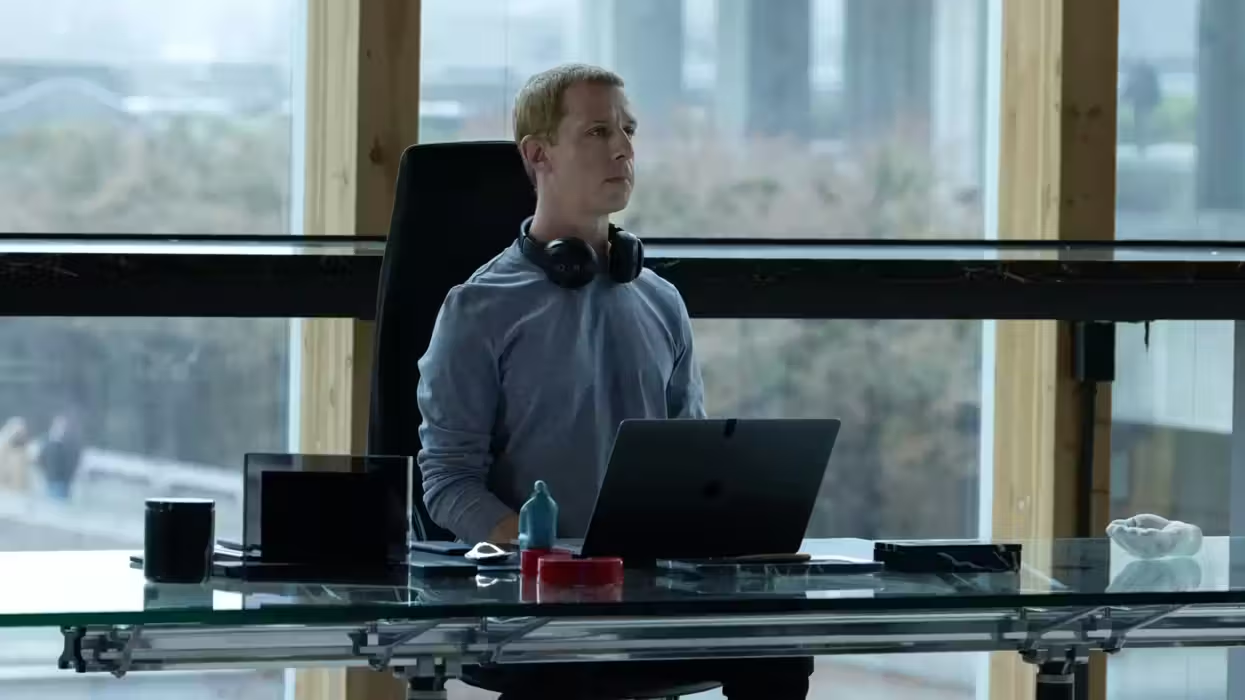
From writing The West Wing to directing his latest project, The Social Reckoning, Sorkin goes into detail about the writing industry and expectations of a writer.
Let's dive in.
1. Storytelling Truth vs. Literal Truth
One of the most essential takeaways for screenwriters is Sorkin’s philosophy on truth. He put it pretty simply: your allegiance as a dramatist must be to storytelling truth, not literal fact.
Or, as the old saying goes, "Never let a fact get in the way of a good story."
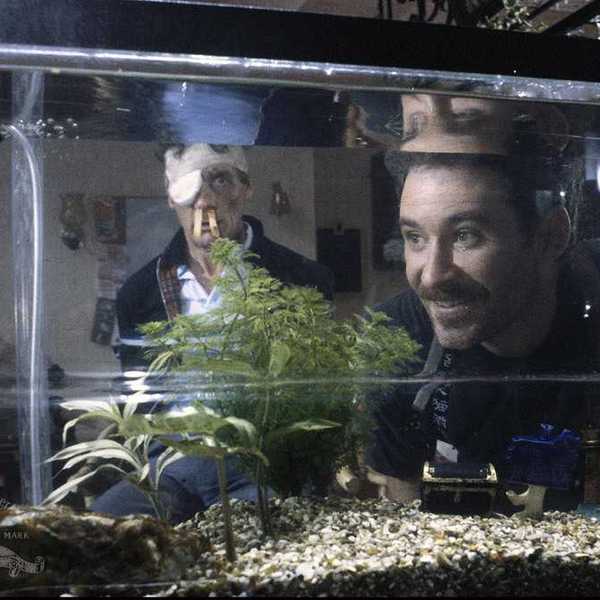
To make his point, he talked about an iconic scene from The Social Network.
Basically, in real life, Mark Zuckerberg was drinking beer in his dorm room while writing the blog post that launched FaceMash. But that felt kind of stale. So Sorkin wrote Zuckerberg making a vodka and orange juice, so it was more in character.
When Fincher came in to direct, he pointed out the historical inaccuracy and wanted to change it to beer. So the two of them had a discussion, and Sorkin fought for vodka because a college student pouring vodka conveys an explicit intent to get drunk, whereas opening a beer could just mean he was thirsty.
"The important truth isn't what he was drinking—it was that he was drunk... It’s a painting, not a photograph."
2. Dialogue is Music, Not Just Data
I love the rhythm of Sorkin dialogue. It's maybe the thing he's so famous for: the musicality of how his words stream from his characters and paint such a beautiful picture.
His walk-and-talks are among the most recognizable things on TV and in movies.
For Sorkin, dialogue should function like musical composition, in that what is said matters just as much as how it gets said.
One of the things that makes Sorkin so unique is all the different directors who have taken a crack at his scripts. It's fun to see how they tackle certain aspects and then how much everyone has in common.
In the video, Sorkin cites working with Rob Reiner on A Few Good Men as a foundational learning experience in working with a director. Reiner treated dialogue with reverence, refusing to allow actors to ad-lib so that the rhythm remained intact.
Other times in his career, that was not always honored.
3. "Trust Me, I'm Aaron" Scenes
I think we all wish we had as much power as Sorkin, who can kind of drop the mic when confronted and tell people to trust his vision. He's been around the block now and has earned that trust, especially with all of his successes.
This was also something he learned from Reiner, who would ask Aaron to go back to his desk and work scenes out rather than pitching them out loud because it was easier to prove himself that way.
Reiner dubbed those the "Trust me, I'm Aaron" scenes.
The lesson here is to just write it if you feel like you can't pitch it.
4. Outline vs. Free-Writing
I am a big fan of writing a script outline, but Sorkin approaches draft writing organically. He's not writing anything formal before jumping in,
His process is to wait until he has three index cards pinned to his board representing key beats before jumping into page one.
Then, he just sits down and writes to those beats.
His analogy here is using a flashlight to go through a forest. You can only see as far as the beam reaches ahead of you, but as you move forward, the path further along illuminates itself.
Those beats get him walking, and as he walks, he sees more and more.
5. Why Generative AI Will Fail in Cinema
This is originally why I tuned in. I wanted to hear Sorkin's point of view on AI, since AI has been one of the things shoved down our throats over and over again,
And especially because it feels like these AI bros are always trying to get AI to spit out scenes that mimic Sorkin.
Sorkin expresses a confident, humanist view that AI-generated stories will ultimately fail, largely because they lack resonance with humanity, since they have never lived.
To make his point, Sorkin recalled seeing an abstract painting made by a machine at a party. When he learned a machine created it, his emotional response disappeared because he saw there was nothing behind that art.
We want to see art developed by people.
"We are going to find out that it matters that they were people... We are not going to feel a connection to computer-generated characters, dialogue, stories, paintings, or songs."
Summing It All Up
Aaron Sorkin is an interesting person, and I think his life can be seen in his writing. We see this evolving guy trying to figure out not just tech but how people work. It's what has drawn the audience to him for the last 30+ years and why we still engage with his work today.
I'm excited to see what he does next.