7 Best Maggie Gyllenhaal Movies, Ranked
We rank the performances that turned an indie actor into a writer/director.
'The Kindergarten Teacher'
Maggie Gyllenhaal was born in New York City on Nov. 16, 1977. While she was initially known as an actor, she soon also made a name for herself as a writer and director as well, with her latest film being the 1930s horror/romance reimagining of Bride of Frankenstein. Her brother Jake Gyllenhaal acted in the film, and it was the first time they'd worked together since their cult hit Donnie Darko.
She made her feature film debut at 15 in one of her father's films, and since then has appeared in a range of bold mainstream and quirky indie roles, always challenging herself with complicated female characters. As a director, her first feature, The Lost Daughter, earned three Oscar nominations.
The Lost Daughter taught her she's "always been a director," she told Insider.
"I just didn't feel entitled to admit it to myself," she said. "So, weirdly, I think it was playing Candy on The Deuce, playing a porn director on television when I kind of went, 'This is me actually.' And I think it's true, I think it's a better job for me."
In honor of her storied career as an actor so far, We're ranking these on how well they work as cinema, not how much they made or how famous they are. Along the way, you'll see how an actor who picks material for its difficulty ends up directing.
- YouTube www.youtube.com
The Dark Knight
We know, we know. This is her most famous movie, and a lot of people like to put it at No. 1 as a result. Gyllenhaal stepped into the role of Bruce Wayne's love interest after it was recast from Katie Holmes, and she brought a lot of authority and independence to the character, but the film ultimately belongs to Heath Ledger and Christopher Nolan.
"We wanted to make Rachel a real woman," she told CBS News. "We wanted to make her a smart, funny woman who cares just as much as all these guys care about making the world she lives in a better place. When I knew that he wanted to do that, too I thought, 'okay, I have to do it.'"
She told Interview Magazine that because she'd seen Nolan's earlier films, she never worried the part would be a compromise. She knew her part was small in a fairly huge movie, but she still pushed the character.
"There would be literally a thousand extras and [Nolan would] be working with the DP on complex shots; then he'd come to me and have really exciting ideas about my tiny little scene. And every place where I thought, Okay, I need to make sure Rachel is not just the damsel in distress, I'm going to push it a bit, he would push me even further. So it ended up being really fun."
- YouTube www.youtube.com
Secretary
This is the indie role that launched her career. Gyllenhaal plays a lonely office employee who finds connection with her boss (James Spader) via consensual BDSM. The film works because it's so brave, and because the lead understood how it could go wrong. She told the BBC:
"I knew immediately that it was a smart movie with a political agenda, that it was intended to be transgressive and to push something forward. I wasn't completely trusting that a director I had never heard of before was going to have the same intentions that I had. In the wrong hands, the script could easily be an anti-feminist reactionary movie, and that my character Lee could be this male fantasy that gets off on being submissive."
Director Steven Shainberg told her he didn't know what he was trying to say but wanted to explore via the film, and she agreed to join him.
- YouTube www.youtube.com
Stranger Than Fiction
This is one of the aughts' most charming high-concept indies. Zach Helm's script needed one character to stay grounded, and Ana Pascal is that character. Will Ferrell plays an IRS auditor who can suddenly hear his life narrated by an unseen author (Emma Thompson).
"My character was trying to wake him up, shake some life into him," Gyllenhaal told The Washington Times.
- YouTube www.youtube.com
Mona Lisa Smile
Set in 1953 at the conservative women's Wellesley College, the story follows art history professor Katherine Watson (Julia Roberts) as she tries to instill independence in her students. In Mike Newell's big studio ensemble, Gyllenhaal's Giselle is one character who feels particularly alive.
The film helped guide her career.
"I don't want to be a huge movie star," she told The Irish Times. "I just made a movie with Julia Roberts, and I saw how much she has to protect herself. It is such an effort for her, and it becomes so difficult to penetrate that protective layer that she needs to have just to walk down the street."
- YouTube www.youtube.com
Crazy Heart
Writer/director Scott Cooper's Crazy Heart brought Gyllenhaal a surprise acting Oscar nomination for Best Supporting Actress. She plays a single mother and journalist who falls in love with Jeff Bridges' aging country star.
She told Oprah.com:
"I think it's the most grown-up work that I've done, and I think it's the most vulnerable. I used to think that the ideal was to be as strong as possible and that that was the most interesting and triumphant thing to watch onscreen. The characters I've played before that I've been especially proud of have been fierce powerhouses, but Jean is different. She's much gentler; she's much more vulnerable. She's a really feeling person, and I guess I feel proud of being able to reveal that."
- YouTube www.youtube.com
Donnie Darko
The film's first line belongs to Elizabeth Darko, played by Gyllenhaal. The sci-fi psychological thriller about a time travel paradox has become a cult classic.
Jake Gyllenhaal told The Guardian:
"It was my idea to have my real-life sister, Maggie, play my sister in the film. We were going through a competitive phase, which fed into the dinner-table scenes, where she tells me: 'You can go suck a fuck.' Maggie was the reason I got into acting and is the more formidable of us."
- YouTube www.youtube.com
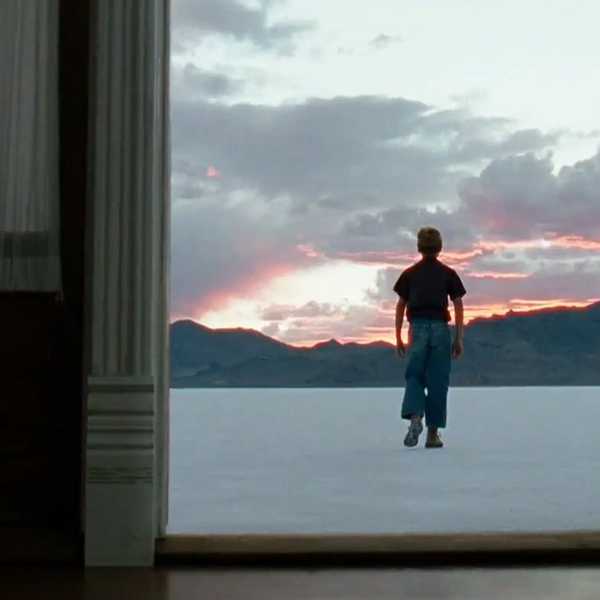
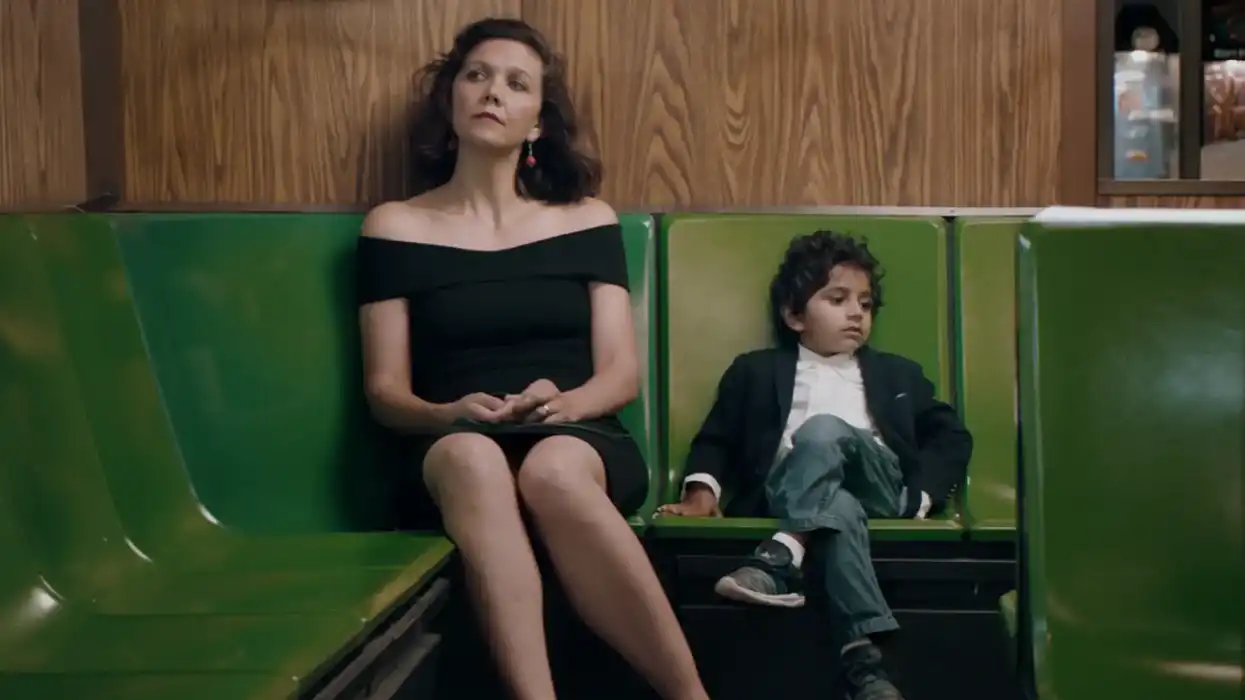
The Kindergarten Teacher
In one of her most challenging roles, Gyllenhaal plays a teacher and failed poet who becomes obsessed with one of her students. This is also the first feature film on which Gyllenhaal is credited as a producer.
She saw the character as complex and real, and more than just "unlikable," she told Vice.
"This is a woman with an exciting mind who’s not getting the artistic and human connections she needs. Ultimately, she’s driven crazy by the insanity of the culture and the time that she lives in—and she lives in the same culture and time that we do! She crosses way more lines than most of us can imagine crossing, but she’s also us. Somebody said to me outside on the street, 'I loved your movie, how were you able to live with such an unlikable person? Why do you have to push her so far away from yourself? Isn’t it a more interesting movie if she feels like you?'"
This perspective is the clearest preview of the director she eventually became. Let us know your favorite Gyllenhaal roles.