How to Write Action Sequences That Double as Character Beats
It's time to use your scenes for two reasons, and not just one.
'The Town'
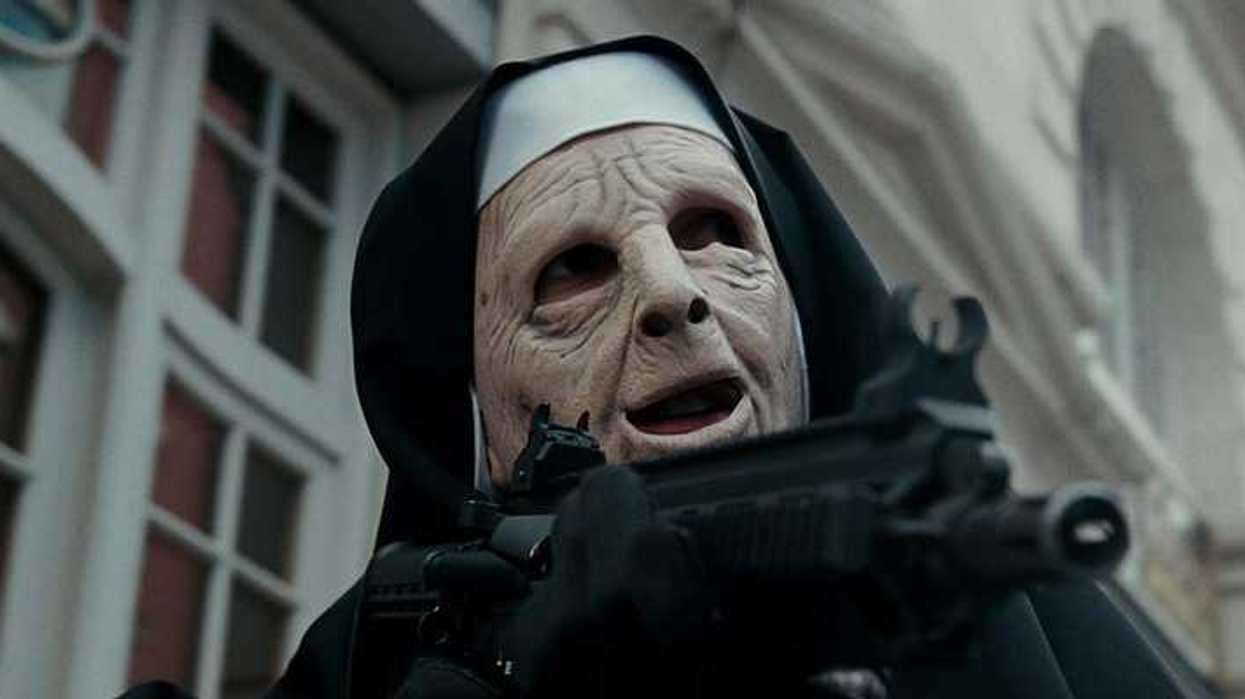
I was sitting on the couch yesterday watching one of my favorite movies, I just like to put on: The Town. When I watch it, I just get absorbed into the story and always have a good time. It has everything I like in a movie: action, a little sex, and some badass characters.
One of the things it does really well is just give us these amazing heists that also function to tell us so much about these guys and how they function in the story.
In the world of professional screenwriting, a fight scene isn't a break from the story; it is the story.
Let's dive in.
- YouTubewww.youtube.com
1. Fighting is an Extension of Personality
We talk about what defines a character a lot on this site. Many times, people think it comes down to what they say, but it's really what they do.
A character’s fighting style should be as distinct as their dialogue. Actions speak louder than words, after all.
If your protagonist is a nervous CPA, they shouldn't be doing backflips and John Wick headshots...unless that's part of a character reveal we get later. They should probably be clumsy and wimpy.
Same thought goes into a Navy Seal; they should be adept and calculated.
These are archetypes, but you see that each person's actions should define who they are as a person.
- The Example: Look at Sherlock Holmes (2009). When Sherlock fights, we see the world through his "detective vision." He calculates the physical toll of every strike before he makes it. This isn't just a cool visual. It tells us Sherlock is a man who can’t turn his brain off. He’s cursed by his own intellect, even in a street brawl.
- YouTubewww.youtube.com
2. The Mid-Fight Moral Dilemma
This is one of my favorite tropes. You have two characters fighting, and to win, the bad guy gives the hero an option: save someone's life or catch them.
The best way to reveal character is to put them in a situation where winning the fight means losing their soul—or at least their objective.
- The Example: The train sequence in Spider-Man 2. Peter Parker is exhausted. He’s being pummeled by Doc Ock. But the "action" climax isn't a punch; it’s Peter using his own body to stop the train. It’s the physical manifestation of "With great power comes great responsibility."
- YouTubewww.youtube.com
3. The Environment is a Mirror
How a character uses the room reveals how they solve problems. Are they precise? Are they desperate? Where your people are fighting is just as important as why. And their actions in the space can reveal a whole lot of who they are to us.
- The Example: John Wick and the library book. We’ve heard the legends about the pencil. When we see him kill a giant with a hardcover book, it reinforces the "Baba Yaga" mythos. The environment isn't just background; it’s his toolkit.
- YouTubewww.youtube.com
The Screenwriter's Action Audit
I like to use this in every action scene I write. Before you type EXT. ALLEYWAY - NIGHT, run your scene through this checklist:
| The Question | The Goal |
| What is the goal? | Beyond "don't die," what do they actually want? |
| What is the flaw? | How does their internal struggle make the fight harder? |
| What is the cost? | What do they have to sacrifice to walk away? |
4. Dialogue Should Be a Weapon
Forget the quips. Actually, don't forget the, just make sure they're as good as the ones we used to get in the '80s. Dialogue in a fight should be about psychological warfare or desperate negotiation. Or be really funny.
This is all just my opinion. But I think it's smart for writers to think about purpose.
- The Example: The Empire Strikes Back. Darth Vader spends the first half of that duel fighting Luke with one hand. He’s barely trying. His dialogue—"You are not a Jedi yet"—isn't just trash talk. It’s a father evaluating his son’s progress. And then revealing to him that he is his father, to not just win the battle but to eviscerate his son. The action reflects his dominance.
- YouTube www.youtube.com
5. The Emotional Pivot
You can get a lot of emotions out of these fight scenes. Mostly because people can be worried about their lives.
A character should enter a fight feeling one way and leave feeling another. If they start the scene arrogant, they need to end it humbled (or dead).
- The Example: Furiosa in Mad Max: Fury Road. Her fighting style is pure pragmatism. There’s no flair. By the time she finishes a sequence, she isn't celebrating; she’s gasping for air, looking for the next threat. It shows us her world has no room for ego, only survival.
- YouTube www.youtube.com
Summing It All Up
Stop writing "They fight" and start writing about how they feel while they fight and how that fight ends up changing them. If you can make the audience care about the character's internal struggle while they're dodging bullets, you’ve done your job.
Let me know what you think in the comments.