Role reversal in the film industry is more common than you think.
If you ask me, the director’s chair is open to anyone who is up for the job. If you are a visual storyteller who can design images to provoke emotions, you are a film director—that’s the only requirement.
One of the most common role reversals is editor-turned-director, which is only natural because any film ultimately takes shape on the editor’s timeline. Another common one is an actor taking the director’s chair.
In this article, we’ve compiled a list of actors who directed their own films (and most of them have starred in them, too).
11 Actors Who Also Directed Films
The following actors are truly worthy of the director’s chair:
1. Charlie Chaplin
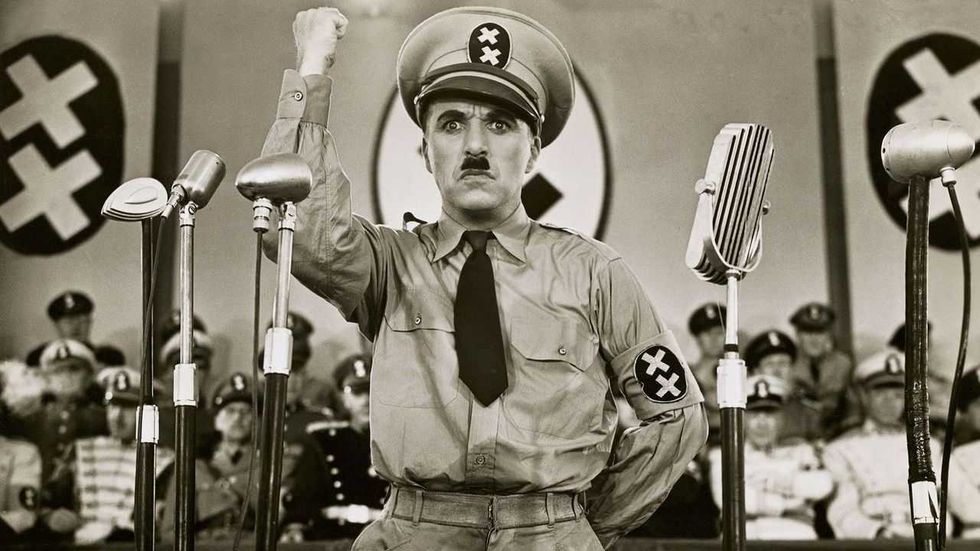 The Great Dictator (1940)Source: United Artists
A legend who made people laugh by turning poverty into poetry, Charlie Chaplin’s contribution to cinema is unprecedented.
Chaplin assumed the director’s chair from 1915 onward and directed about 15 feature films (and numerous shorts), with the most notable being The Kid, The Gold Rush, City Lights, Modern Times, and The Great Dictator.
The last one is his first talkie, in which Chaplin plays dual roles as a Jewish barber and Adenoid Hynkel, the dictator, in a story that aims to condemn dictatorship through playful humor.
His merging of slapstick with pathos became a pioneer for dramedy. A perfectionist, Chaplin was known to be thorough and extremely particular about his preparation as a director in every film.
2. Orson Welles
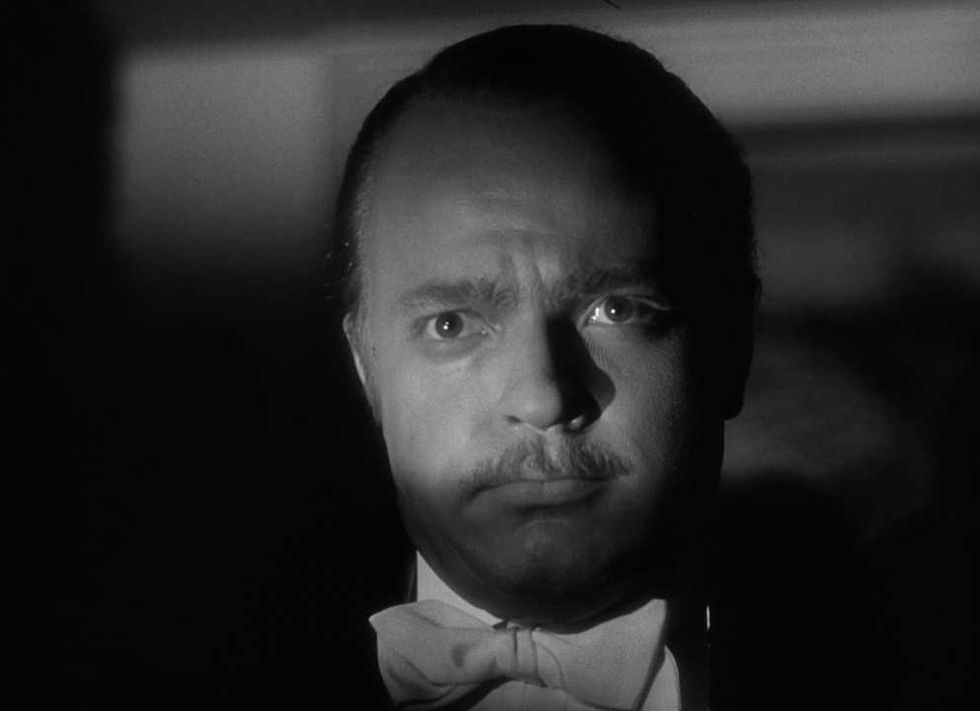 Citizen Kane (1941)Source: RKO Pictures, Warner Bros., Paramount Pictures
For any actor who wants to try their hand at directing but is scared, I recommend watching Citizen Kane again for motivation.
In addition to starring, Welles delivered an iconic directorial debut in Citizen Kane, playing the aging Charles Foster Kane from his early days to his death. Subsequently, Welles appeared in additional films, including Touch of Evil, Mr. Arkadin, and Chimes at Midnight, establishing his acting credentials; however, Kane remains his most celebrated performance.
3. Clint Eastwood
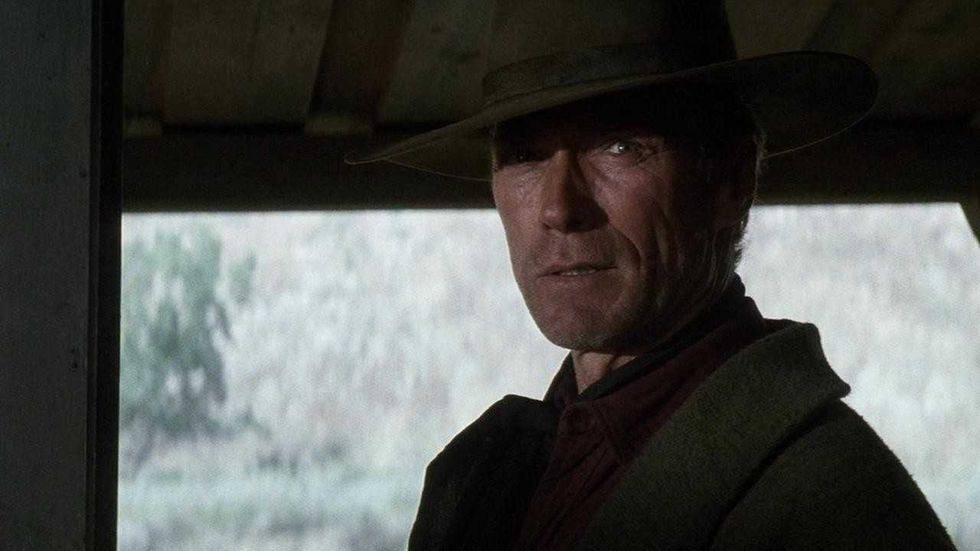 Unforgiven (1992)Source: Warner Bros.
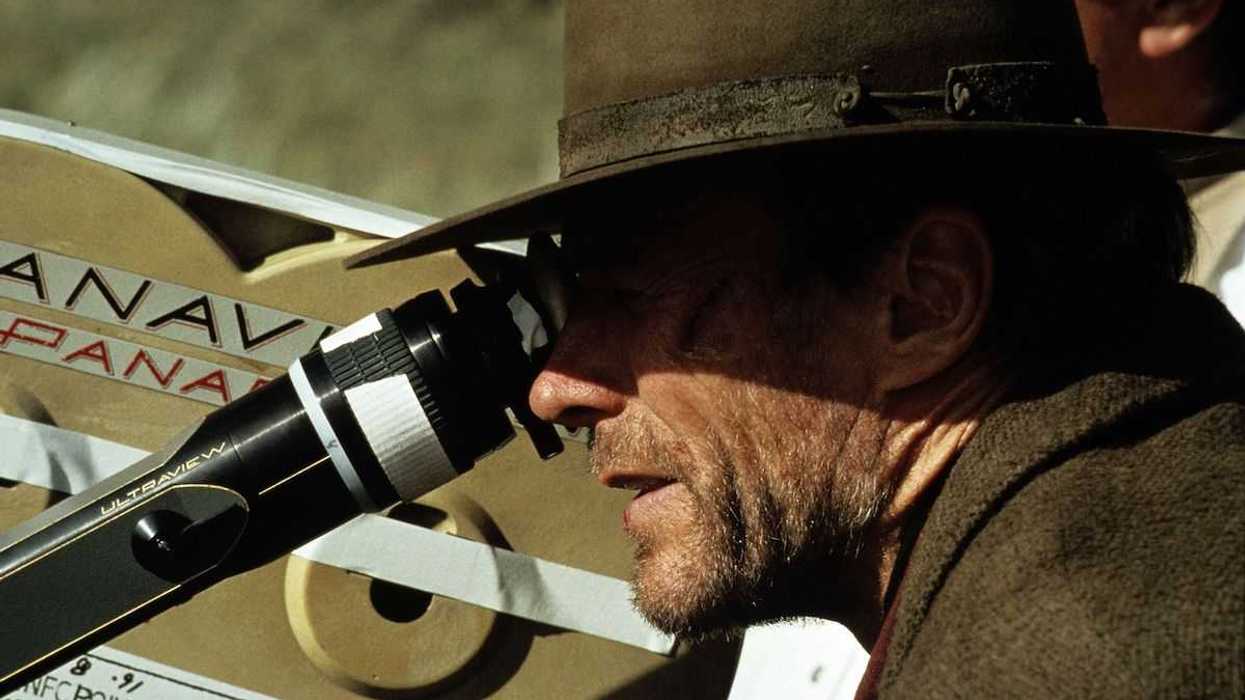
An action star who could make your heart skip a beat just with a smile, Clint Eastwood only took a couple of movies to prove his merit as a director.
His directorial filmography includes 40 films, of which Unforgiven, Letters from Iwo Jima, and Million Dollar Baby are most notable. From Westerns to war, Eastwood’s films are marked by minimalism, dramatic restraint, and authentic performances.
While some of his movies, such as Pink Cadillac and The Rookie, underperformed at the box office, Unforgiven not only revived his reputation as a director but also won four Academy Awards.
4. Bradley Cooper
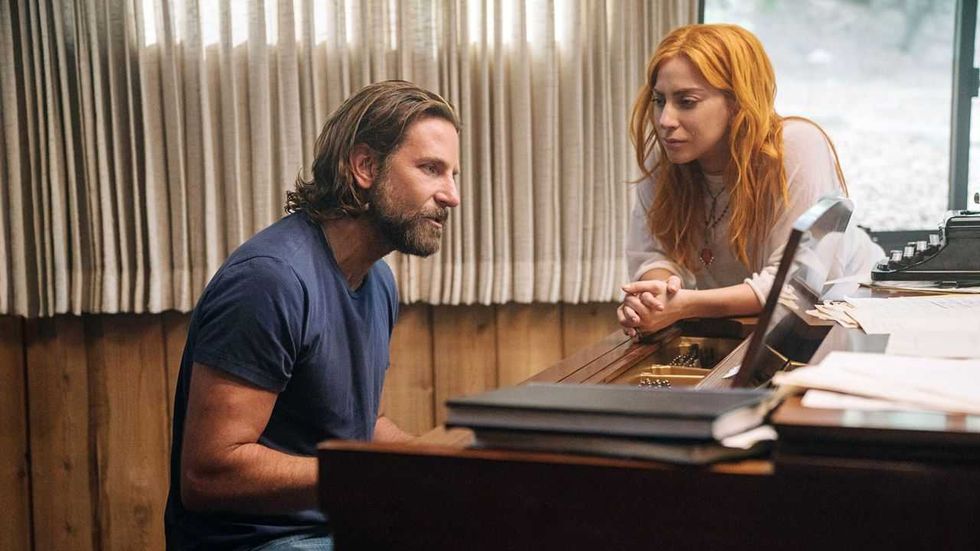 A Star Is Born (2018)Source: Warner Bros., SF Studios
When no one gives you the role that you think you deserve, do it like Bradley Cooper. With Cooper and Lady Gaga in leading roles, A Star Is Born follows a fading music star who helps out an aspiring actor and singer to find her place in the creative industry, while age and alcoholism are taking a strong hit on his own career.
The movie was a major box-office hit and raked in eight Oscar nominations at the 91st Academy Awards.
Other notable directorial works by Cooper include Is This Thing On and Maestro.
5. John Krasinski
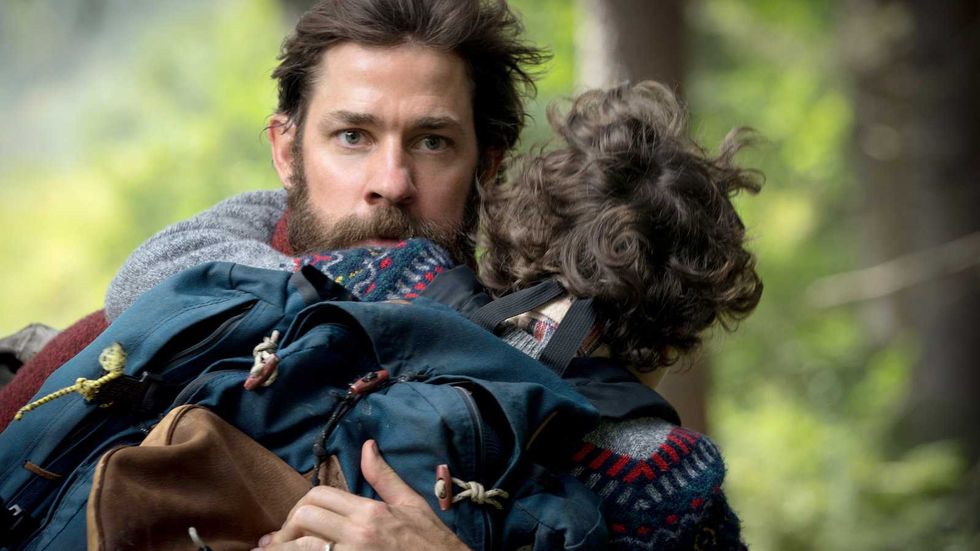 A Quiet Place (2018)Source: Paramount Pictures
Our beloved fictional coworker Jim (John Kransinski) shook the horror genre with a dystopian horror set in a world where sound means death. A Quiet Place was a major box office success, grossing over $340 million globally, paving the way for a successful creature-horror film franchise.
There are two more films under its banner: A Quiet Place Part II and A Quiet Place: Day One (which Krasinski developed with filmmaker Michael Sarnoski).
The use of sound to create horror in a narrative that’s about silence is one of my favorite aspects of Krasinski's work.
6. Stephen Chow
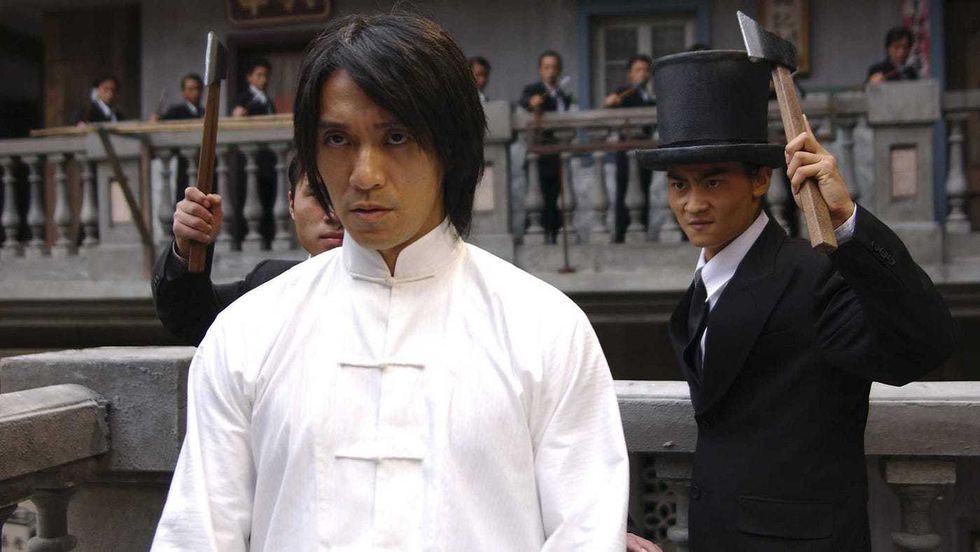 Kung Fu Hustle (2004)Source: Columbia Pictures, Sony Pictures Releasing, Huayei Brothers, Falcon AS
If you’re into global cinema, you're likely familiar with Stephen Chow, one of the biggest names in the Asian film industry.
An ardent Bruce Lee fan, Chow revamped the action/comedy genre by masterfully combining martial arts with outrageous, satirical comedy. He began directing in the early '90s and has 10 movies in his filmography, out of which Kung Fu Hustle, Shaolin Soccer, and The King of Comedy are some of his most beloved films.
7. Mel Gibson
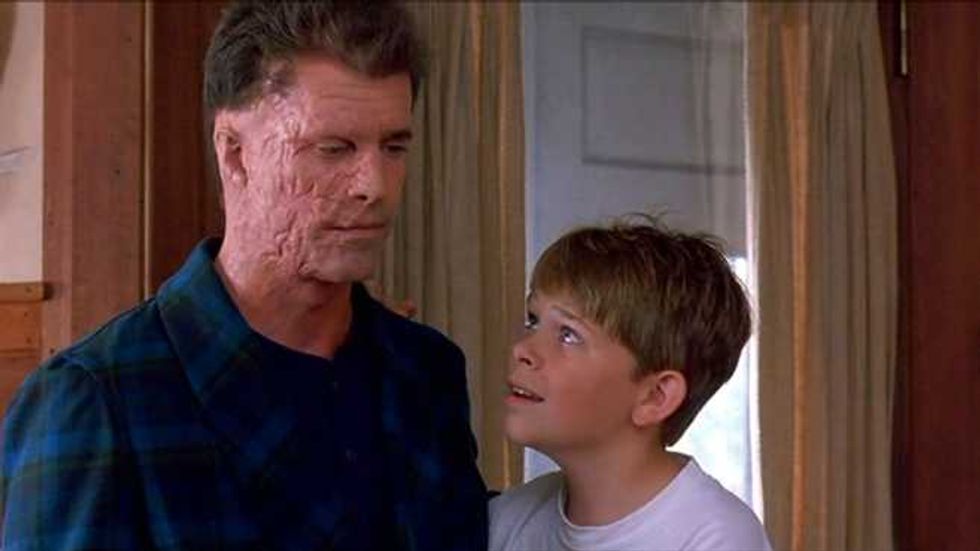 The Man Wihthout a Face (1993)Source: Warner Bros.
If you have a directorial flair like Gibson has in the action genre, then there’s no reason that you shouldn’t try your hand at direction as an actor. Gibson was already a star when he set out to direct The Man Without a Face.
While his first film didn’t perform as expected, Gibson’s next film, Braveheart, won hearts with its sweeping action sequences. From there, there was no looking back. Gibson’s The Passion of the Christ is another remarkable film centered on Christ's crucifixion and the betrayal by his disciples.
8. Takeshi Kitano
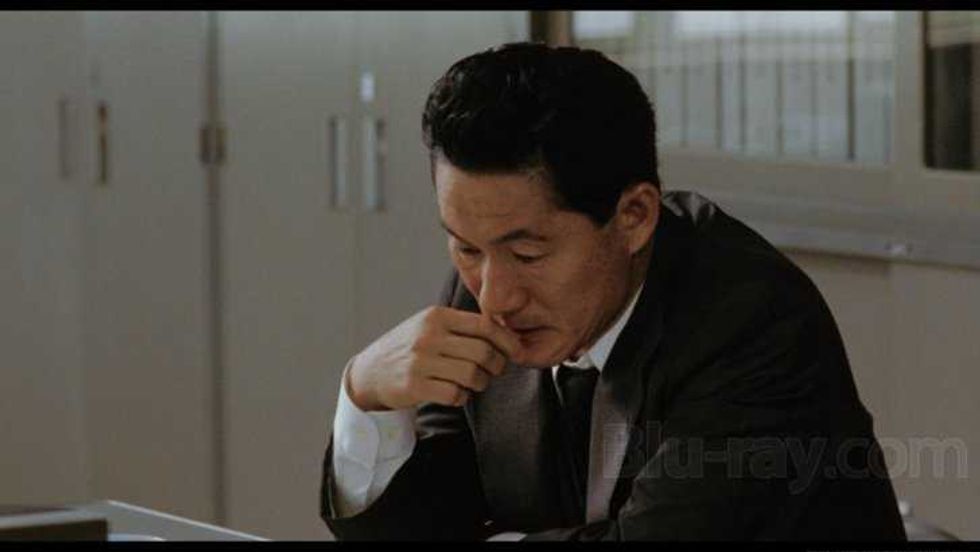 Violent Cop (1989)Source: Shochiku and Bandai Media
Sometimes, bad things happen for the best. Otherwise, Takeshi Kitano’s directorial talents might have remained unexplored. Kitano stepped up as the director in 1989’s Violent Cop after Kinji Fukasaku stepped down from the project, and it was a massive hit.
Since then, he has directed over 20 feature films, and most of them are critically acclaimed and regarded as landmarks in Japanese cinema.
Kitano is known for his nihilistic violence and minimalist style, with his films exploring existential themes through offbeat humor that inspires filmmakers worldwide. Sonatine and Hana-bi are two of his most revered directorial works.
9. Kevin Costner
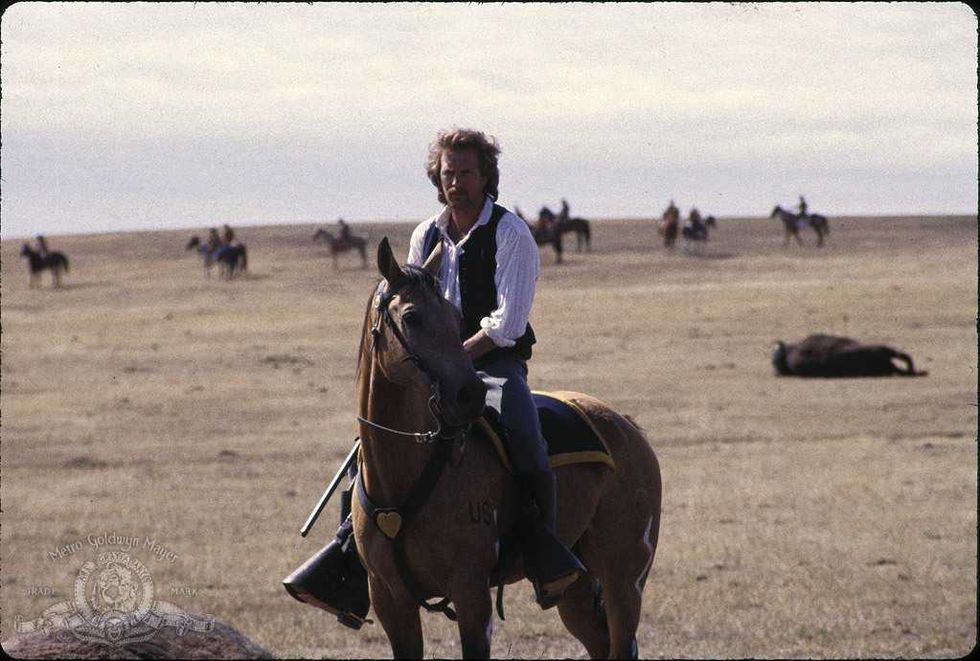 Dances With Wolves (1990)Source: Orion Pictures
The Field of Dreams lead actor, Kevin Costner, has been juggling both on- and off-screen roles with great expertise since Dances with Wolves, a notable hit of the early ‘90s, which he directed. The film raked in multiple Oscars, including Best Picture and Best Director.
Subsequently, the release of The Postman, Open Range, and Horizon: An American Saga further cemented Costner’s reputation as a worthy actor/director. He has also appeared in every film he has directed.
10. Richard Attenborough
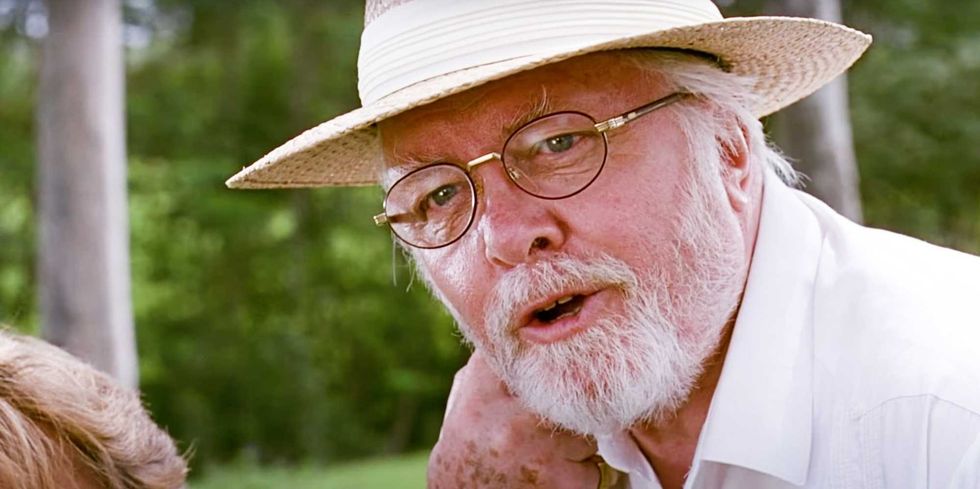 Jurassic Park (1993)Source: Universal Pictures, FilmFlex
After a distinguished acting career for over three decades, Richard Attenborough made his directorial debut with Oh! What a Lovely War in 1969. He made 10 more feature films between 1969 and 2007.
1982’s Gandhi marks the pinnacle of Attenborough's directorial career, as it swept eight Oscars out of 10 nominations at the 55th Academy Awards, including Best Picture, Best Actor (Ben Kingsley as the titular character), and Best Director.
Attenborough’s Gandhi chronicles the life of the Indian national leader Mahatma Gandhi, his contributions to India’s freedom from British rule, and his assassination by Nathuram Godse.
11. Julie Delpy
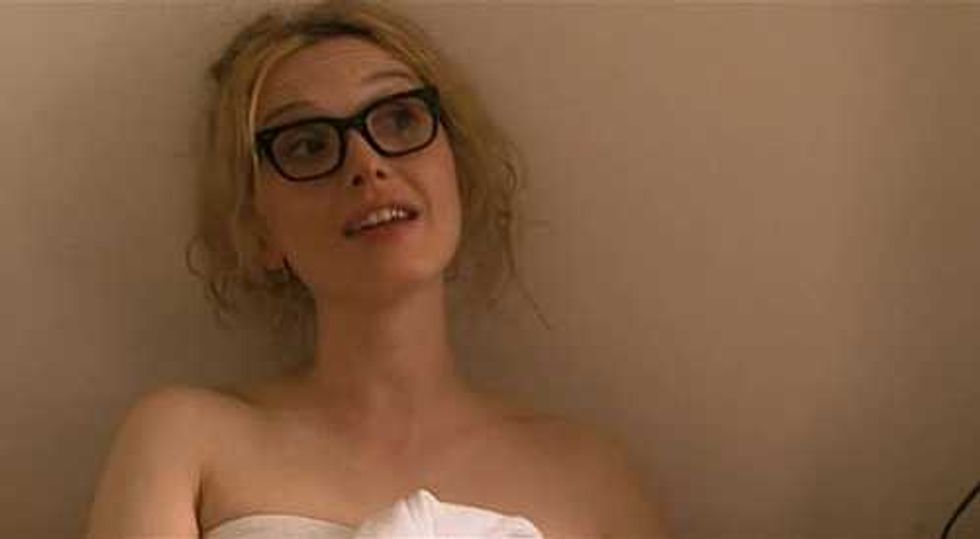 2 Days in Paris (2007)Source: Samuel Goldwyn Company, Rezo Films
The Before trilogy’s leading lady, Julie Delpy, always wanted to direct her own films. She also co-wrote the Before movies with director Richard Linklater and Ethan Hawke.
After being an arthouse gem in the ‘80s and ‘90s, Delpy debuted as a feature-length director with Looking for Jimmy, an experimental, micro-budget film that was shot in 24 hours. The story centers on a missing person, Jimmy, who leaves his girlfriend, Al, and her friend, V, searching for him after he misses V’s birthday party without any information.
While the film wasn’t a mainstream release, it was praised significantly for its free-flowing style. Beginning her directorial career in 2002, Delpy has directed 11 films to date, with 2 Days in Paris, its sequel, 2 Days in New York, and Lolo as her most notable works.
Delpy’s intimate storytelling and intelligent dialogue make her a distinct voice in contemporary cinema, with stories that explore interpersonal relationships.
Who is your favorite actor/director?