What We Can Learn from These Dark Comedies
From Kubrick's Cold War nightmare to Lanthimos' first English-language film.
'Heathers'
Sometimes, you're not in the mood for rainbows and cotton candy. You need something with a bit more edge, for whatever reason. There are times as a movie viewer (or human being) that you don't feel like sunshine and want comedy with a bite.
Enter the dark comedy. It's a genre I love, and it's also one of the most risky, razor-thin tones to hit as a writer and/or director. The humor still has to hit, but it almost feels like a punch to the gut at the same time, like you aren't sure if you have permission to laugh. The drama behind the bits is often heavy, but the levity gives you just enough room.
And, heck, I'm in the mood for that this week. Here are five of our favorites that walked the line perfectly, and what the filmmakers said about that.
- YouTube www.youtube.com
Dr. Strangelove or: How I Learned to Stop Worrying and Love the Bomb
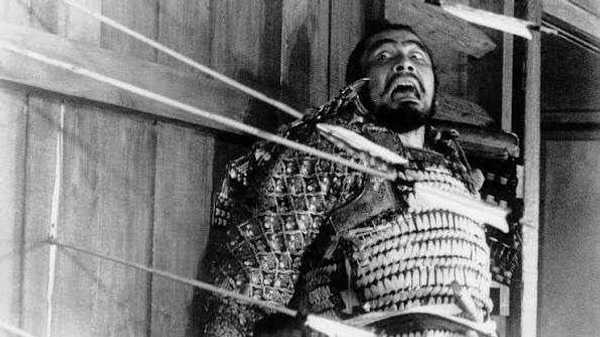
Is there an easier example than Dr. Strangelove? The kooky, madcap drama of a world on the brink of nuclear disaster shouldn't work as well as it does, but the fact that every character buys into the high drama and ridiculous reasoning of the story (and that you have Peter Sellers in multiple roles) makes this a blast. Pun intended.
Stanley Kubrick adapted the thriller from Peter George's Red Alert. He realized there was an inherent absurdism in the narrative that couldn't be avoided.
"During the past six years," Kubrick told Terry Southern (via Filmmaker Magazine), "I've read almost every available book on the nuclear situation, including regular issues of Air Force Magazine, Missiles and Rockets, Bulletin of the Atomic Scientists and so on. What has struck me is their cautious sterility of ideas, the reverence of obsolete national goals, the breeziness of crackpot realism, the paradox of nuclear threatsmanship, the desperately utopian wish fantasies about Soviet intentions, and the terrifying logic of paranoiac fears and suspicions. The present world seems very much like a neurotic paralyzed by incompatible goals."
Kubrick later called the film a "nightmare comedy," per The Hollywood Reporter. If that's not a dark comedy, we don't know what is.
If you're attacking a story, and something isn't quite right, try a different tonal approach.
- YouTube www.youtube.com
Harold and Maude
Another classic. Hal Ashby put a suicidal teen in a relationship with a 79-year-old dying woman who lives on the edge, and somehow it all makes sense. It's a beautiful story about a young man finding purpose in life through his obsession with death.
Ashby died in 1988 and was fairly reclusive. Colin Higgins (the film's screenwriter) developed the story while in UCLA Film School. It unfortunately flopped.
Producer Charles Mulvehill told Variety:
We thought it was a great film. It was really a shock when it was released and nobody cared. Nobody came and nobody cared. The marketing wasn’t terrific. Nobody really knew how to approach the subject. The minute you mentioned an 80-year-old woman and a 20-year-old boy, you could see the eyes glaze over. I was really shocked at the reception that it got. The first review I read was Variety—“It’s as funny as a burning orphanage.” I couldn’t believe it.
If you missed this one, give it a watch. It's a deeply affecting, quirky story. And filmmakers, make the movie you want. You'll find your audience, even if it's years later.
- YouTube www.youtube.com
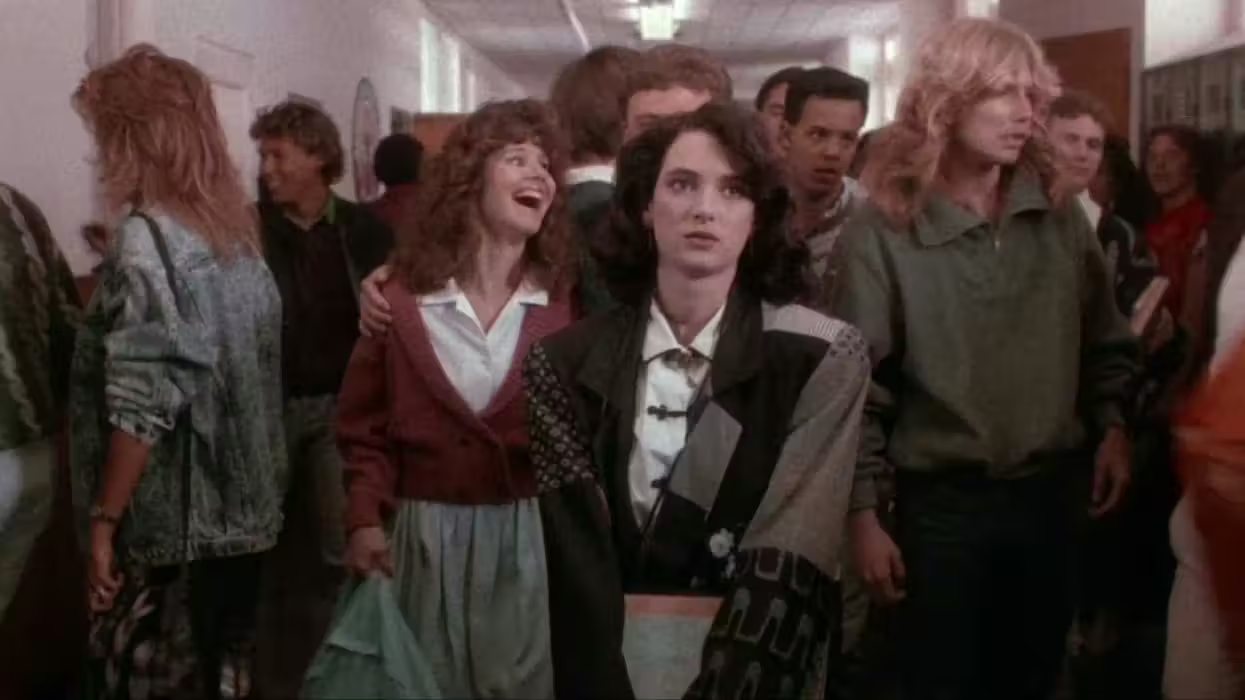
Heathers
Apparently, teenage death is a theme in black comedies, because in Heathers, the high school comedy is turned on its head. It's John Hughes turned dark, on purpose, written by Daniel Waters and directed by Michael Lehmann.
Veronica Sawyer is the odd girl out in a clique full of, you guessed it, Heathers. She falls in with edgy outsider, and soon they're both committing murders while the rest of their schoolmates grieve in ridiculous, performative ways. Trust me, it's funny.
Waters said (via SBIFF), "The teen films of the time, the John Hughes films, were fun. But there's a whole other wing of the high school they weren't going into—the dark, Stephen King wing that nobody wanted to look at. And I think Heathers was refreshing. It was the first time a lot of people lost their dark humor virginity."
Need a way to freshen up a genre? Take something that's working and give it a dark twist like the team did here.
- YouTube www.youtube.com
The Lobster
Frankly, any Yorgos Lanthimos movie could land on a list like this, because they're all weird, dark, and somehow affecting at the same time. Characters inhabit his worlds with a unique earnestness as they struggle through situations.
The Lobster was his English-language debut. It's about a world where single people must find a partner—or they risk turning into an animal. It's all very grim, played totally seriously.
The filmmaker spoke to Cinemacy about the story's themes:
What I was interested in is showing the irony of one character who escapes from one system believing that he can be free in a different system. Even the Loners themselves, they’re supposedly free because they’re going against the system but the irony of it is in order to create this other system they have to have their own rules as well. That ends up being very similarly oppressive. I like that irony. I think it poses questions about whether you are ever free to think or feel the way you want.
Sometimes delivery can sell your tone just as much as the story. The deadpan line readings here have persisted through much of Lanthimos' work.
- YouTube www.youtube.com
In Bruges
If you have to name a filmmaker who lives in the dark comedy space, it's Martin McDonagh, whose jokes are so biting and shocking and offensive that you sometimes feel bad for laughing. In Bruges was one of the biggest black comedies of the aughts.
Two hitmen (Colin Farrell and Brendan Gleeson) have to hide in a quaint Belgian town. What could go wrong? These are two powder-keg guys just waiting to explode.
McDonagh told IndieWire, "I'm interested in the strange skewed attitudes of violent men. You don't cause the death of an innocent, and you can't overcome it if you do: that was Harry's code. The film's characters are immoral, but there's a line you don't cross."
Dark characters don't immediately mean they're unlikeable, even if they're doing terrible things. As you're developing yours, find the "code" they operate within, what makes them human.
- The 10 Funniest Horror Comedy Movies You Need to Watch This Year ›
- The Art of Writing and Directing Dark Comedies Like 'Barry' ›
- 9 Great Comedies With Surprisingly Dark Endings ›
- 11 Noir-Inspired Comedies You Forgot Exist ›
- The Best Dark Comedies ›
- How a Missed Comedy Showcase and a World-Ending Threat Inspired 'NUKE' | No Film School ›