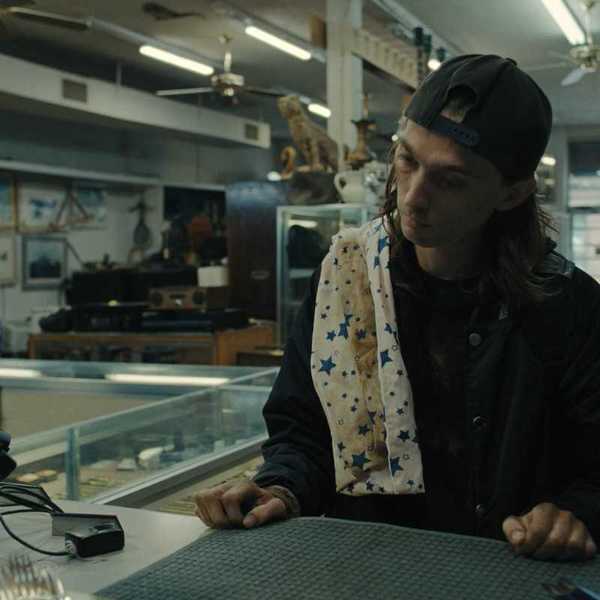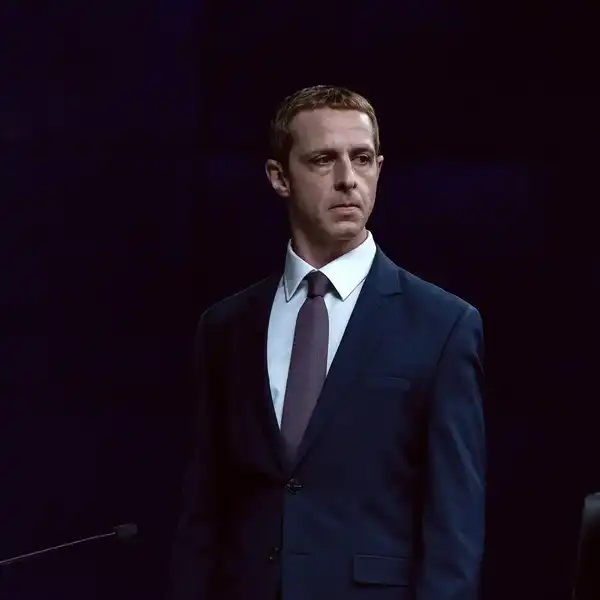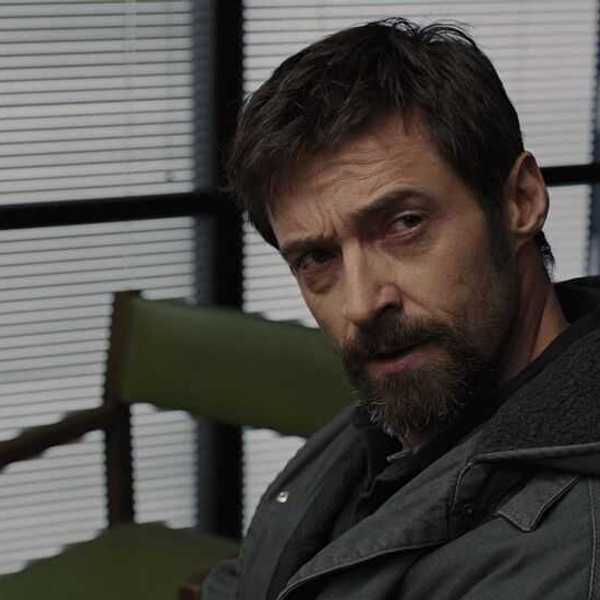
Gustav Danielsson, FSF, earned an Emmy nomination for his work on the stunning "In the Name of the Mother," the fifth episode of HBO's A Knight of the Seven Kingdoms. The episode features the climactic Trial of Seven battle sequence, for which the creative team has received a great deal of well-deserved attention.
The sequence has been unpacked in exhaustive technical detail elsewhere, so we wanted to speak with him about the practicalities of working on a smaller budget than the show's older brother, Game of Thrones. What budget-shaped decisions did they have to make, and how did that influence how the series looks?
"I know our showrunner, Ira Parker, said we had a quarter for every dollar," Danielsson told us.
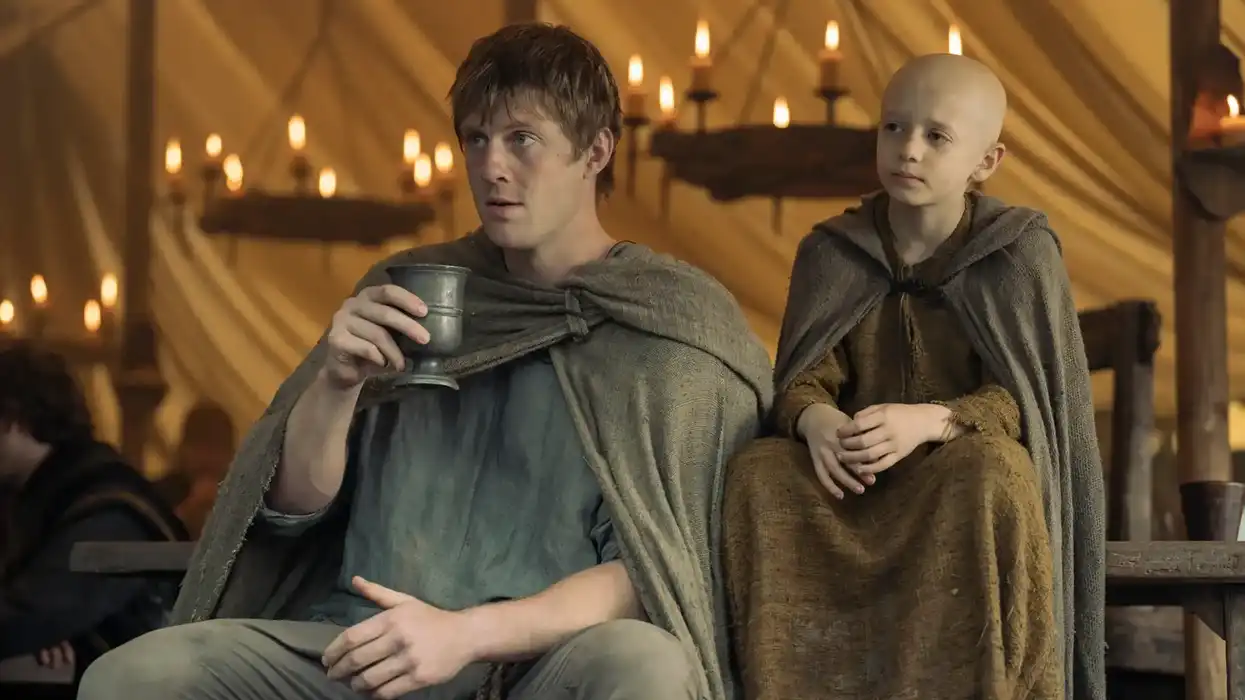
The series follows Dunk, a hedge knight who aspires to greatness at a local tournament. He meets Egg, a small boy who becomes his squire. Together, they meet noble families and tradespeople who help them on their quest for greatness.
The show was shot (for the most part) on two ARRI Alexa Mini LF cameras with Panavision Ultra Panatar anamorphic lenses, and Panavision VA series lenses for some night scenes.
We spoke with Danielsson via Zoom to learn more.
- YouTube www.youtube.com
Prepping with Owen Harris
Danielsson has now worked with director Owen Harris a handful of times across TV and commercial work. Their partnership began on a low-budget Swedish commercial that Harris flew over to shoot. He sought Danielsson out because he had shot Roy Andersson's You, the Living, Danielsson's debut as a DP.
That commercial led to Black Mirror's "Be Right Back," then to the Emmy-winning and much-lauded "San Junipero," then to feature and TV work.
Danielsoon said their approach to A Knight of the Seven Kingdoms held a lot of respect for what came before it, meaning Game of Thrones and House of the Dragon, but they knew their show would be different.
"It's a very intimate story, mainly about Dunk, our hero, and his squire, Egg. And so it's going to be intimate, it's going to be about them," he said. "And also it's got this kind of weird humor to it that you sometimes find in the Game of Thrones world, but it's definitely something that is a little bit new in this show, and that's how it starts. It starts out quite light and humorous, and you get to learn these characters."
They shot most of the series naturalistically in Northern Ireland. His biggest problem was controlling the sky.
"Basically, it could be sunshine in the morning and almost no wind, and then the wind picks up, and then you have rain and clouds, and then you start shooting a scene, and when you change direction, you might have rain when you started out sunny," he said. "So it's just constant planning, checking your weather app, and always knowing, 'All right, we can shoot this way, but we can't really embrace the sun in this scene, because later on today's going to be cloudy.'"
- YouTube www.youtube.com
Timing Magic Hour for a Painterly Look
Again, everyone rightly calls out the Trial of Seven as incredible work, but there are constant gems across Danielsson's episodes in the series. For instance, in Episode 2, the characters partake in a tug-of-war game that looks beautiful.
The technical skills behind the sequence involved timing and backlight.
"That is one of the sequences we were able to shoot very late in the day when the sun is about to set, which means you can actually start controlling the light a little bit more. So we added some backlight to this scene. If you add some backlight in the middle of the day, you need so much light to compete with the natural light. So it's almost no use."
Danielsson said they used two cranes with two 24-kilowatt open-faced HMIs to light the sequence. (An open-face fixture is a lamp head without a lens over the bulb. DPs go for open-face when they need punch or hard light.)
"It was nice you recognized it because that was the feeling we wanted. A nice afternoony feeling with a very, very controlled light, so you get that painterly effect. It's not overly contrasted or anything like that."
Smoke as a Budget Solution
Danielsson told us that the intense haze of the Trial of Seven was partly budgetary (to reduce the need for crowd extras), but it also served the story.
"I think the smoke has so much more importance because it adds to the feeling we wanted in this fight. This fight is a very visceral and also very subjective, chaotic, almost claustrophobic because you're inside of his helmet. You're him. And the smoke makes everything very disorienting."
He and Harris looked at the Battle of the Bastards from Game of Thrones, but they knew a straight comparison was not possible due to their lower budget.
VFX supervisor Arron Roebuck and his producer Paul Russo stayed at Danielsson's side, calling shots when the smoke was almost right. He said the alternative was the day getting away from them.
"They say, 'Okay, let's shoot now.' Because you can't just wait for the perfect moment every time because the show needs to go on."
 'A Knight of the Seven Kingdoms' Credit: HBO
Three Cameras, 30 Minutes, One Child Actor
Dexter Sol Ansell, who plays Egg, is under U.K. school-leaving age, which put strict limits on how long he could be on set. Danielsson said that turned some nights into puzzles. They had no alternative but to work fast because they had to get some exterior scenes at night.
"Normally, we had two cameras on this show, but towards the end of the shooting when we did lots of bigger scenes, we had three cameras. We had half an hour to pull off a scene with Dexter in it, and that's almost impossible. Well, I lined up three cameras to shoot a wide shot, a closer top shot. It's the ending of Episode 1 where they're looking at the stars."
If you're shooting with young actors, prep for the multi-camera solution before you need it.
What He Wishes He'd Known Earlier
What would he tell a DP coming up? He gave us two connected ideas, the first about control.
"When I started out as a director of photography, I was much more controlling in terms of where I wanted everything to be, lights and lamps ... But I tend to, the more I work, leave other creatives to give their ideas [the chance] to sing. If there's a nicer idea in the room, you should grab it, because you might have nice ideas yourself, but if there's even nicer, then you should just grab it."
The second was about trust. He said his gaffer, Seamus Lynch, could anticipate him. If he needs a crane, it's already on its way. That kind of relationship also means you can say no when something isn't working.
"If it doesn't look good, you should tell him to switch it off."