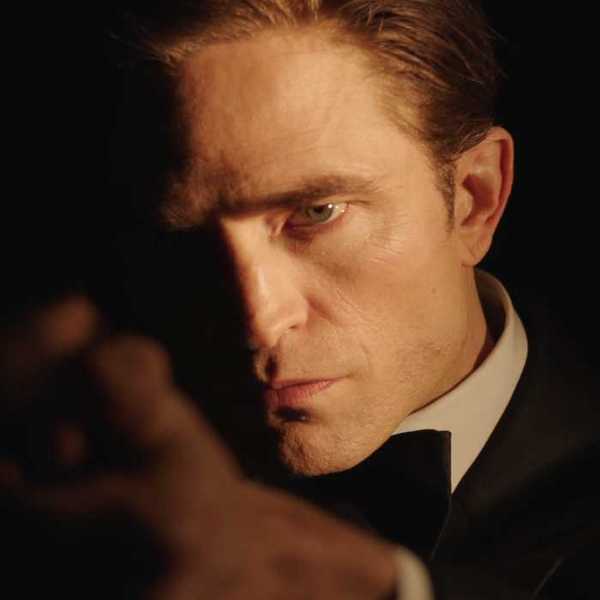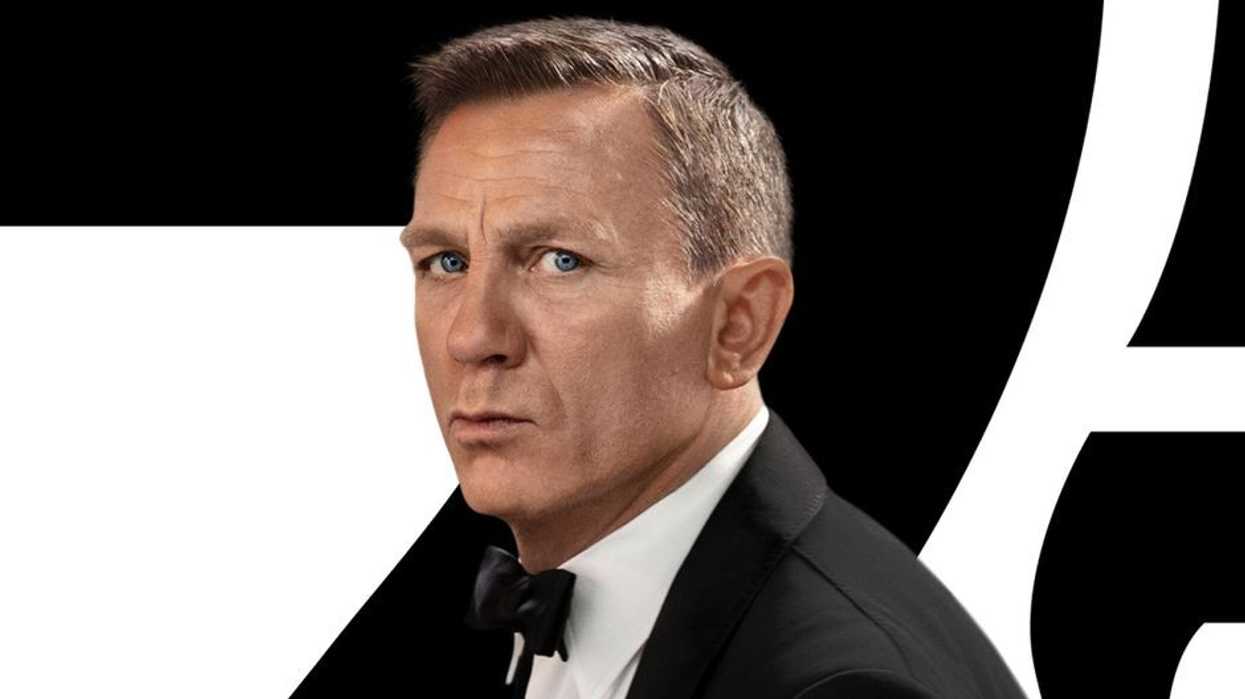
In 2012, Anderson Cooper sat down with James Bond franchise producers Barbara Broccoli and Michael Wilson to discuss author Ian Fleming's rules for bringing his iconic spy to life.
As we prepare for Robert Pattinson to become the latest on-screen Bond, let's break down those rules to get a sense of what we might be able to expect.
1.DON'T Wear Bowler Hats Or Monocles
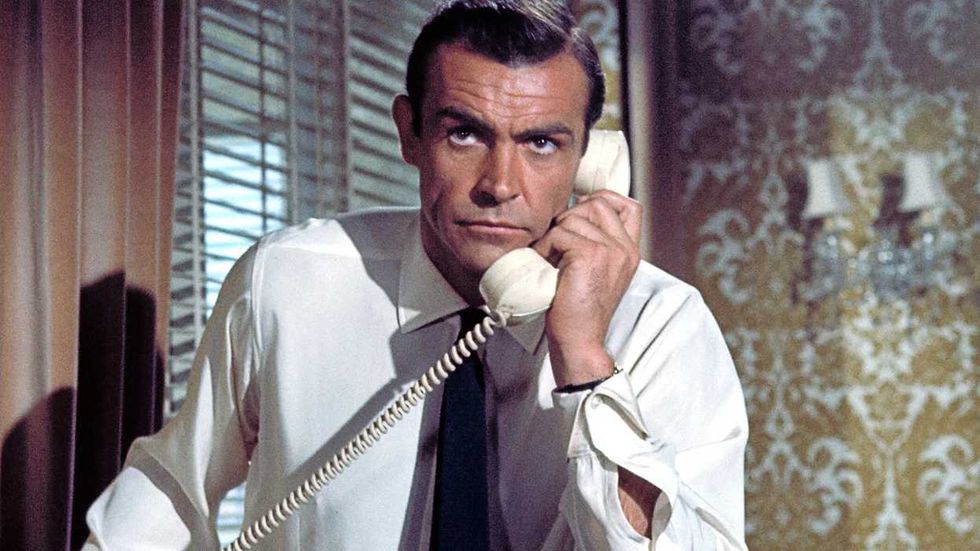
'From Russia with Love' (1963)
Credit: United Artists
This might sound like a silly one, but Bond's sartorial choices are some of the most important elements of the character. Bond stays on brand in every aspect of his life. While he has dabbled in all forms of vehicles, weapons, and even outfits, he generally sticks with his preferred brands. He drives an Aston Martin more often than not. Usually, the weapon he's wielding is a Walther PPK. It was a huge deal when the Bond of the Daniel Craig era switched to Heineken rather than the classic "shaken, not stirred" martini.
When it comes to what he wears, it changes subtly over the years, but he is almost always in a well-tailored suit of some kind. In fact, there's a whole website dedicated solely to the suits in the James Bond franchise. This makes sense emotionally, even though logic states that it's a pretty bad idea for an undercover spy to be wearing put-together, fancy clothes that make him stand out in any situation like a sore thumb. However, when it comes to presenting Bond to an audience, seeing the well-groomed, suave spy fight his way out of various situations without a hair out of place elevates him into the fantasy figure status that he has enjoyed for many decades at this point.
Speaking of hair, Bond typically shows off well-groomed locks rather than wearing hats. However, when he does go for a chapeau, he does diligently avoid bowlers. That feels more like a personal preference on the part of Fleming (Sean Connery's Bond can often be seen in a trilby, which isn't that different), but the fact that this is one of the first rules that comes up when discussing Bond still makes sense. Bond is all about presentation, and that should be the first factor considered when ideating any new version of the character.
2.DON'T Lean on British Clichés
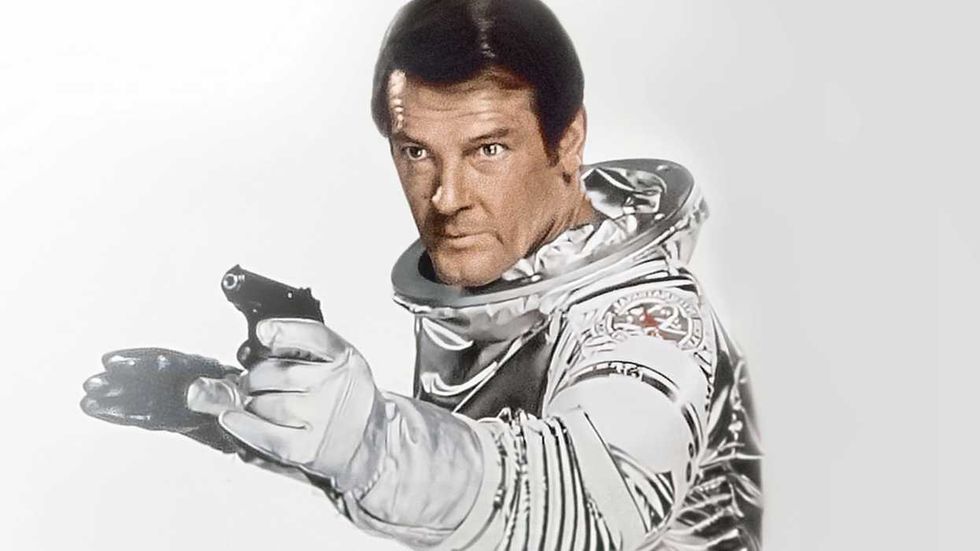
'Moonraker' (1979)
Credit: United Artists
To American viewers, James Bond seems every inch the suave British stereotype, but the producers actually make a concerted effort to avoid leaning in too hard on classic Britishisms. As they say in their conversation with Anderson Cooper, Bond movies are never going to feature him dealing with bobby policemen or saying "oh boy."
Bond, the character, is inherently British, but he inhabits a very specific sphere of Britishness. I'm going to have to pull out the word "suave" again, so bear with me. He is suave and elegant, refined but willing to get his hands dirty. An old-fashioned masculine ideal, certainly, but one that is integral to the character.
However, this idea of Britishness doesn't jibe with many of the other stereotypically British elements that we see on-screen when Great Britain is represented (and even when it is representing itself, as in the Paddington movies, which are stuffed to the brim with hyper-British elements).
3.DON'T Endanger Civilians
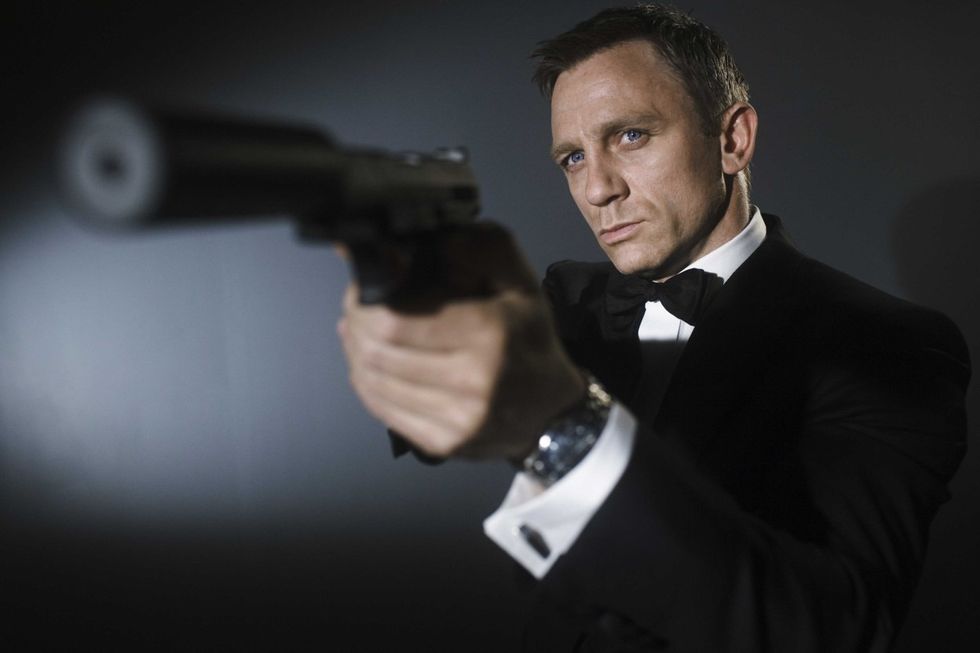
'Casino Royale' (2006)
Credit: Amazon/MGMAnother key tenet of portraying James Bond on-screen is that he can not jeopardize the safety of civilians. Naturally, as he has a license to kill, not all of his enemies make it to the end credits unscathed. But when it comes to innocent bystanders, they must remain safe.
This is one thing that separates the Bond films from some modern film franchises. Many blockbuster franchises spend at least an entry trying to contend with the human cost of the conflicts between the main characters and the antagonists. Hell, that was the entire throughline of Captain America: Civil War, but you can also see it in movies like Batman v Superman: Dawn of Justice and Godzilla: King of the Monsters.
However, with the Bond movies, there is a certain separation from realism that places the franchise in a world that is elevated enough for a larger-than-life figure like James Bond to step into it properly. While 2006's Casino Royale served as a propulsive announcement that the franchise was entering an era of grittier realism, that heightened element was still there from the beginning. No matter how much parkour you have in your movie, you've still got Mads Mikkelsen's Le Chiffre running around weeping blood from one eye.
4.DO Keep Bond Incorruptible

'Die Another Day' (2002)
Credit: Amazon MGM
This aspect of the Bond character goes hand in hand with Rule No. 3. As the producers explain, James Bond is not a character who does things for his own advancement. He doesn't accept bribes or corrupt his values. Even at the time, Broccoli admitted that there may be movies that bend this rule in the future.
However, James Bond wouldn't be James Bond if he chased his own selfish goals rather than saving the world. The closest that any of the movies have come to having James Bond corrupt himself in any way came in the more emotionally complicated, continuity-forward Daniel Craig branch of the franchise. However, that was all in service of an arc that ended up leading to the ultimate self-sacrifice, which is probably the most Bondian way possible to approach that kind of storyline.
Of course, there are also plenty of unspoken rules that are tropes born from the elements that are most frequently included in the James Bond movies. These rules are more easily broken, because some of the thrill is watching the way that different Bonds and different Bond movies handle those elements.
However, these rules include the "shaken, not stirred" drink order, the character introducing himself as "Bond... James Bond," the villains having over-the-top character designs and lairs, and a certain amount of consistency in the ways that Bond interacts with some of the recurring characters of the franchise, such as M, Q, and especially Miss Moneypenny. M's secretary Miss Moneypenny is perhaps the most important figure in this case, because her sexual and romantic tension with Bond needs to simmer but never quite get consummated.
Were any of these rules for James Bond movies surprising to you? Share your thoughts in the comments below!