“That’ll Do, Pig”: What A Simple Line From ‘Babe’ Can Teach Us About Empathetic Writing
How Babe condensed a plethora of emotions in a single sentence.
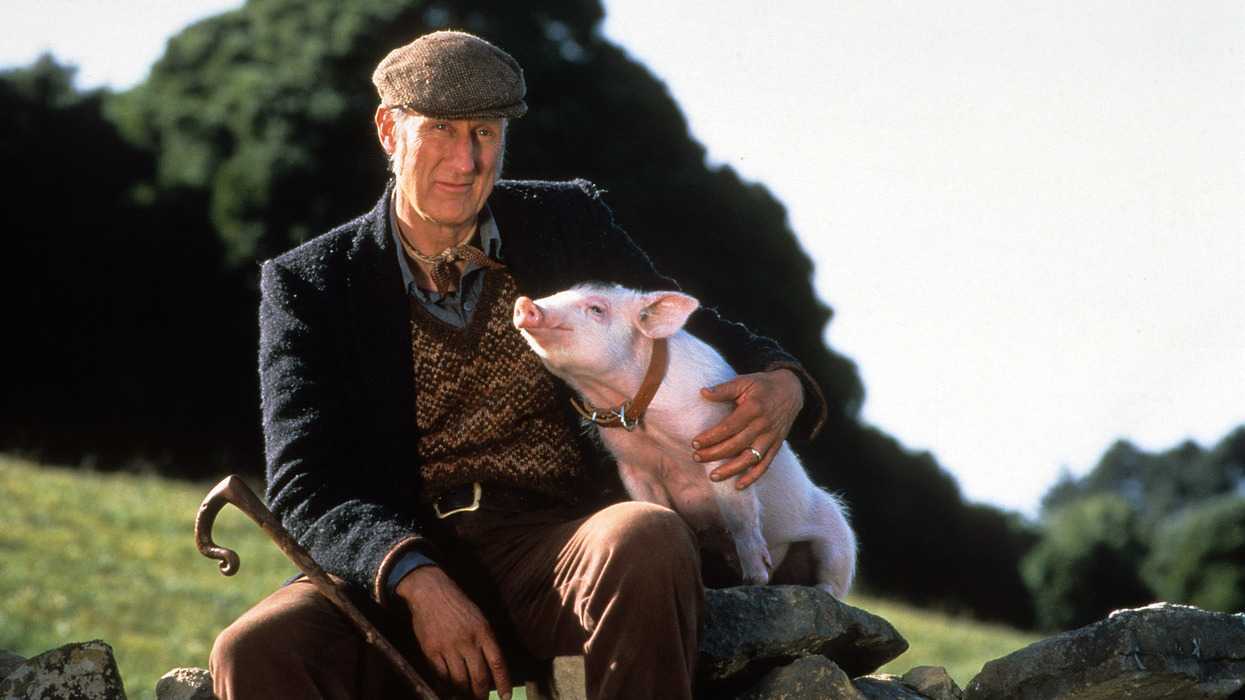
Babe (1995)
At the end of a movie, when emotions are already running high, a great line of dialogue can feel like a force of its own. “That’ll do, pig,” from Babe (1995) is one of the finest examples of this.
The moment is soft, understated, and achingly tender. There’s no overpowering background score or grand gesture. There’s an adorable pig, a farmer, and a poignant sentence that feels like a gentle pat on the back.
So, what makes this dialogue so powerful and timeless? Let’s jump right in and explore.
What Is Babe (1995) About?
Babe, directed by Chris Noonan, tells the story of a young, innocent piglet won by a farmer named Arthur H. Hoggett at a county fair. Arthur takes Babe to his modest farm, a place where dogs, roosters, sheep, and other animals have already made their home. A dog named Fly takes Babe under his wing, driving his confidence and helping him settle.
As the story progresses, Babe learns about his ability to communicate with sheep, a role traditionally reserved for dogs. Babe’s conversations with sheep are more personal and intimate than any conversation the sheep ever had with a dog. He quickly earns their trust and respect, and in doing so, challenges the order maintained by the strict dog, Rex.
Babe’s story symbolically speaks about the pressures of fitting into cultures that are different from one’s own. It tells us how living beings are inherently capable of adapting to new surroundings, if given time and patience.
As Hoggett notices Babe’s incredible bond with the sheep, he enters him into a prestigious sheepdog trial competition. The judges and audiences alike laugh off Babe’s inclusion. Some wonder if the whole thing is a big joke. But it isn’t. Babe remains calm and gentle. He guides the flock flawlessly, shocking the judges and the audiences.
And that’s when Arthur H. Hoggett says, “That’ll do, pig.”
Power Of Three Words
Subtlety in dialogue writing is easy to attempt but hard to achieve. It requires a tremendous understanding of the material and the ability to condense powerful ideas into simple, effortless sentences. What makes “That’ll do, pig.” so powerful?
- Restraint is a weapon: Arthur could easily have said “bravo!” or something along those lines, but he didn’t. He chose restraint, which teaches Babe and, consequently, us, that no victory is the end of it; there will be many more battles. But for this one, “That’ll do.”
- Understanding your character: When I spoke about a keen understanding of one’s material, I meant exactly this. Arthur is a man of few words. A long victory speech or a jumpy monologue to make Babe happy would sound uncharacteristic on his part. These three words stick to the essence of Arthur’s character and personality.
- The idea of belonging: Belonging in an unfamiliar atmosphere cannot be easily achieved, even with an unlikely victory on one’s hand. Babe’s primary struggle has been one of belonging. “That’ll do, pig,” speaks to this very emotion. Babe’s calm and respectable approach towards the sheep “will do”, not just for today, but for the rest of his life.
- Creating an emotional paradox: This may sound complicated, but actually, it isn’t. In this scene, the crowd has just witnessed something shocking. They cannot believe their eyes. The ease with which Babe communicates with the sheep seems bafflingly unbelievable, so they laugh and cheer. Arthur’s toned-down reassurance with “That’ll do, pig,” creates an emotional paradox. If Arthur reacted with the same emotion as the crowd, the scene would not feel as powerful. His measured response creates a strong emotional paradox and, in our minds, covers an entire bandwidth of “feelings”.
- A soft goodbye: The goodbye in this scene isn’t traditional. It means something deeper. It’s a farewell to fear and anxiety that stem from not being able to fit into a culture or a group. “That’ll do, pig.” is a simple goodbye to trepidation and angst. It’s a reassuring line of dialogue at the end of the film that encourages Babe to keep being himself.
What This Line Teaches Us About Empathetic Writing
Good empathetic writing often just “says enough” as opposed to “saying too much”. “That’ll do, pig.’ carries tremendous emotional weight. An over-the-top encouragement could easily have been forgotten.
Empathetic writing requires the writer to know their characters far beyond the page. What gets them ticking? What are their deepest, darkest fears? What do they struggle with? You may not have scenes that project these things, but you must know the answers to these questions.
Babe’s struggle with belonging is obvious to us, and one of his strongest, innermost desires is to be a genuine “part of the room”, to feel wanted and loved like the others who got there before him. This is not easy in any society. “That’ll do, pig,” speaks volumes about Arthur’s understanding of Babe’s insecurities, and his reassurance is carefully aligned with what Babe needs to hear.
This line of dialogue perfectly captures the gentleness of the relationship between Arthur and Babe. Too much was never said. But when things were said, they were meant dearly. The quietness of the line shows us why eloquence isn’t always necessary when it comes to delivering powerful messages.
The understatedness of “That’ll do, pig,” helps its empathetic nature thrive. The line never bothers explaining too much or going into specifics. It simply states. The lack of “distractions” in terms of both sound and visuals further helps this line feel more powerful. This is just a beautifully quiet and personal moment after an emotional victory.
Final Thoughts
Many great cinematic lines that transcend the screen and time are often the simplest expressions of genuine human emotions. They speak to sentiments we understand and empathize with, even when the characters on screen are nothing like us.
What’s your favorite moment from Babe? Tell us in the comments!