8 Must-Watch Meta Horror Movies That Offer Self-Aware Scares
We bet you haven't seen all of these.
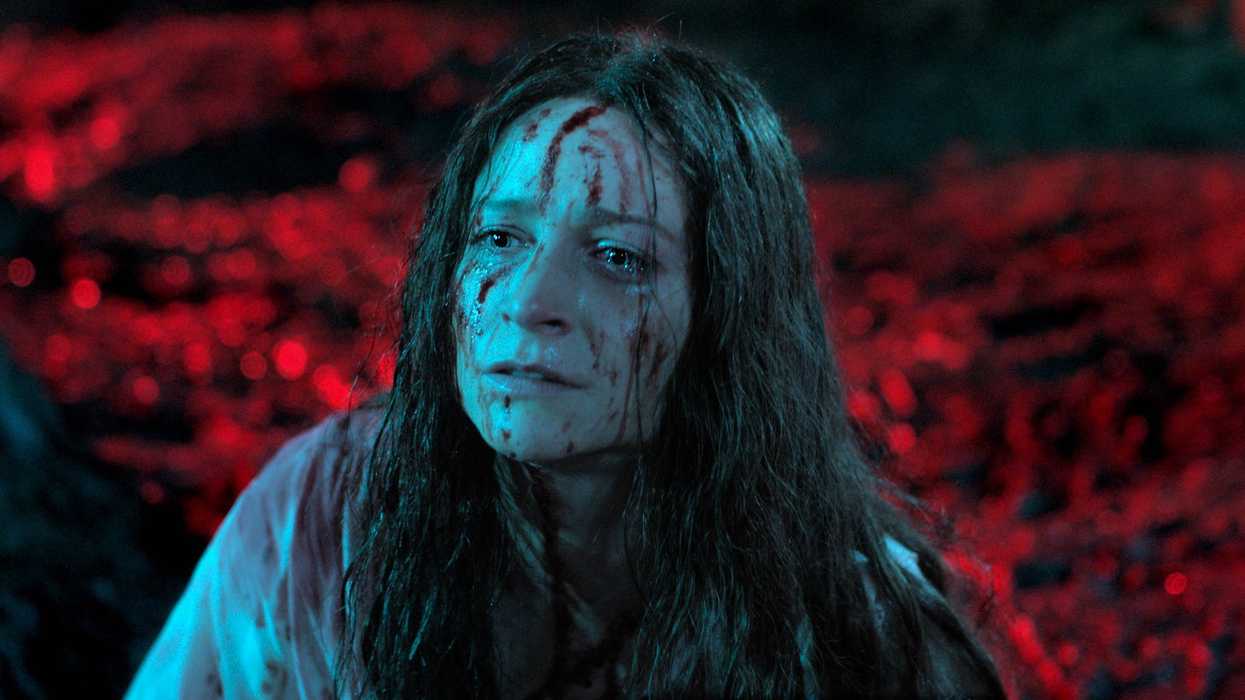
Censor
Every genre comes with tropes. In horror, there are too many to count. The final girl always lives. Killers have supernatural abilities that make them fast and immortal. A couple that has sex is doomed to die. Etc.
Horror fans know and love these tropes, so some filmmakers choose to exploit that familiarity in meta horror. Meta horror is self-aware and often uses humor to poke fun at the genre, as well as get creative within the tried-and-true set-ups.
This Halloween, give a few of our favorites a try.
Scream
- YouTube www.youtube.com
Wes Craven's masterpiece completely rewrote the rules of the slasher.
A big appeal of Scream is its irreverent tone and meta references to its genre. The characters might not have known they were in a horror movie, but they knew the rules of the horror genre and tried to use them to survive.
"You have to be aware of what the audience's expectations are, and then you have to pervert them, basically, and hit them upside the head from a direction they weren't looking," Craven told Buzzfeed.
This philosophy drove every scene, from Randy's now-infamous rules speech to the shocking opening that killed Drew Barrymore's character in the first 15 minutes.
"You don't enter the theater and pay your money to be afraid. You enter the theater and pay your money to have the fears that are already in you when you go into a theater dealt with and put into a narrative," Craven told Buzzfeed.
Censor
- YouTube www.youtube.com
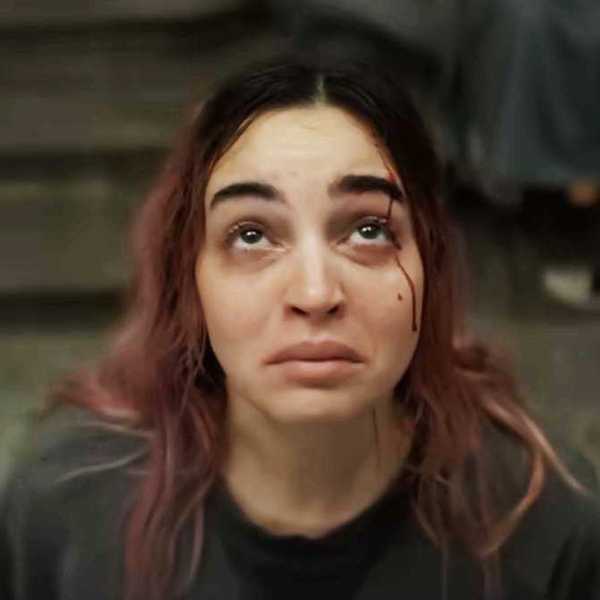
Prano Bailey-Bond's psychological horror film examines the relationship between violent media and its audience through the story of a 1980s British film censor. The character becomes obsessed with a horror film that seems to recreate her traumatic childhood memories. The film is a period piece about the "video nasties" moral panic and a meta-commentary on horror cinema itself.
"There's a language in horror that the audience understands," Bailey-Bond told Jezebel. "With the hardcore fans, you can have another conversation going on within the horror genre that you're referencing."
One of the film's meta elements emerges from Bailey-Bond's decision to create fictional video nasties rather than existing films. "I want to take the audience on a journey, and if you start to see a film that you recognize, it could pull you out of the film," she told ScreenAnarchy.
Rubber
- YouTube www.youtube.com
This is a horror movie about a tire. That's it.
Quentin Dupieux's surreal film about a sentient tire named Robert who kills people with psychic powers opens with a character explicitly addressing the audience about how films operate on "no reason," setting up a commentary on horror movie logic. There is an audience watching the events of the film along with you, the real-life audience.
"I just did that because I got bored with the tire when I was writing. After 15 pages, I realized that's not enough. I don't wanna do just the killer-tire movie, because I think it's too stupid. I was bored, so I decided to bring another layer," Dupieux told Tiny Mix Tapes.
"It's like trying to make people have a different experience. Some people said, 'Oh, that's crazy, because I was thinking about something, and then the guy onscreen said it like 13 seconds later,'" Dupieux continued in the same interview.
Tucker & Dale vs. Evil
- YouTube youtu.be
Eli Craig's horror-comedy flipped the "killer hillbilly" trope on its head by making the supposed monsters the heroes. Perspective shapes narrative here, with a series of misunderstandings leading to bloody chaos.
"Sorta doing for Texas Chainsaw Massacre-type slashers what Shaun of the Dead did for zombie pics, T&D offers good-natured, confidently executed splatstick," Variety wrote when the movie came out.
Sometimes the most effective meta-commentary comes from characters who aren't trying to be meta at all. The horror emerges naturally from an absurd situation.
Behind the Mask: The Rise of Leslie Vernon
- YouTube www.youtube.com
Scott Glosserman's mockumentary took viewers behind the scenes with an aspiring slasher killer, a character who treated horror violence like a craft to be mastered. The film's first two acts function as a documentary about Leslie Vernon's preparations, while the final act shifts into traditional horror filmmaking.
"It was time for someone to offer a love note to horror by way of illustrating some of the more sophisticated themes and conventions to whomever would listen," Glosserman told Horror Cult Films. "This genre is oftentimes dismissed as superficial dreck (and, admittedly, some of it is), but at its best, horror provides some of the most compelling social and political commentary to be found. I was hoping to indirectly remind film critics of that and to reassure horror fans."
The film explains genre conventions practically, which feel like winks to the audience. How does a killer appear everywhere at once? Training and preparation. This approach makes the impossible seem logical while highlighting the artificial nature of slasher rules.
The Final Girls
- YouTube www.youtube.com
Todd Strauss-Schulson's film literally transports modern characters into a 1980s slasher movie.
"Part deconstruction of 80s slasher movies, and part emotional mother-daughter bonding drama, the film works surprisingly well," Screen Anarchy wrote.
"It's Pleasantville in a trashy horror movie from the '80s with a little Back to the Future thrown in, and a spoonful of Terms of Endearment with a dash of Scream and two dollops of Purple Rose of Cairo for good measure," Strauss-Schulson jokingly said of the genre blend (via First Showing).
You Might Be the Killer
- YouTube www.youtube.com
Brett Simmons' meta-slasher originated from a Twitter thread between writers Chuck Wendig and Sam Sykes. The film follows a camp counselor who realizes he might be the masked killer terrorizing his fellow counselors.
It's a "slasher movie where the characters are as self-aware as the audience watching it is, while not being a spoof," Simmons told SYFY WIRE.
"The key to getting the tone of a horror comedy to work is to make sure that the characters play it like they're really in the situation," co-writer Thomas P. Vitale told SYFY WIRE.
Authentic genre knowledge combined with genuine respect for horror conventions can create fresh takes on familiar formulas. As critic Lexi Bowen noted in Medium, it's "exactly the kind of goofy self-awareness that makes meta-horror so much fun when it actually works."
The Cabin in the Woods
- YouTube youtu.be
Drew Goddard and Joss Whedon's collaboration took meta horror to cosmic proportions. In this world, every horror movie cliché exists for a reason. (To appease ancient gods, of course.)
Whedon described it as an attempt to give new life to the horror genre.
"It's basically a very loving hate letter," he told Total Film.
"There's something about facing the horrific—the things that scare you—that forces you to get in touch with the more unseemly sides of humanity. The stuff that's true and there but we don't like talking about at parties," Goddard said in Filmmaker Magazine.
The film's genius lies in how it explains every horror movie logic flaw while creating new ones.
"I feel like if you can study the horror film, you can probe who we are as a people more so than through other genres," Goddard told Filmmaker Magazine.
Meta horror can use deconstruction to explore deeper human truths about why we need these stories.