Utilizing reflections in cinema is one of the most underrated forms of communication. Not only does it look super cool, but you achieve a shocking amount of character, visual, and thematic substance when you utilize them properly. Not to mention, for obvious fourth-wall reasons, it’s pretty difficult to do, so hats off to them all.
Let’s take a look at some of the finest uses of mirrors in film.
The Mirror Room Brawl in ‘John Wick: Chapter 2’
- YouTube www.youtube.com
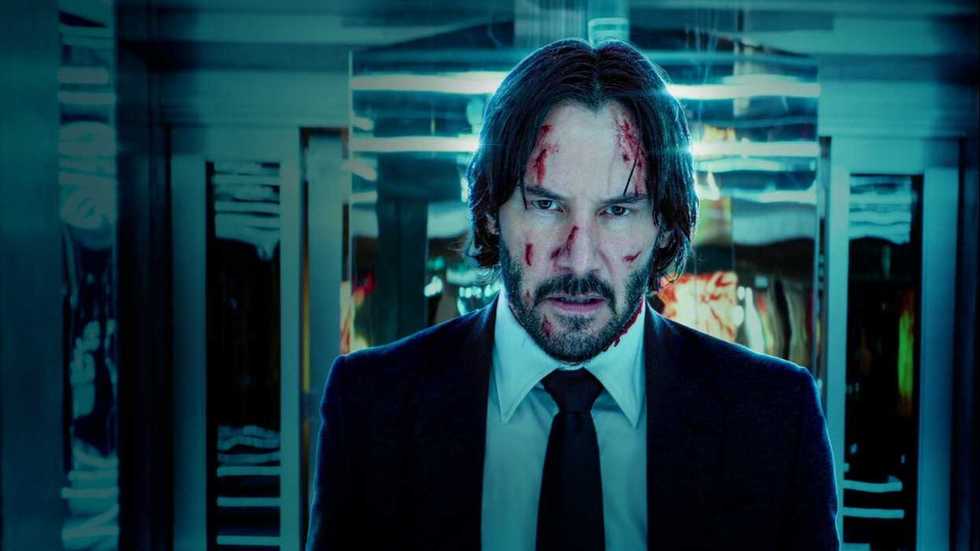
The John Wick films are known for their sleek, neon-lit, innovatively directed and choreographed action, and one of the most memorable sequences in the original four movies comes at the climax of Chapter 2.
Both pursuant and pursuer in this sequence, Reeve’s Wick has to fight his way through henchmen in a mirror-filled art exhibition, shooting at reflections, walls, and occasionally a couple of people.
Director Chad Stahelski has cited that it took the team three months just to plan the camera choreography for the sequence, with roughly 60 percent of the shots used needing to remove the camera from frame. Not only that, but the rest of the shots still needed a great deal of VFX work done to them to warp other reflections in the frame, and the movement of the performers. It’s a wondrous feat of filmmaking that is still dizzying to watch in the best possible way.
‘You Talkin’ to Me?’ From ‘Taxi Driver’
 ‘Taxi Driver’Credit: Columbia Pictures
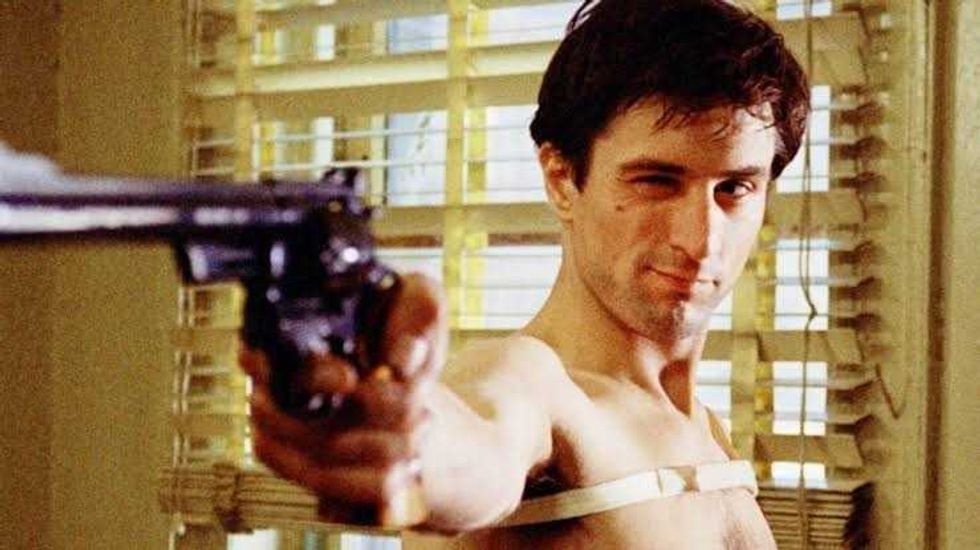
One of the most famous scenes from one of the most famous movies of all time is Travis Bickle’s improvisational monologue in his apartment in Taxi Driver. Offering a deeply unsettling jump in his progression towards pure insanity, we watch him rehearse his inevitable attempt to murder someone, and how he would react in the prelude.
Aside from being an iconic scene, the making of the story is equally as compelling. The original script by the legendary Paul Schrader didn’t contain any dialogue for the scene, simply noting that DeNiro’s character was talking to himself in front of a mirror. This allowed the filmmakers to essentially have freedom to play with whatever they wanted during this sequence. That is, for the two hours they had to shoot it, anyway.
Shot during the final week of shooting in a condemned building in New York City, Scorsese and DeNiro used their freedom to speedrun this scene into completion over schedule and over budget. Fifty years later, we’re left with an undeniable, unforgettable moment in cinematic history.
Norman Osborn’s Goblin Talks in ‘Spider-Man’
- YouTube www.youtube.com
One of the most inspired superhero film castings of all time is Willem Dafoe as Norman Osborn in Sam Raimi’s original Spider-Man film. His uniquely strange charisma as a performer lends itself beautifully to Osborn’s chilling alter ego, the Green Goblin.
When the character isn’t wearing his iconic mask, we get the most fascinating scenes with Norman as he interacts with his Norman Bates-esque alter ego inside the mirrors of his mansion. Using tight editing and whimsical camera tricks, the entire performance from real man to pent-up demon is captured entirely in camera, sometimes within the same shot. Dafoe’s performance is one for the ages, and these small moments with him are far more iconic in my opinion than any of the combat we see him do in the big green suit.
Nina’s Hallucinations in ‘Black Swan’
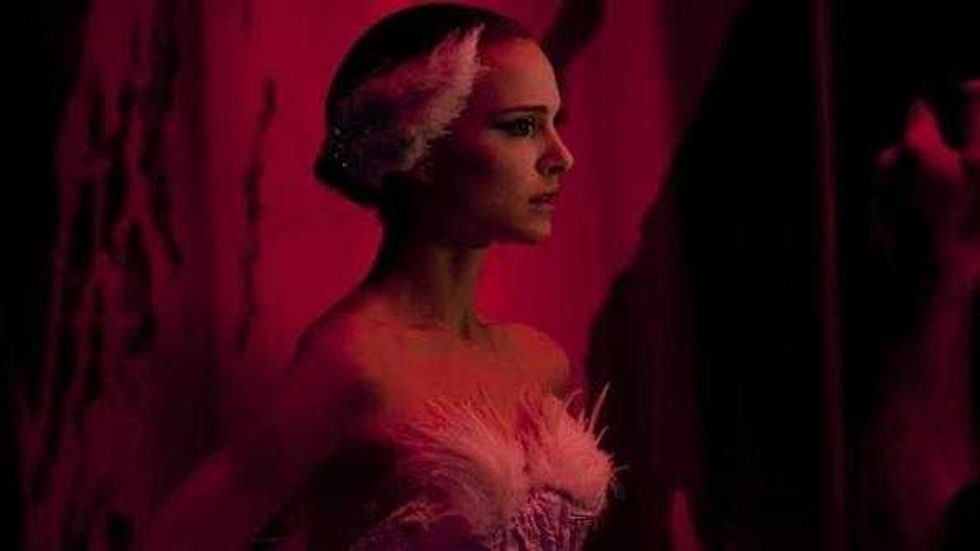 ‘Black Swan’Credit: Searchlight Pictures
Darren Aronofsky’s 2010 masterpiece, Black Swan, utilizes its moments with mirrors in a similar way to the way Spider-Man does. Natalie Portman’s Nina is a hyper-talented ballerina with an unhealthy commitment to giving the perfect performance as the White Swan in her company’s production of Swan Lake.
While rehearsing, she sees herself in the mirror doing the dance out of order from what her actual body is doing; while being fitted in her dressing room, she sees herself itching herself out of some form of withdrawal through the glass, and she even pulls feathers out of her skin that she finds while examining herself in one.
As the film progresses to its violent climax where Nina stabs what she thinks is her performance rival with a shard of dressing room mirror glass, but in reality, she has done it to herself, we are consistently shown mirrors as a vehicle to express said madness in an efficient, albeit terrifying way.
The Final Scene of ‘Raging Bull’
- YouTube www.youtube.com
The second Martin Scorsese film starring Robert DeNiro on this list showcases the actor as boxer Jake LaMotta, who, in the final scene of the film, is shown in his dressing room, having aged rather poorly, hyping himself up in front of a mirror to perform for a cabaret club.
He performs Marlon Brando’s iconic monologue from On the Waterfront, and, in a brilliantly intentional perversion of the original monologue’s intent, LaMotta in this moment reflects on his life with intense regret and grief. While there is likely some similarity to Brando’s character on the past-regret angle, LaMotta likely wishes he could have done things differently, more so to be perceived and revered more lovingly, as opposed to genuinely wishing he lived his life with more honor. It’s a haunting closing moment, and one of the more reflective in Scorsese’s filmography.