5 Classic Film Noir Scripts Every Writer Needs to Study
Read and download these PDFs to learn more about film noir.
'Sunset Boulevard'
I have been working on a new Film Noir spec script, so that means I'm watching a bunch of movies and reading a bunch of scripts to help inspire me.
Film Noir is more than just Venetian blinds and hazy cigarette smoke—it’s tension, subtext, and the inevitable downward spiral of your protagonist.
Whether you're writing a classic period piece or a gritty "Neo-Noir" set in the present, you want to study this stuff to fit in the genre.
Let's dive in.
- YouTubewww.youtube.com
1. Chinatown (1974)
Written by: Robert Towne
This is cited as the "perfect screenplay," and I am not here to argue with anyone about it. Chinatown is the gold standard for structural precision. Robert Towne’s script is a lesson in Plant and Payoff. Every seemingly minor detail serves a massive narrative purpose later and comes back in big ways.
2. Double Indemnity (1944)
Written by: Billy Wilder and Raymond Chandler
If you want to learn how to write dialogue, this is your bible. The collaboration between Wilder and Chandler produced a script where characters spar, and that can get deadly. The dialogue is coded, cynical, and dripping with sexual tension without ever being explicit.
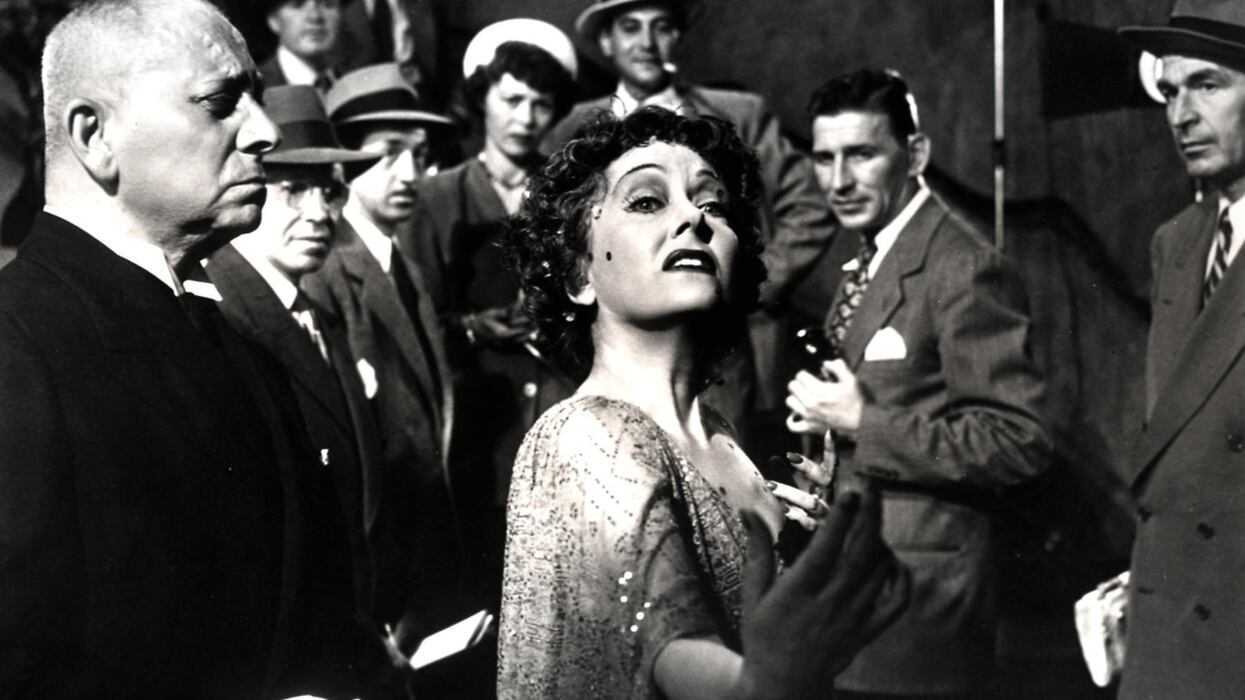
3. Sunset Boulevard (1950)
Written by: Billy Wilder, Charles Brackett, and D.M. Marshman Jr.
Sunset Boulevard changed the game by using a narrator. It’s one of the most effective uses of Voiceover (VO) in cinema history. While many screenwriting gurus tell you to "Show, Don't Tell," this script proves that VO can add a layer of irony and haunting perspective that visuals can;t get you directly.
4. L.A. Confidential (1997)
Written by: Brian Helgeland and Curtis Hanson
Noir is often a "solitary" genre, but L.A. Confidential is a masterclass in the Ensemble Noir. It manages to juggle three distinct protagonists. You have the "thug," the "celebrity cop," and the "straight arrow," and weaves their storylines into a single, cohesive climax.
5. Brick (2005)
Written by: Rian Johnson
Rian Johnson took the hardboiled detective tropes of Dashiell Hammett and dropped them into a modern-day California high school. It shouldn't work, but it does, because the script respects the linguistic rhythm of Noir. The characters speak in a stylized "detective-speak" that creates a unique, insulated worldbuilding.
Honorable Mentions for Your Reading List:
- Memento (Jonathan Nolan): For mastering non-linear storytelling and subjective reality.
- Seven (Andrew Kevin Walker): For creating an oppressive, atmospheric setting that feels like a character itself.
- The Big Sleep (William Faulkner, Leigh Brackett, Jules Furthman): For when you want to see how "vibe" and "character" can sometimes trump a logical plot.
Summing It All Up
These scripts have helped me through my pages and to crack my story. They gave me characters to inspire me and situations that felt dire and exciting.
What’s your favorite Noir script to revisit when you’re stuck?
Drop a comment below and let’s talk shop.