5 Unmissable John Huston Classics You Need to Watch
A deep dive into the master’s most defining works.
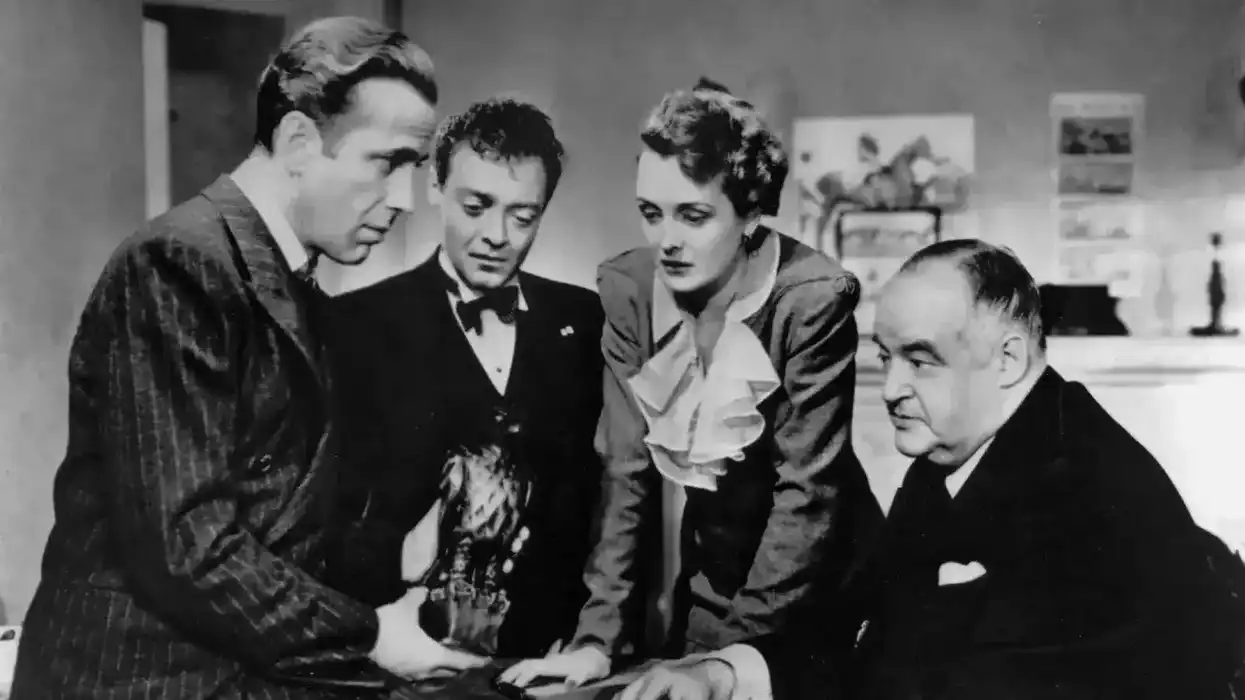
'The Maltese Falcon' (1941)
John Huston is considered a pioneer for his tough, often sharp storytelling involving edgy characters and a brilliant depiction of moral gray areas. For what was definitely not the norm at the time he made these movies, Huston had a penchant for turning difficult fictional situations into unforgettable cinema.
A hallmark of his filmmaking career featured incisive dialogue, atmospheric visuals, and a deep understanding of the human condition. More often than not, his films showcased a fine blend of realism and genre cinema. He frequently explored complex themes such as loyalty, greed, and survival, and ever so often, his principal cast delivered exceptional performances.
John Huston’s movies have an air of timelessness because they address the very core of what drives people to do the things they do. His repeated work with iconic actors further deepened his cinematic voice and created an enduring influence that transcended generations.
Let’s jump right in and explore five of John Huston’s most breathtaking movies.
5 Pathbreaking John Huston Movies
Here are five of John Huston’s finest, most brilliant movies that you need to watch.
1. The Maltese Falcon (1941)
Few filmmaking debuts landed with sheer cinematic precision and bravado like John Huston’s first movie, The Maltese Falcon. Starring Humphrey Bogart as the no-nonsense private detective Sam Spade, the movie gradually draws the audience into a web of deception and mystery. The movie’s tight pacing, effortless, witty dialogue, and shadowy visuals do a phenomenal job of setting a quietly thrilling tone. Bogart is exceptional, as one would expect. Mary Astor and Peter Lorre bring memorable supporting characters to life in what is one of the finest directorial debuts of all time. The film’s cynical tone and moral ambiguity weren’t just groundbreaking then; they feel refreshingly bold even today.
2. The Treasure Of The Sierra Madre (1948)
At first glance, this is perhaps John Huston’s most curiosity-arousing movie title, and the film elevates its inherent neo-Western ideas into a terrific and gripping film. Humphrey Bogart returns, this time as Fred C. Dobbs, a down-on-his-luck man who teams up with a young partner and the vastly experienced Walter Huston to hunt for gold in the Mexican mountains. What makes this movie fascinating is how it observes interpersonal relationships and the quiet rise of uncertainty. As suspicions grow among the three men, their relationships take an obvious turn. The film brilliantly explores what happens when human relationships are stress-tested in the harshest conditions. How do people deal with suspicions under pressure? What does that bring out in them? Huston’s movie asks and answers many such questions.
3. The Man Who Would Be King (1975)
Sean Connery and Michael Caine play two former soldiers chasing power in this sweeping John Huston adventure. The film brilliantly mixes grand scale with intimate character moments as their bold plans unravel. Huston’s epic energy is evident through every frame, and both Connery and Caine are incredible in the film. The film’s focus does not falter. It sets its eyes on friendship, ambition, and hubris against a larger backdrop. One of the film’s most towering achievements is its balance of spectacle and intimate, human moments. A talent that Huston showed so effortlessly through his films.
4. The African Queen (1951)
Set during World War I, The African Queen stars Humphrey Bogart and Katharine Hepburn as they navigate an unlikely romance during a difficult period. Bogart plays a rough riverboat Captain Charlie Allnut, and Hepburn plays Rose Sayer, a prim missionary. Huston leverages the harshness of the film’s natural setting to elevate its core emotional tension. Bogart and Hepburn’s onscreen chemistry is undeniably charming, and Huston’s decision to blend high-stakes action and tender character growth makes this yet another spectacular movie in his filmography. His primary characters sparkle with a seemingly natural connection, humor, and heart, and give the film its unmissable charm.
5. The Asphalt Jungle (1950)
This influential heist movie centers on a jewel robbery in a corrupt city, featuring Sterling Hayden as the tough ex-con Dix Handley and strong support from Louis Calhern and others. The meticulously planned heist begins to unravel due to betrayal and human error. In classic Huston style, the movie focuses less on the actual heist and more on the people behind it. It is decisions like this that separate the director’s crime films from other crime movies of the era. His deep interest in the human condition is evident through movies such as this. The film’s realism and structure influenced many heist movies, and the idea of using an ensemble cast for a “heist movie that is not really about the heist” is masterfully leveraged in many modern films, such as Quentin Tarantino’s Reservoir Dogs.
Summing It Up
These five films capture John Huston at his boldest, most pathbreaking best. While each movie remains interested in setting up thrilling backdrops, Huston never steers away from exploring human relationships. His noir precision remained intact even when he chose to conduct deeper character observations and the weight of their actions. Many of John Huston’s movies have extremely high rewatch value and, to this day, endure because they embrace complexity and the intricacies that make every human being different.
Which is your favorite noir film of all time? Tell us in the comments below.